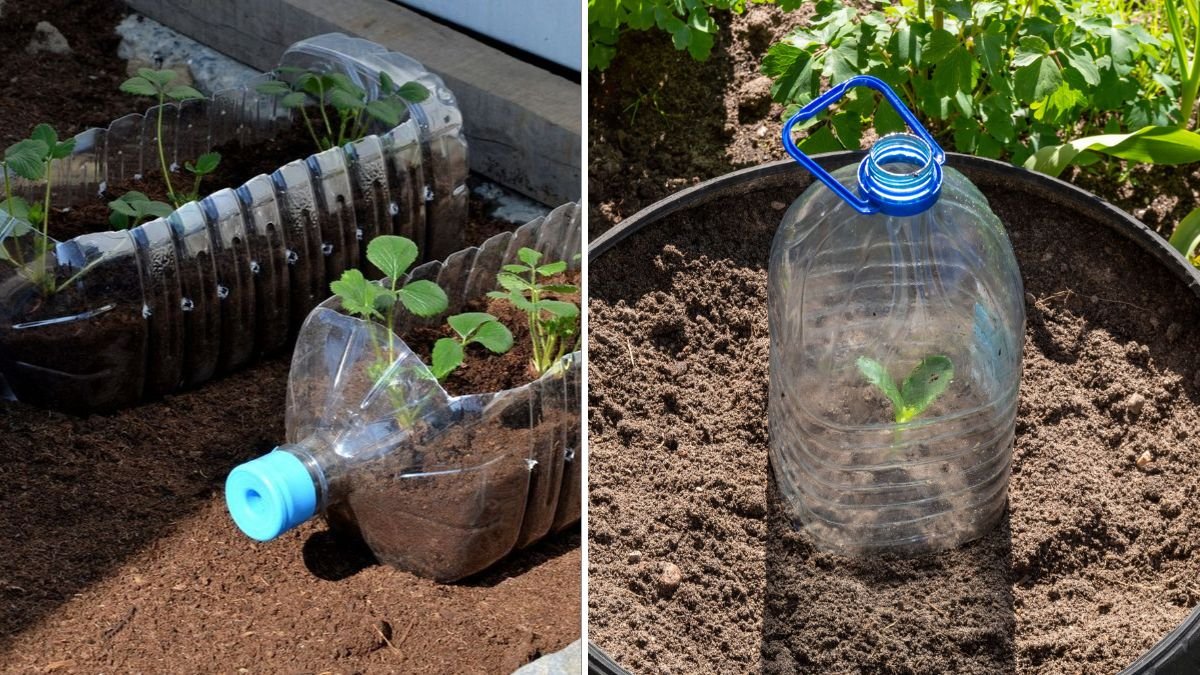
Watering is one of the most important aspects of successful gardening, yet it is often done inefficiently. Overwatering wastes water, while underwatering stresses plants and reduces growth. A garden dripper solves this problem by delivering water slowly and directly to plant roots. This method conserves water and ensures consistent moisture. Garden drippers are especially useful during hot weather and for busy gardeners. They help maintain soil moisture without daily effort. Even small gardens benefit from drip watering systems. Homemade drippers are affordable and easy to build. Anyone can create one using basic materials. This guide explains how to make and use garden drippers effectively.
1. Understanding How Drippers Work
A garden dripper works by releasing water slowly over time. Instead of flooding the soil, it allows gradual absorption. This prevents runoff and deep water loss. Roots grow deeper because moisture is available consistently. Drippers reduce evaporation compared to surface watering. They work well for vegetables, flowers, and fruit plants. Water reaches the root zone directly. This method mimics natural rainfall. Plants grow healthier and stronger. Understanding the principle helps improve efficiency.
2. Benefits of Using a Garden Dripper
Drippers save a significant amount of water. They reduce weed growth by watering only target plants. Soil erosion is minimized. Fungal diseases decrease because leaves stay dry. Drippers support uniform plant growth. They are ideal for container and ground gardens. Time spent watering is reduced greatly. Plants experience less stress. Drip irrigation is eco-friendly. These benefits make drippers essential.
3. Types of Homemade Garden Drippers
There are several simple dripper designs. Bottle drippers are the most common. Clay pot drippers release water naturally. Hose-based drippers suit larger gardens. Wick drippers use cloth to transfer water. Each type serves different needs. Bottle drippers work well for small spaces. Clay drippers suit long-term watering. Choosing the right type depends on garden size. Homemade systems are flexible and adaptable.

4. Materials Needed to Make a Bottle Dripper
Plastic bottles of one to five liters work best. A sharp pin or nail is needed for holes. A knife helps with cutting. String or wire may be used for hanging. Clean water ensures no blockage. Recycled bottles reduce waste. Optional items include filters or cloth. Simple tools are sufficient. Preparation makes construction easier. Materials are easily available at home.
5. Step-by-Step Guide to Making a Bottle Dripper
Start by cleaning the bottle thoroughly. Make small holes near the bottom. Fill the bottle with water. Close the cap loosely to control flow. Bury the bottle near plant roots or place upside down. Adjust hole size for drip speed. Ensure water drips slowly. Test before leaving unattended. Small adjustments improve accuracy. This simple setup works effectively.
6. Making a Hanging Dripper System
Hanging drippers are ideal for pots and grow bags. Use a bottle with a small hole in the cap. Hang it above the plant using wire or string. Gravity controls water flow. Adjust height for drip speed. Hanging drippers save floor space. They work well for balconies. Ensure stability to prevent spills. Regular checks ensure proper function.
7. Using Clay Pot Drippers Naturally
Clay pots slowly release water through porous walls. Bury the pot near plant roots. Fill with water and cover the top. Water seeps gradually into soil. This method is ancient and reliable. Clay drippers work well in hot climates. They require minimal maintenance. Water distribution is even. Roots grow toward moisture naturally.

8. Best Plants for Dripper Irrigation
Vegetables benefit greatly from drippers. Tomatoes, cucumbers, and peppers thrive. Leafy greens enjoy consistent moisture. Fruit plants grow healthier. Flowering plants bloom better. Drippers are ideal for herbs. Avoid plants that prefer dry soil. Match plants with watering needs. Targeted watering improves growth.
9. Adjusting Water Flow Correctly
Drip speed should be slow and steady. Too fast causes waterlogging. Too slow dries soil. Adjust hole size carefully. Check soil moisture regularly. Different plants need different flow rates. Seasonal changes affect needs. Testing improves efficiency. Proper adjustment ensures success.
10. Placement of Drippers in the Garden
Place drippers near the root zone. Avoid placing too far from plants. Multiple drippers may be needed for large plants. Spacing affects moisture coverage. Consistent placement improves absorption. Avoid surface placement only. Correct positioning maximizes benefit. Roots grow toward water sources.
11. Using Drippers for Container Gardening

Container plants dry quickly. Drippers maintain moisture consistently. Bottle drippers work well in pots. Hanging drippers save space. Reduce watering frequency. Container plants grow healthier. Ideal for balconies and terraces. Controlled watering prevents root rot.

12. Drippers for Vacation Watering
Drippers are perfect when traveling. Large bottles provide days of water. Flow control prevents overflow. Plants stay hydrated. Stress-free gardening during absence. Drippers provide peace of mind. Test system before leaving. Reliable watering supports plant survival.
13. Maintenance of Garden Drippers
Check holes for blockage regularly. Clean bottles occasionally. Replace damaged bottles. Ensure steady flow. Maintenance prevents failure. Simple care extends lifespan. Regular checks ensure reliability.
14. Common Mistakes to Avoid
Making holes too large causes flooding. Using dirty water blocks holes. Placing drippers incorrectly wastes water. Ignoring soil type reduces efficiency. Learning prevents mistakes. Attention improves results.
15. Saving Water with Drippers
Drippers reduce water waste significantly. Water goes directly to roots. Evaporation is minimized. Efficient use conserves resources. Ideal for water-scarce areas. Sustainable gardening benefits everyone.

16. Seasonal Use of Drippers
Summer requires more frequent refills. Winter needs less water. Adjust flow seasonally. Monitor plant needs. Flexibility ensures plant health.
17. Eco-Friendly Gardening with Drippers
Reusing bottles reduces plastic waste. Water conservation protects environment. Organic gardening pairs well with drippers. Small efforts create big impact.
18. Scaling Up for Larger Gardens
Multiple drippers can be connected. Hose-based systems work well. DIY systems are expandable. Planning supports growth.
19. Cost Comparison with Commercial Systems
Homemade drippers cost almost nothing. Commercial systems are expensive. DIY systems offer similar benefits. Budget-friendly gardening is possible.

20. Final Thoughts on Garden Drippers
Garden drippers make watering easy and efficient. They support healthy plants. Simple tools create powerful systems. Anyone can build them. Drippers save time, water, and effort. Start using one today.
Table: Garden Dripper Overview
| Aspect | Description | Benefit |
|---|---|---|
| Material | Plastic bottle | Low cost |
| Water Flow | Slow drip | Root hydration |
| Placement | Near roots | Efficiency |
| Maintenance | Minimal | Long use |
| Use | Pots and soil | Versatility |