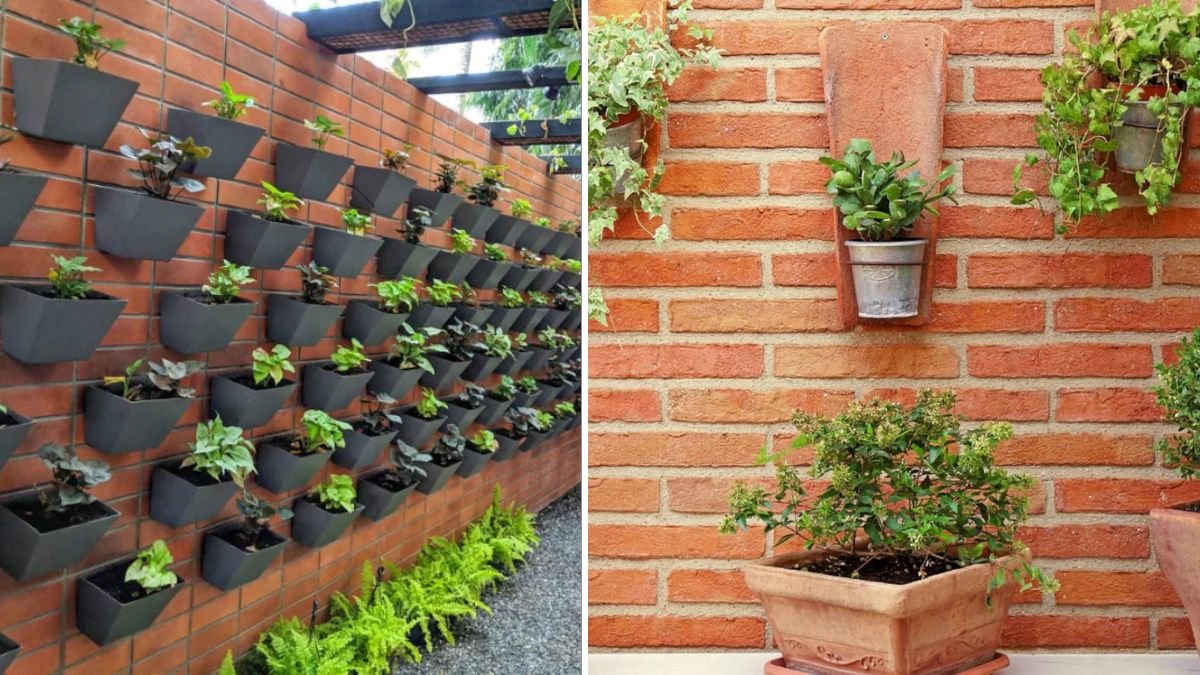
Modern lifestyles leave little room for traditional gardening. Urban homes, apartments, and rented spaces require innovative solutions. Creative growing methods help people grow food anywhere. They reduce dependency on large outdoor spaces. These techniques use vertical space efficiently. Gardening becomes accessible to beginners. Sustainable practices reduce waste and save money. Homegrown plants improve food quality. Creativity transforms unused spaces into green zones. This article explains three powerful growing methods anyone can use.
1. Vertical Bottle Gardening Explained
Vertical bottle gardening uses recycled plastic bottles. Bottles are cut, filled with soil, and hung vertically. This method saves horizontal space completely. Sunlight exposure becomes more efficient. Ideal for herbs and leafy greens. Bottles retain moisture longer. Easy maintenance suits busy lifestyles. Roots grow freely without crowding. This method is eco-friendly and low cost. Vertical gardening maximizes productivity in small areas.
2. Best Plants for Bottle Gardening
Leafy greens thrive in bottles. Lettuce, spinach, and coriander grow fast. Strawberries also perform well vertically. Small root vegetables can adapt. Herbs like basil and mint flourish. Compact plants show best results. Avoid deep-rooted vegetables. Proper plant selection improves yield. Lightweight soil benefits root growth. Correct choice ensures success.
3. Hanging Basket Gardening
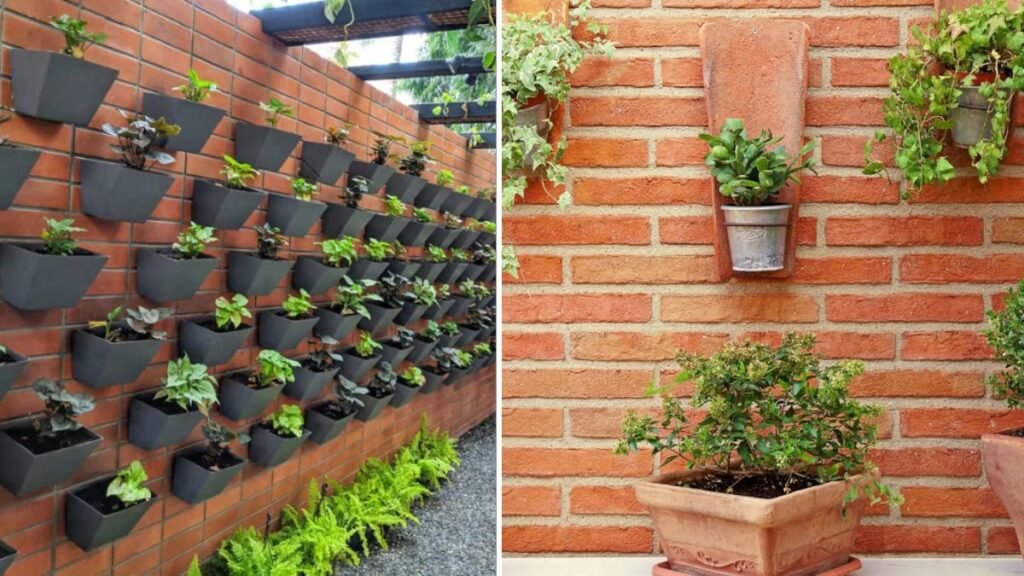
Hanging baskets transform balconies and patios. Plants grow above ground, avoiding pests. This method improves air circulation. Water drains efficiently. Strawberries and tomatoes grow well. Decorative and productive at once. Hanging systems are easy to install. Ideal for rental homes. Visual appeal increases home beauty. Hanging baskets blend gardening with decor.

4. Soil Preparation for Hanging Systems
Loose soil is essential. Compost improves fertility. Coco peat retains moisture. Avoid heavy garden soil. Drainage holes prevent waterlogging. Nutrient-rich soil boosts growth. Balanced soil supports root health. Fresh soil reduces disease risk. Lightweight mix protects roots. Soil quality defines success.
5. Window Box Gardening
Window boxes are perfect for apartments. They capture sunlight efficiently. Easy access makes maintenance simple. Herbs and flowers thrive here. Boxes fit narrow spaces. Ideal for small vegetables. Watering is convenient. Adds greenery to homes. Improves indoor air quality. Window gardening is beginner-friendly.
6. Light Requirements for Creative Gardens
Sunlight drives plant growth. Six hours is ideal. Morning sunlight is best. Rotate containers if needed. Artificial grow lights help indoors. Insufficient light reduces yield. Observe sun movement daily. Balanced exposure improves plant strength. Light placement is critical. Proper lighting ensures success.
7. Watering Smartly in Small Spaces
Overwatering is common in containers. Water only when soil dries. Morning watering reduces evaporation. Drainage holes are essential. Bottles retain moisture longer. Avoid wet leaves at night. Consistent moisture prevents stress. Balanced watering improves taste. Smart watering saves resources. Control ensures healthy plants.

8. Fertilizing Creative Gardens
Containers need regular feeding. Compost tea works best. Liquid fertilizers absorb quickly. Avoid overfeeding plants. Balanced nutrients improve yield. Organic feeding improves soil life. Feed every 10–14 days. Observe plant response. Healthy plants grow steadily. Fertilization boosts productivity.
9. Pest Control in Small Gardens
Pests appear even indoors. Aphids and mites are common. Neem oil controls naturally. Hand removal works early. Clean surroundings reduce pests. Healthy plants resist insects. Avoid chemical sprays. Regular inspection prevents damage. Prevention is key. Natural methods protect harvest.
10. Vertical Support Techniques
Climbing plants need support. Use strings or nets. Bamboo sticks work well. Supports prevent stem breakage. Improve airflow around leaves. Fruits hang cleanly. Supports increase yield. Install early for best results. Vertical growth saves space. Support systems improve plant health.
11. Harvesting from Creative Gardens
Harvest regularly to encourage growth. Pick early for best flavor. Avoid pulling plants harshly. Morning harvest is ideal. Clean tools prevent damage. Frequent harvesting boosts yield. Gentle handling preserves plants. Timing affects taste. Harvest smartly. Proper technique increases production.

12. Common Mistakes to Avoid
Overcrowding limits airflow. Poor drainage causes root rot. Insufficient sunlight reduces flowering. Overwatering kills roots. Skipping fertilization weakens plants. Ignoring pests spreads damage. Learn from early signs. Adjust methods quickly. Small changes matter. Awareness improves results.
13. Cost Efficiency of Creative Growing
Recycled materials reduce costs. Bottles and baskets are reusable. Soil and seeds are affordable. Low water usage saves money. High yield per square foot. Minimal tools required. Great for beginners. Budget-friendly gardening. Sustainable and economical. High return on small investment.
14. Environmental Benefits
Reduces plastic waste. Lowers carbon footprint. Promotes home food production. Saves transportation emissions. Encourages recycling habits. Improves urban greenery. Conserves water resources. Eco-friendly lifestyle choice. Sustainable gardening matters. Small actions create impact.
15. Seasonal Adjustments
Summer requires frequent watering. Winter needs protection. Move containers indoors if needed. Shade plants during heatwaves. Adjust fertilization seasonally. Monitor temperature changes. Seasonal care ensures survival. Adapt methods accordingly. Flexibility improves yield. Planning ensures continuity.

16. Best Vegetables for Beginners
Tomatoes grow easily. Lettuce grows fast. Spinach requires minimal care. Radishes mature quickly. Herbs are low maintenance. Strawberries adapt well. Beginners should start small. Easy success builds confidence. Simple plants encourage learning. Choose wisely.
17. Creative Gardening for Families
Great learning activity for kids. Encourages healthy eating habits. Teaches responsibility. Builds environmental awareness. Fun and interactive. Family bonding opportunity. Easy projects excite children. Safe and educational. Gardening becomes lifestyle. Families benefit greatly.
18. Maximizing Yield in Small Areas
Use vertical space wisely. Choose compact plants. Harvest regularly. Feed consistently. Provide adequate sunlight. Rotate containers. Control pests early. Use quality soil. Efficiency improves harvest. Smart planning matters.
19. Why Creative Growing Is the Future
Urbanization limits garden space. Food prices increase. Sustainability becomes essential. Creative gardening solves space issues. Anyone can grow food. Encourages self-reliance. Improves food quality. Supports eco-living. Gardening evolves with cities. Innovation drives the future.

20. Conclusion: Start Growing Creatively Today
Creative gardening removes barriers. Space limitations no longer matter. Simple tools deliver big results. Anyone can grow fresh food. Sustainable methods protect the environment. Small spaces become productive farms. Start with one method. Expand gradually. Enjoy homegrown produce. Creativity turns homes green.
Table: Creative Growing Methods Summary
| Method | Best Plants | Key Benefit |
|---|---|---|
| Bottle Gardening | Greens, herbs | Space saving |
| Hanging Baskets | Strawberries, tomatoes | Pest reduction |
| Window Boxes | Herbs, lettuce | Easy access |