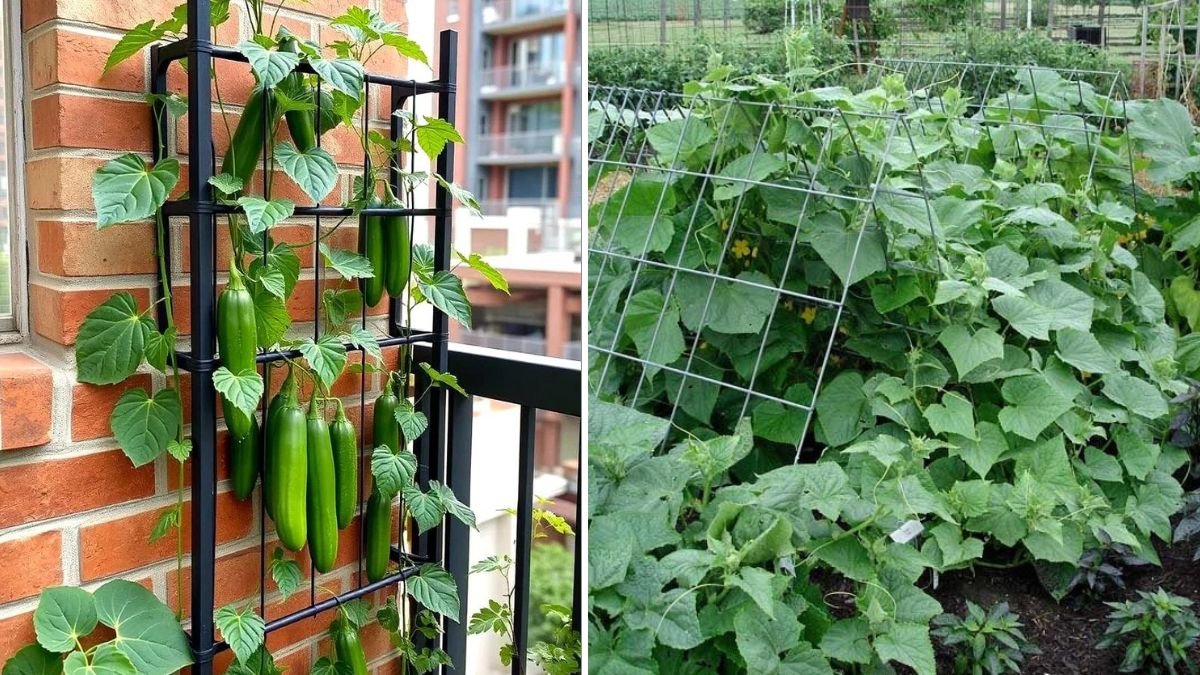
Growing cucumbers at home is one of the most rewarding gardening experiences. Cucumbers grow quickly, produce heavily, and adapt well to containers or small spaces. Home-grown cucumbers taste fresher and contain fewer chemicals than store-bought ones. Even beginners can succeed with basic care and planning. Cucumbers thrive in warm climates and grow well on balconies, terraces, and backyards. They require simple materials and minimal investment. With proper sunlight and watering, plants produce continuously. This guide explains every step clearly. Following these tips ensures healthy vines and high yields.
2. Why Cucumbers Are Perfect for Home Gardens
Cucumbers are fast-growing vegetables with high productivity. They do not require deep soil like root crops. Their climbing nature allows vertical gardening, saving space. Home gardeners enjoy quicker harvests compared to many vegetables. Cucumbers respond well to organic fertilizers. They are suitable for pots, grow bags, tubs, or ground soil. Pest control is easier at home. Fresh cucumbers improve diet and hydration. Home gardening also reduces grocery costs. These qualities make cucumbers ideal for beginners.
3. Choosing the Right Cucumber Variety
Selecting the correct variety determines success. Bush cucumbers suit small spaces and containers. Climbing varieties work best with trellises. Hybrid seeds offer disease resistance and uniform fruits. Local climate-adapted varieties grow more reliably. Early-maturing types give faster harvests. Salad and slicing cucumbers are best for home use. Avoid large commercial varieties in small pots. Quality seeds ensure strong seedlings. Choosing wisely improves yield and taste.
4. Best Containers or Garden Space
Cucumbers need room for roots to spread. Containers should be at least 15–18 inches deep. Plastic tubs, grow bags, or buckets work well. Drainage holes are essential to prevent root rot. Raised beds also perform well. Vertical gardening maximizes limited space. Containers should be lightweight and movable. Place them where sunlight is abundant. Clean containers prevent disease. Proper space selection supports healthy growth.

5. Preparing Ideal Soil
Cucumbers prefer loose, fertile soil. Mix garden soil, compost, and cocopeat equally. Vermicompost improves nutrient availability. Sand enhances drainage. Avoid compact or clay-heavy soil. Soil must retain moisture but not stay soggy. Healthy soil promotes strong roots. Proper soil structure improves flowering. Nutrient-rich soil increases fruit size. Good preparation reduces plant stress.
6. Sowing Seeds or Transplanting Seedlings
Seeds can be sown directly into containers. Plant seeds about one inch deep. Transplant seedlings gently to avoid root damage. Space plants properly for airflow. Water immediately after planting. Avoid planting during extreme heat. Seedlings need partial shade initially. Gradually expose plants to sunlight. Strong early care boosts growth. Correct planting ensures quick establishment.
7. Sunlight Requirements
Cucumbers need six to eight hours of sunlight daily. Morning sunlight is especially beneficial. Insufficient light reduces flowering. Place containers in open areas. Rotate pots for even exposure. Avoid shaded corners. Sunlight strengthens stems and leaves. Bright light improves fruit sweetness. Consistent exposure ensures steady production. Proper sunlight management is essential.
8. Watering Techniques
Cucumbers require consistent watering. Containers dry out quickly, especially in summer. Water deeply in the morning. Avoid waterlogging. Mulching helps retain moisture. Irregular watering causes bitter fruits. Proper drainage prevents fungal diseases. Balanced moisture supports healthy vines. During hot days, daily watering may be required. Good watering habits increase yield.

9. Feeding and Fertilization
Cucumbers are heavy feeders. Use organic compost every two weeks. Banana peel water supplies potassium. Avoid excess nitrogen, which promotes leaves over fruits. Liquid compost improves absorption. Organic feeding strengthens plants naturally. Regular feeding increases flowering. Nutrient balance improves fruit quality. Healthy plants resist pests better. Fertilization directly impacts harvest quantity.
10. Supporting Cucumber Vines
Most cucumber plants benefit from support. Use bamboo sticks, trellises, or netting. Vertical growth saves space. Supported vines get better airflow. Fruits grow straighter and cleaner. Tie vines gently to avoid damage. Support reduces disease risk. Upright plants receive more sunlight. Harvesting becomes easier. Proper support improves yield.
11. Pollination Tips
Cucumbers require pollination for fruiting. Bees help naturally, but hand pollination boosts yield. Use a soft brush or cotton swab. Pollinate in the morning. Proper pollination prevents misshaped fruits. Regular pollination increases fruit count. Balcony gardens benefit most from hand pollination. This simple step improves productivity. Healthy flowers result in better cucumbers. Pollination is key to success.
12. Pest and Disease Control
Common pests include aphids and mites. Neem oil works effectively. Remove damaged leaves promptly. Good airflow prevents fungal diseases. Avoid overcrowding plants. Healthy soil improves resistance. Regular inspection helps early detection. Organic methods keep produce safe. Prevention is easier than treatment. Clean gardening practices ensure healthy plants.

13. Pruning for Better Yield
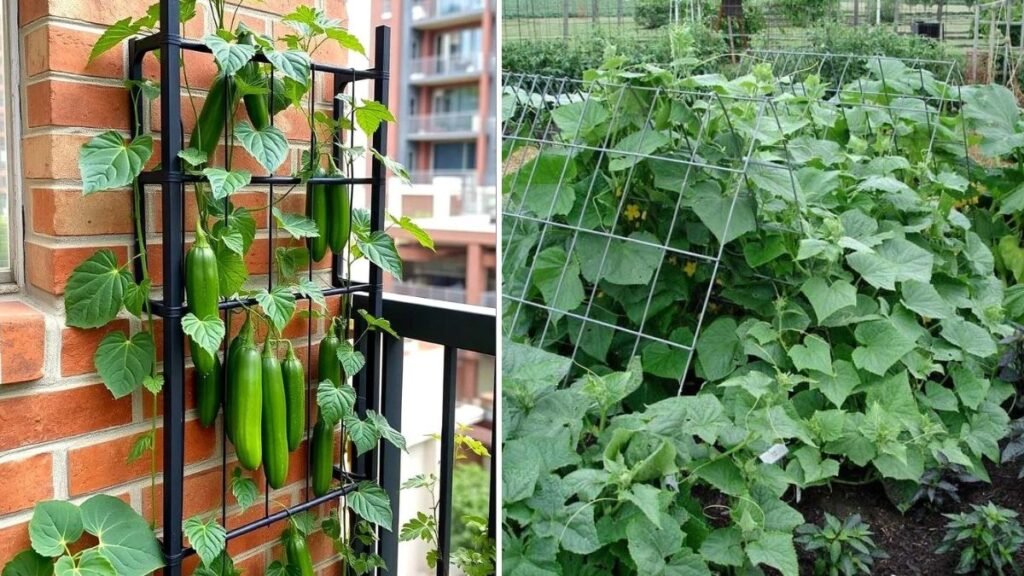
Pruning helps redirect energy to fruits. Remove yellow or damaged leaves. Trim excess side shoots. Avoid over-pruning. Controlled growth improves airflow. Pruned plants flower more. Better sunlight penetration improves health. Pruning also reduces disease risk. Balanced pruning improves productivity. Healthy vines yield better cucumbers.
14. Mulching Benefits
Mulch conserves soil moisture. It reduces weed growth. Organic mulch improves soil over time. Straw or dried leaves work well. Mulch regulates soil temperature. It protects roots from heat. Fruits stay cleaner. Less watering is needed. Mulching supports healthy growth. Proper mulching boosts yield.
15. Harvesting Cucumbers
Harvest cucumbers when firm and green. Overripe fruits become bitter. Use scissors to cut stems. Harvest regularly to encourage flowering. Morning harvest keeps fruits fresh. Avoid pulling fruits directly. Frequent harvesting increases total yield. Timely harvest improves taste. Proper technique prevents plant damage. Harvesting is crucial for productivity.
16. Storage and Use
Fresh cucumbers store best in cool conditions. Avoid washing before storage. Use within a few days for best taste. Home-grown cucumbers are ideal for salads. Excess harvest can be pickled. Proper storage reduces waste. Fresh use preserves nutrients. Healthy harvest supports balanced diet. Home gardening ensures quality produce. Storage knowledge maximizes benefits.

17. Common Mistakes to Avoid
Overwatering is a common error. Poor drainage causes root rot. Insufficient sunlight reduces yield. Skipping fertilization weakens plants. Ignoring pests leads to damage. Overcrowding reduces airflow. Late harvesting affects taste. Wrong variety selection limits success. Avoid these mistakes for better results. Awareness ensures healthy cucumbers.
18. Seasonal Growing Tips
Cucumbers grow best in warm seasons. Protect plants from cold winds. Provide shade during extreme heat. Adjust watering according to weather. Seasonal care improves performance. Monitor soil moisture regularly. Seasonal pests vary. Timely care ensures steady growth. Climate awareness boosts productivity. Adaptation ensures success.
19. Table: Home Cucumber Growing Guide
| Growing Factor | Recommended Practice |
|---|---|
| Container depth | 15–18 inches |
| Soil mix | Soil, compost, cocopeat |
| Sunlight | 6–8 hours daily |
| Watering | Regular, deep |
| Support | Trellis or bamboo |
20. Why These Tips Work
These tips focus on balance and consistency. Healthy soil supports roots. Proper light fuels growth. Regular feeding maintains energy. Good airflow prevents disease. Timely harvest boosts production. Organic methods keep plants safe. Home gardeners gain full control. Results are predictable and reliable. Following these steps ensures abundant cucumbers.