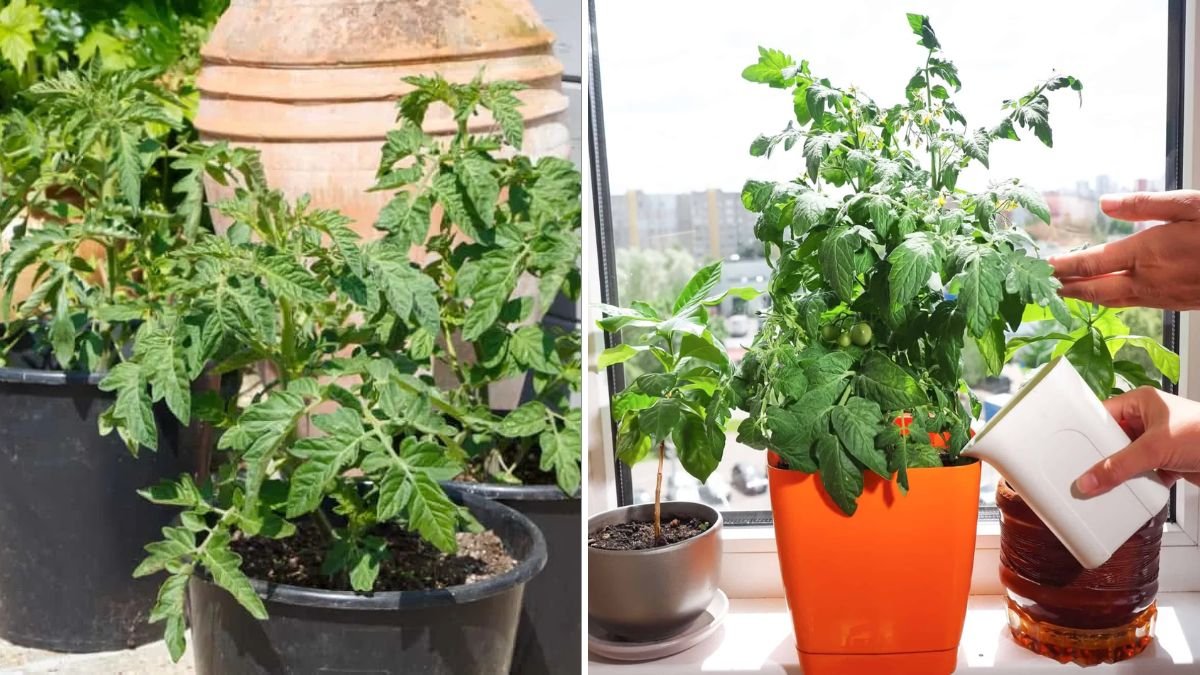
Growing tomatoes in pots is ideal for modern gardeners. Limited space no longer limits harvest. Containers offer better soil control. Tomatoes thrive when roots are well managed. Potted plants face fewer soil diseases. Homegrown tomatoes taste fresher and sweeter. Balcony and terrace gardening is booming. With simple tricks, yields can be surprising. Even beginners can succeed easily. This guide reveals proven methods.
1. Choosing the Best Tomato Varieties for Pots
Select dwarf or determinate varieties. Cherry tomatoes perform exceptionally well. Patio hybrids are compact and productive. Avoid large indeterminate varieties in small pots. Disease resistance is important. Choose varieties suited to your climate. Strong genetics improve yield. Proper selection reduces maintenance. Compact plants fit containers well. Variety choice determines success.
2. Selecting the Right Pot Size
Use pots at least 12–15 inches deep. Larger pots hold moisture better. Ensure drainage holes exist. Avoid shallow containers. Grow bags work well. Bigger pots support stronger roots. Root space equals fruit size. Stable pots prevent tipping. Size matters for productivity. Never underestimate container depth.
3. Preparing the Perfect Potting Mix
Mix garden soil, compost, and coco peat. Avoid heavy soil alone. Loose mix allows root expansion. Compost provides nutrients. Coco peat improves moisture retention. Balanced soil supports flowering. Fresh mix prevents disease. Healthy soil boosts yield. Quality mix ensures success. Soil preparation is essential.

4. Planting Tomatoes Correctly in Pots
Plant seedlings deep for strong roots. Remove lower leaves before planting. Firm soil gently. Water immediately after planting. Avoid planting during peak heat. Morning planting reduces stress. Proper depth encourages stability. Healthy planting prevents shock. Good starts lead to good harvests. Technique matters.
5. Sunlight Requirements for Pot Tomatoes
Tomatoes need 6–8 hours of sun. Morning sun is best. Rotate pots weekly. Avoid excessive afternoon heat. Insufficient sun reduces fruiting. Balanced light improves sweetness. Observe sun patterns carefully. Placement affects yield. Light is a major factor. Optimize exposure.
6. Watering Tricks for Juicy Tomatoes
Water deeply, not frequently. Let topsoil dry slightly. Avoid water stress. Inconsistent watering causes cracking. Mulch reduces evaporation. Morning watering is ideal. Avoid wet leaves. Container tomatoes need monitoring. Balanced moisture improves flavor. Watering strategy is key.
7. Feeding Tomatoes in Pots
Container plants need regular feeding. Use organic liquid fertilizer. Feed every 10–14 days. Increase potassium during flowering. Avoid excess nitrogen. Compost tea works well. Observe plant response. Balanced feeding boosts fruit size. Nutrition drives productivity. Feed wisely.

8. Supporting Tomato Plants in Pots
Use stakes or cages early. Prevent stem bending. Support heavy fruit clusters. Tie gently with soft material. Proper support improves airflow. Makes harvesting easier. Reduces disease risk. Stable plants yield better. Support systems are essential. Do not delay installation.
9. Pruning for Better Yield
Remove lower yellow leaves. Pinch excess suckers carefully. Improve airflow and light. Avoid over-pruning. Focus energy on fruit. Clean tools prevent disease. Controlled growth improves yield. Pruning strengthens plants. Balance is important. Smart pruning pays off.
10. Pollination Assistance
Shake plants gently during flowering. Encourages pollen movement. Outdoor plants benefit from bees. Indoor plants may need help. Healthy flowers set better fruit. Stress reduces pollination. Monitor blooms daily. Pollination affects shape and size. Simple actions improve results. Attention matters.
11. Pest Control in Container Tomatoes
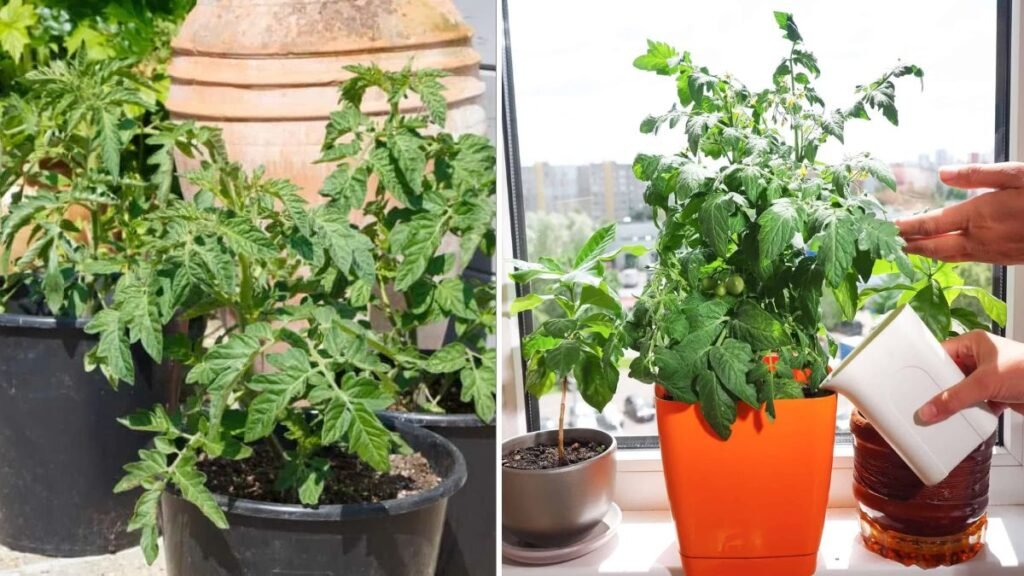
Inspect leaves regularly. Watch for aphids and mites. Use neem oil if needed. Remove affected leaves early. Healthy plants resist pests. Avoid overcrowding pots. Clean surroundings reduce insects. Prevention is best. Organic methods are safe. Stay alert.

12. Disease Prevention Techniques
Avoid wet foliage. Ensure good airflow. Use fresh soil yearly. Remove diseased leaves immediately. Clean tools and pots. Healthy soil reduces problems. Early detection saves plants. Disease control protects yield. Prevention is easier than cure. Care consistently.
13. Flowering and Fruit Growth Stage
Provide consistent water and nutrients. Avoid stress during flowering. Potassium boosts fruit development. Support branches as fruits grow. Healthy plants produce uniform tomatoes. Monitor daily for changes. Flower care determines harvest. Stability ensures success. Growth stage is critical. Manage carefully.
14. Harvesting for Maximum Flavor
Pick tomatoes fully ripe. Harvest regularly. Use scissors to avoid damage. Morning harvest tastes best. Frequent picking encourages new fruits. Handle gently. Do not overripe on plant. Harvest timing affects sweetness. Proper harvesting boosts yield. Enjoy fresh flavor.
15. Increasing Yield in Small Spaces
Use vertical supports. Choose compact varieties. Feed consistently. Rotate pots for sunlight. Prune wisely. Manage water carefully. Healthy plants yield more. Small spaces can be productive. Technique beats size. Smart gardening wins.

16. Common Pot Gardening Mistakes
Using small pots limits growth. Overwatering causes root rot. Ignoring sunlight reduces yield. Skipping feeding weakens plants. Over-pruning harms production. Neglecting pests reduces harvest. Learn from mistakes. Awareness improves success. Simple corrections help. Experience builds skill.
17. Cost Benefits of Pot Tomatoes
Reusable pots save money. Less water waste. Lower fertilizer use. Reduced grocery costs. High return on small investment. Suitable for renters. Fresh food at home. Budget-friendly gardening. Efficient and productive. Worth the effort.
18. Sustainability Advantages
Reduces food miles. Encourages organic practices. Saves resources. Supports urban greenery. Reuses containers. Promotes self-sufficiency. Environmentally friendly approach. Small actions matter. Sustainable living starts at home. Grow responsibly.
19. Why Pot-Grown Tomatoes Taste Better
Controlled nutrition improves flavor. Stress-free plants produce sweeter fruit. Fresh harvest beats store produce. No chemical residues. Proper watering enhances juiciness. Balanced care boosts quality. Homegrown taste is unmatched. Flavor reflects care. Quality over quantity. Taste the difference.

20. Conclusion: Big Harvests from Small Pots
Growing tomatoes in pots is rewarding. Simple tricks deliver surprising yields. Proper pots, soil, and care matter. Anyone can succeed with consistency. Ideal for urban lifestyles. Fresh, juicy tomatoes are achievable. Gardening builds confidence and health. Start small, grow big. Pots can outperform gardens. Begin your tomato journey today.
Table: Pot Tomato Success Checklist
| Factor | Requirement | Benefit |
|---|---|---|
| Pot size | 12–15 inches deep | Strong roots |
| Soil | Compost-rich mix | High yield |
| Sunlight | 6–8 hours | Sweet fruits |
| Water | Deep and consistent | Juiciness |
| Support | Stakes or cages | Healthy growth |