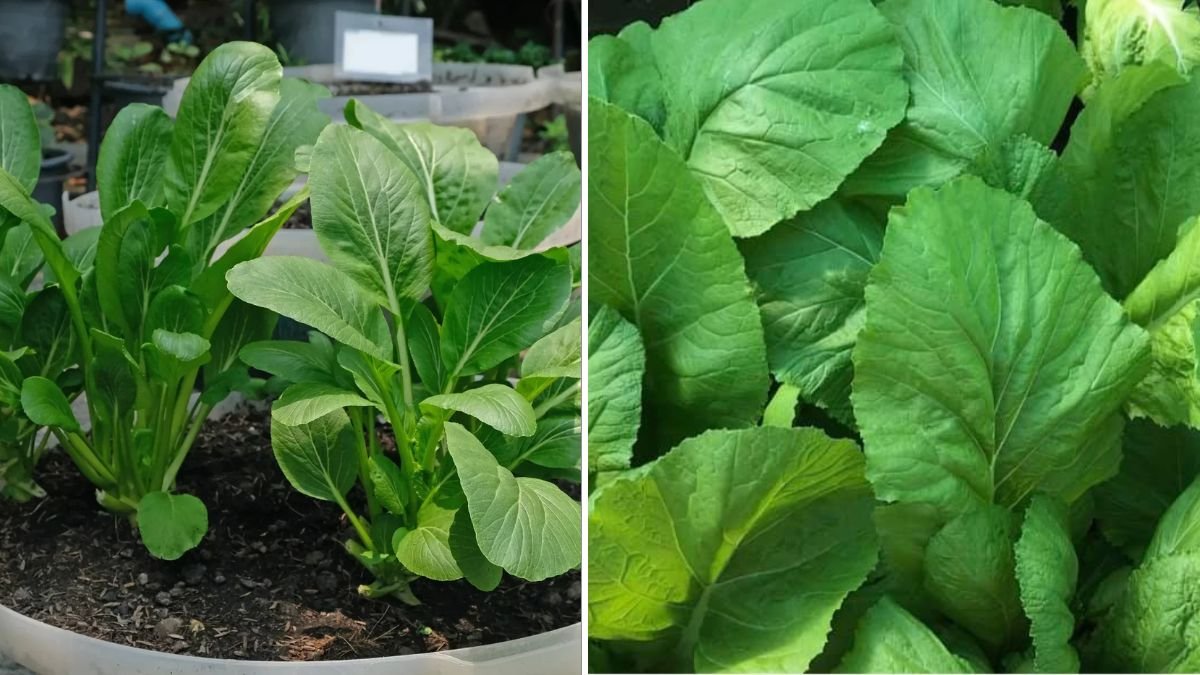
Mustard greens, with their peppery flavor and vibrant green leaves, are a popular choice for both home gardeners and chefs alike. They are not only easy to grow but also nutritious and versatile in the kitchen. If you’re limited on space or want to enjoy gardening on your balcony, patio, or even indoors, growing mustard greens in containers is an excellent solution. In this complete guide, we’ll cover everything from choosing the right container to harvesting your greens, along with frequently asked questions to assist you in your gardening journey.
Why Choose Mustard Greens?
Mustard greens belong to the Brassica family, which includes kale, broccoli, and cabbage. They are known for their nutritional value, being rich in vitamins A, C, and K, as well as antioxidants and fiber. Their quick growth cycle makes them a favorite among gardeners, providing you with fresh greens in as little as 30 days after sowing.
Benefits of Growing Mustard Greens in Containers
- Space Efficiency: Ideal for urban settings or smaller gardens.
- Mobility: Containers can be moved to find optimal sunlight.
- Pest Management: Easier to protect plants from pests and diseases.
- Soil Control: You can control the soil type and nutrient levels more effectively.
Step-by-Step Guide to Growing Mustard Greens in Containers
Step 1: Choose the Right Container
The first step to successfully growing mustard greens in containers is selecting the right one. Here are some tips:

- Size: Opt for containers that are at least 6 to 12 inches deep. Mustard greens have relatively shallow roots, so a container of this depth will suffice.
- Material: Terra cotta, plastic, or fabric pots are all suitable. Make sure the container has drainage holes to prevent overwatering.
- Type: You can use traditional pots, window boxes, or even repurposed containers as long as they have adequate drainage.
Step 2: Select Quality Soil
Good soil is crucial for healthy plant growth. Use a high-quality potting mix with the following characteristics:
- Well-draining: It should retain moisture while allowing excess water to escape.
- Nutrient-rich: Look for mixes that include organic matter or consider adding compost to provide essential nutrients.
Step 3: Planting Mustard Greens
Timing
Mustard greens thrive in cool weather, so the best time to plant is late spring or early fall, depending on your climate zone. In milder climates, you can sow seeds in early spring or late summer for a fall harvest.

Sowing Seeds
- Depth: Plant seeds about ¼ to ½ inch deep.
- Spacing: If you are direct sowing, space the seeds about 2 to 4 inches apart. Once they germinate, you can thin them out to 6 inches apart for optimal growth.
- Watering: Water the seeds gently but thoroughly after planting.
Step 4: Sunlight Requirements
Mustard greens need full sun for optimal growth, ideally receiving at least 4–6 hours of direct sunlight each day. If you’re in a region with extremely hot summers, providing some afternoon shade can help prevent the greens from bolting (going to seed prematurely).
Step 5: Watering
Maintaining soil moisture is key to growing mustard greens. Water your plants regularly, especially during dry spells, and ensure that the soil remains consistently moist but not soggy.
Step 6: Fertilization
Mustard greens are relatively low-maintenance when it comes to fertilization. However, you can give them a boost by applying a balanced liquid fertilizer every 2–4 weeks during their growing cycle. Follow the manufacturer’s instructions for the right dosage.
Step 7: Pest and Disease Management

While mustard greens are fairly resilient, they can occasionally attract pests like aphids and flea beetles. Here are ways to manage them:
- Row Covers: Use lightweight row covers to protect young plants from pests.
- Organic Sprays: Consider using neem oil or insecticidal soap if infestations occur. Always follow application guidelines.
- Disease Prevention: Ensure good air circulation and avoid overwatering to prevent fungal diseases.
Step 8: Harvesting Your Mustard Greens
You can start harvesting mustard greens as soon as the leaves are big enough to eat, typically about 4-6 weeks after planting. Here’s how to harvest:
- Cutting: Use clean scissors or garden shears. Cut the outer leaves first, allowing the inner leaves to continue growing.
- Frequency: Regularly harvest leaves to encourage new growth and prevent the plant from bolting.
- Timing: The best time to harvest is in the morning when leaves are crisp and contain more moisture.
Step 9: Continuous Planting
To ensure a steady supply of greens, consider practicing successive planting. Sow new seeds every couple of weeks throughout the growing season, ensuring you always have fresh mustard greens on hand.

FAQs about Growing Mustard Greens in Containers
1. Can mustard greens grow in partial shade?
While mustard greens prefer full sun, they can tolerate partial shade. However, the flavor may be milder, and their growth rate might slow down.
2. How often should I water mustard greens?
Water them regularly, aiming for soil that is consistently moist. Check the top inch of soil; if it feels dry, it’s time to water.
3. Do mustard greens need fertilizer?
They benefit from regular feeding with a balanced liquid fertilizer during their growing cycle, especially if the soil is nutrient-poor.
4. How can I prevent pest problems?
Using row covers can help, alongside maintaining healthy plants through proper watering and fertilization. Organic sprays can be an option if pests appear.
5. Can I grow mustard greens indoors?

Yes, mustard greens can be grown indoors, provided they receive adequate sunlight. Consider using grow lights if natural light is limited.
6. What should I do if my mustard greens bolt?
If your plants start to bolt, remove the flower stalks immediately. To prevent bolting in the first place, ensure they are not stressed from lack of water or excessive heat.
7. How long does it take to grow mustard greens?
Mustard greens can be ready for harvest in about 30 to 45 days after sowing, depending on the variety and growing conditions.
8. Can mustard greens be stored after harvesting?
Yes, freshly harvested mustard greens can be stored in the refrigerator for about a week. For longer storage, consider blanching and freezing them.
Conclusion
Growing mustard greens in containers is an enriching experience that offers the dual benefits of fresh produce and the joy of gardening. With the right container, soil, and care, you can enjoy a bountiful harvest. Whether you’re using them in salads, stir-fries, or salads, mustard greens will undoubtedly brighten your meals and your gardening journey. Happy planting!