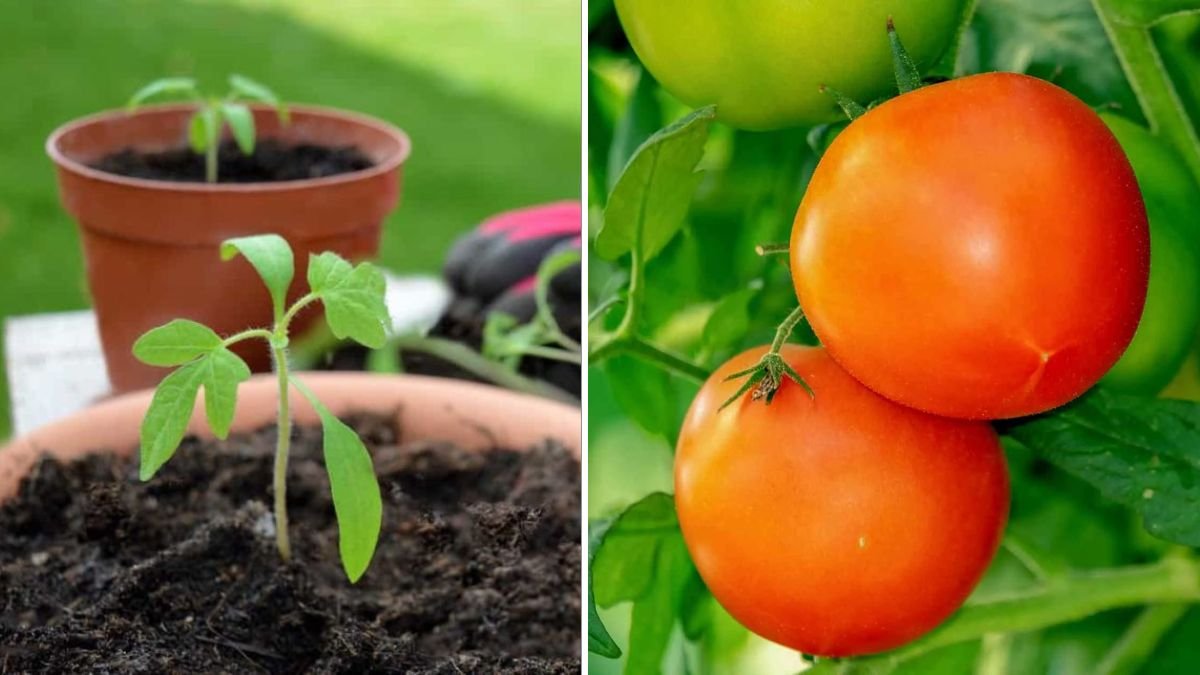
Growing vegetables without chemicals ensures healthy food and protects the environment. Home gardening allows control over soil, water, and nutrition. Chemical-free methods reduce pesticide exposure and promote sustainable practices. With simple tools and minimal cost, anyone can start a home garden. This approach is perfect for urban, suburban, and rural areas. By growing vegetables naturally, gardeners enjoy better taste, nutrition, and environmental benefits. This guide details steps to cultivate clean, chemical-free vegetables effectively.
Why Go Chemical-Free?
Chemical-free gardening protects human health by avoiding synthetic fertilizers and pesticides. It improves soil fertility naturally through composting. Reduces environmental pollution in water and soil. Encourages biodiversity by supporting beneficial insects and soil organisms. Chemical-free produce tastes better, has higher nutrient content, and reduces dependency on external inputs. Sustainable gardening practices benefit both humans and the ecosystem.
Choosing the Right Vegetables
Select vegetables suited for chemical-free growing. Leafy greens like spinach, lettuce, and kale are easy to grow. Tomatoes, cucumbers, and peppers also thrive organically. Herbs such as basil, coriander, and mint are ideal for pots. Choose disease-resistant varieties for easier cultivation. Matching vegetables with your space and climate ensures success. Diverse vegetable selection provides a balanced and nutritious diet.
Preparing the Soil Naturally
Use compost, cow dung, vermicompost, and leaf mold to enrich soil. Avoid chemical fertilizers. Mix organic matter in a 2:1:1 ratio with garden soil and sand. Soil pH should be 6.0–7.0. Healthy soil promotes strong roots, improves nutrient absorption, and reduces disease susceptibility. Regularly replenish soil nutrients naturally to maintain productivity. Proper soil preparation is the foundation of chemical-free gardening.

Container Gardening for Clean Vegetables
Containers allow better control over soil quality and water. Use plastic, ceramic, or fabric pots with drainage holes. Ideal for urban spaces, terraces, or small gardens. Containers prevent soil contamination and reduce pest exposure. Use lightweight containers for easy movement. Proper container selection improves growth, ensures healthy plants, and makes maintenance easier.
Planting Techniques
Use seeds or seedlings. Sow seeds in small trays and transplant after 3–4 weeks. Space plants adequately to allow airflow. Cover young seedlings with light mulch to retain moisture. Place containers in sunny spots for at least 6 hours daily. Gentle planting ensures strong establishment and faster growth.
Watering Naturally
Water plants using rainwater, drip irrigation, or watering cans. Maintain consistent moisture without overwatering. Mulch helps retain soil moisture and reduces evaporation. Early morning or late afternoon watering prevents leaf burn. Proper hydration supports photosynthesis, strong stems, and better fruiting. Chemical-free gardening relies on natural water management for healthy plants.
Organic Fertilizers and Composting
Use compost, vermicompost, and kitchen waste for fertilizer. Cow dung, bone meal, and neem cake are effective natural fertilizers. Apply every 3–4 weeks depending on plant needs. Balanced nutrition promotes strong leaves, flowers, and fruits. Avoid synthetic fertilizers to maintain chemical-free status. Fertilizer table:

| Stage | Organic Fertilizer | Notes |
|---|---|---|
| Seedling | Vermicompost | Encourage root development |
| Vegetative | Cow dung or compost | Promote healthy leaf growth |
| Flowering | Bone meal or neem cake | Improve flower and fruit set |
Sunlight Requirements
Most vegetables need 6–8 hours of sunlight daily. Position containers for maximum exposure. Rotate containers weekly to ensure uniform growth. Partial shade for heat-sensitive plants prevents leaf burn. Adequate sunlight improves photosynthesis, strengthens stems, and enhances fruit and leaf quality.
Supporting Plants
Climbing vegetables like beans, peas, and cucumbers require trellises. Tie stems loosely to prevent breakage. Supporting plants improves airflow and sunlight exposure. Vertical support enhances yield and reduces pest and disease risk. Proper support allows easy harvesting and prevents soil contact of fruits.
Pruning and Maintenance
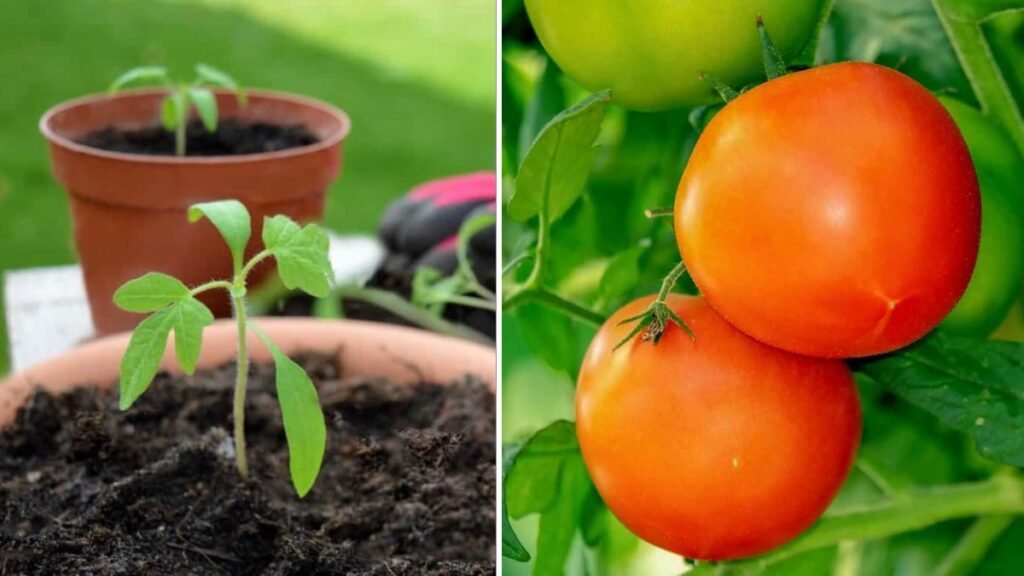
Remove dead or yellowing leaves regularly. Pinch excess lateral shoots to redirect energy to main stems. Clean pruning tools to prevent disease transmission. Pruning improves airflow, reduces fungal infections, and enhances fruit development. Regular maintenance is key to high productivity in chemical-free vegetable gardening.
Pest Control Naturally
Use neem oil, garlic spray, or chili extract to repel pests. Encourage beneficial insects like ladybugs and bees. Companion planting can naturally deter harmful pests. Monitor plants daily and remove affected leaves. Early intervention prevents pest outbreaks without chemicals. Healthy plants are less susceptible to insect damage.

Pollination Tips
Encourage bees and pollinators for fruiting vegetables. Hand pollinate flowers using a soft brush in containers. Proper pollination ensures uniform fruit set and higher yields. Multiple flowering periods allow continuous harvest. Pollination is crucial for successful vegetable production.
Harvesting Vegetables
Harvest vegetables when they reach optimal size and color. Regular harvesting promotes continuous growth. Avoid leaving overripe vegetables, as it reduces plant energy. Use scissors or gentle twisting to avoid stem damage. Chemical-free produce is fresher and more nutritious. Timely harvesting ensures maximum yield.
Benefits of Growing Vegetables Without Chemicals
- Healthier, tastier produce
- Environmentally friendly
- Reduced soil and water pollution
- Encourages biodiversity
- Cost-effective home gardening
Chemical-free gardening supports sustainable living while providing fresh food.
Creative Layouts for Home Gardens
Use vertical racks, hanging containers, and raised beds. Mix vegetables with herbs or flowers for aesthetic appeal. Container arrangements improve air circulation and sunlight access. Creative layouts maximize space while enhancing garden beauty. Small spaces can yield abundant chemical-free vegetables.

Soil and Mulch Management
Renew soil regularly with compost and organic matter. Use mulch to retain moisture and suppress weeds. Mulching also gradually enriches soil as it decomposes. Healthy soil and mulch improve plant growth and productivity. Proper management ensures long-term success in chemical-free gardening.
Challenges and Solutions
Challenges include pests, nutrient depletion, and space limitations. Solve using organic pest control, compost replenishment, and vertical setups. Early intervention ensures healthy plants. Awareness of challenges improves gardening success.
Environmental Impact
Chemical-free gardening reduces chemical runoff, protects water sources, and supports biodiversity. It promotes sustainable urban and rural gardening practices. Eco-friendly methods provide fresh produce while conserving the environment.
Conclusion
Growing vegetables without chemicals is simple, cost-effective, and rewarding. Proper soil preparation, watering, fertilization, pruning, and pest management result in healthy, abundant harvests. Chemical-free methods protect the environment, improve food quality, and encourage sustainable gardening. Anyone can start a clean vegetable garden at home with minimal investment.