1. Introduction
Growing onions on the balcony is a smart solution for urban gardeners who lack ground space. Onions are essential kitchen vegetables and grow well in containers with minimal care. Balcony gardening allows fresh, chemical-free onions right at home. With proper sunlight, soil, and watering, onion growth becomes simple and rewarding. Even beginners can succeed using pots, trays, or recycled containers. This method reduces grocery costs and improves food quality. Balcony onions mature faster due to controlled conditions. This guide explains every step in detail.
2. Why Grow Onions on the Balcony
Balcony onion gardening saves space and maximizes unused areas. Onions adapt well to containers and shallow soil depths. Home-grown onions are fresher and more nutritious than store-bought ones. Balcony environments reduce pest pressure compared to open gardens. You can grow onions year-round with seasonal planning. It is cost-effective and environmentally friendly. Balcony gardening also improves air quality. The process is relaxing and educational.
3. Best Onion Varieties for Balcony Gardening
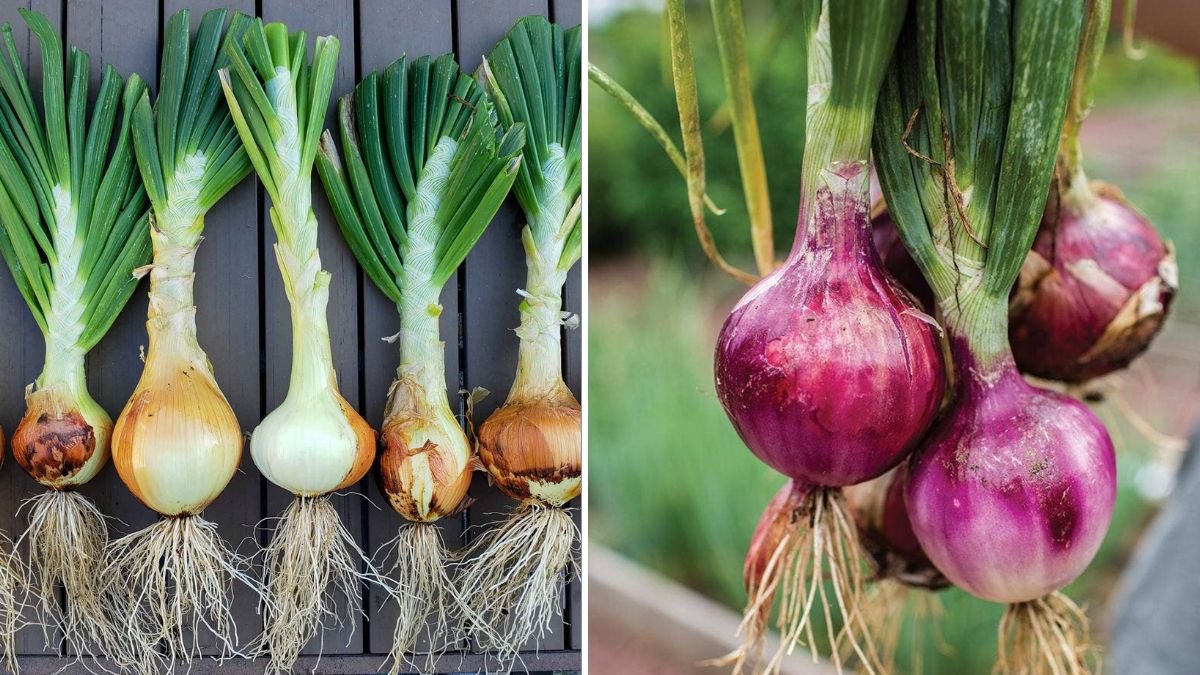
Not all onion varieties suit containers, so choosing the right type is important. Short-day onions perform well in balconies and warm climates. Green onions and spring onions are perfect for beginners. Bulb onions need slightly deeper containers but still grow well. Red, white, and yellow onions can all be grown successfully. Fast-growing varieties shorten harvest time. Choose disease-resistant seeds for better results. Compact varieties reduce space issues.
4. Containers and Space Requirements
Choose containers at least 8–10 inches deep for bulb onions. Wide containers allow proper bulb development. Ensure drainage holes to prevent waterlogging. Recycled buckets, grow bags, or pots work well. Balcony rail planters can also be used. Avoid overcrowding to allow airflow. Lightweight containers protect balcony structure. Arrange containers for maximum sunlight exposure.

5. Soil Preparation for Healthy Onion Growth
Onions need loose, well-draining soil to form bulbs properly. Use a mix of garden soil, compost, and sand. Avoid heavy clay soil as it restricts bulb expansion. Soil pH should be between 6.0 and 6.8. Adding vermicompost boosts nutrient availability. Organic matter improves water retention. Sterilized soil prevents fungal infections. Refresh soil between growing cycles.
6. Planting Onion Seeds or Sets
Onions can be grown from seeds, sets, or bulbs. Sets are easiest and fastest for balcony gardeners. Plant onions with the pointed end facing up. Do not bury bulbs too deep; the top should remain visible. Maintain spacing of 4–5 inches between plants. Water lightly after planting. Label containers for easy tracking. Germination begins within 7–10 days.
7. Sunlight Requirements
Onions require 6–8 hours of direct sunlight daily. Place containers on sunny balconies or window edges. Rotate containers for even exposure. Insufficient light leads to weak growth. Morning sunlight is ideal. In low-light areas, grow lights can be used. Avoid shade from walls or grills. Consistent light improves bulb size.
8. Watering Schedule
Onions prefer consistent but moderate watering. Water when the topsoil feels dry. Overwatering causes rot and fungal diseases. Underwatering reduces bulb size. Use a watering can for controlled flow. Water early morning for best absorption. Ensure excess water drains freely. Reduce watering as bulbs mature.

9. Fertilization and Nutrient Care
Onions benefit from nitrogen during early growth. Use compost tea or liquid organic fertilizer every two weeks. Avoid excess nitrogen during bulb formation. Potassium supports strong bulbs. Bone meal improves root development. Organic feeding keeps onions chemical-free. Monitor leaf color for deficiencies. Balanced feeding ensures uniform bulbs.
10. Weed and Maintenance Management
Balcony containers have fewer weeds but still require attention. Remove weeds immediately to avoid competition. Loosen topsoil occasionally for aeration. Remove yellow or dry leaves. Maintain cleanliness around containers. Avoid touching bulbs unnecessarily. Healthy maintenance prevents disease spread. Regular observation improves success.
11. Pest and Disease Prevention
Common pests include thrips and onion maggots. Balcony gardens face fewer infestations. Neem oil spray works effectively. Avoid wet foliage to prevent fungal diseases. Maintain spacing for airflow. Remove infected plants immediately. Clean containers after harvest. Use organic solutions for safety.
12. Growing Green Onions on the Balcony
Green onions are ideal for quick harvests. They grow well in shallow containers. Cut leaves regularly for continuous growth. Regrow green onions from kitchen scraps easily. Place roots in soil or water. Harvest within 3–4 weeks. Green onions require minimal fertilizer. They are perfect for beginners.

13. Seasonal Planning for Balcony Onions
Onions grow best in cool to mild temperatures. Winter and early spring are ideal. Avoid extreme summer heat. Plan sowing based on local climate. Succession planting ensures continuous supply. Protect plants from heavy rain. Adjust watering seasonally. Seasonal planning improves yield.
14. Signs of Healthy Onion Growth
Healthy onions have upright green leaves. Bulbs gradually swell above soil. Leaves remain firm and bright. Slow growth indicates nutrient deficiency. Wilting suggests watering issues. Uniform growth shows proper spacing. Strong roots anchor bulbs well. Healthy plants resist pests better.
15. Harvesting Onions on the Balcony
Harvest onions when leaves turn yellow and fall. Stop watering a week before harvest. Gently pull bulbs from soil. Allow onions to dry in shade. Proper curing improves storage life. Handle bulbs carefully to avoid damage. Harvest during dry weather. Balcony onions are easy to collect.
16. Storing Balcony-Grown Onions
Cure onions for 7–10 days in airy shade. Store in cool, dry places. Avoid plastic bags. Use mesh baskets or trays. Remove damaged bulbs first. Proper storage prevents spoilage. Label harvest dates. Balcony onions store well when cured properly.

17. Common Mistakes to Avoid
Overcrowding reduces bulb size. Excess watering causes rot. Poor drainage leads to fungal issues. Insufficient sunlight weakens plants. Over-fertilization affects bulb formation. Ignoring pests causes damage. Using heavy soil restricts growth. Avoid these mistakes for success.
18. Cost and Resource Efficiency
Balcony onion gardening is highly economical. Seeds or sets are inexpensive. Containers can be reused. Organic waste becomes compost. Water usage is minimal. No transport costs involved. Harvests reduce grocery spending. Long-term savings are significant.
19. Balcony Onion Gardening Table
| Item | Purpose | Notes |
|---|---|---|
| Containers | Growing onions | Minimum 8–10 inch depth |
| Compost | Soil nutrition | Improves bulb size |
| Onion sets | Planting material | Faster growth |
| Watering can | Irrigation | Controlled watering |
| Neem oil | Pest control | Organic solution |
20. Conclusion
Growing onions on the balcony is simple, productive, and rewarding. With the right containers, soil, and care, anyone can harvest fresh onions at home. Balcony gardening maximizes space while improving food quality. Onions adapt well to containers and require minimal effort. This method supports sustainable living. Fresh harvests bring satisfaction and savings. Start with a few containers and expand gradually. Balcony onions prove that small spaces can produce big results.