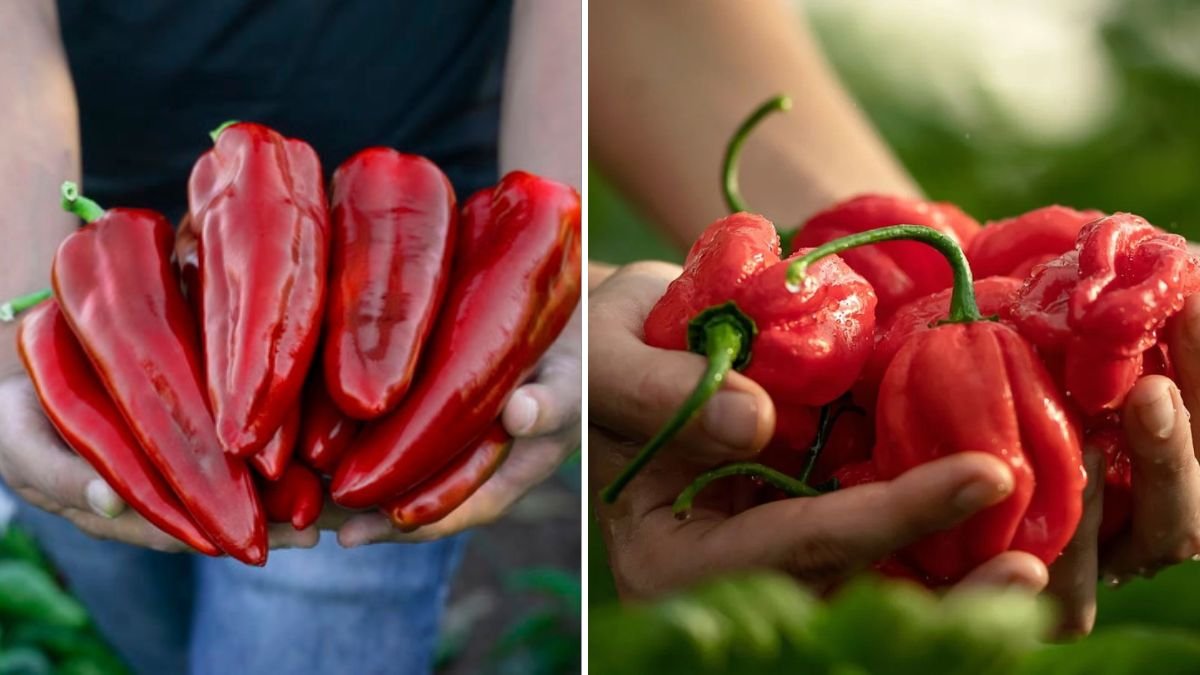
Peppers are versatile, nutritious, and highly rewarding to grow. Many people assume a garden is required, but hanging bottles can produce heavy harvests even on balconies. This system saves space, ensures better airflow, and reduces pests. Bottles allow precise soil and water control. Elevated placement protects plants from soil-borne diseases. Vertical growth improves sunlight exposure. Even beginners can achieve impressive yields. With care, you can enjoy fresh peppers year-round.
Understanding Pepper Growth in Containers
Bell and chili peppers are compact plants with sturdy stems. They adapt well to containers. Hanging bottles provide a controlled environment for roots. Proper ventilation reduces fungal issues. Container-grown peppers concentrate energy into fruiting rather than excessive foliage. Controlled growth encourages stronger branches. Healthy plants produce heavier, tastier fruits. Understanding growth patterns helps optimize care.
Choosing the Right Bottles for Hanging Gardens
Use plastic bottles of 5–10 liters. Cut openings for planting and drainage. Dark bottles retain warmth and accelerate root growth. Ensure bottles are clean and sturdy. Multiple drainage holes are essential. Lightweight bottles are easier to hang. Bottles can be recycled to reduce costs. Correct bottle choice is critical for successful hanging gardens.
Preparing the Soil Mix for Peppers
Peppers require fertile, well-draining soil. Mix garden soil, compost, and coco peat. Add vermicompost for continuous nutrition. Avoid heavy clay or compacted soils. Slightly acidic soil works best. Loose soil promotes strong root development. Organic-rich soil enhances fruit flavor. Proper soil preparation is the foundation of high yield.

Selecting Pepper Varieties for Hanging Bottles
Choose compact, high-yield, disease-resistant varieties. Bell peppers, mini peppers, and chili types work best. Local climate-adapted varieties thrive better. Seedlings should be healthy with thick stems and green leaves. Avoid weak or leggy plants. Variety selection impacts harvest size. Good seeds guarantee success. Quality seedlings ensure faster establishment.
Planting Peppers in Hanging Bottles
Fill bottles with prepared soil. Plant one seedling per bottle. Firm soil gently around roots. Water lightly after planting. Keep bottles in partial sunlight initially. Gradually expose them to full sun. Ensure bottles are securely hung. Proper planting prevents root shock and promotes rapid growth.
Sunlight Requirements for Maximum Yield
Peppers require 6–8 hours of sunlight daily. Morning sun is preferable. Rotate bottles for uniform light. Insufficient sunlight reduces flowering. Proper light strengthens stems and thickens fruit walls. Sun exposure also improves color and taste. Consistent sunlight enhances productivity. Placement affects overall yield.
Watering Schedule for Hanging Bottle Peppers
Water when the topsoil feels dry. Avoid overwatering to prevent root rot. Morning watering is ideal. Mulch helps retain moisture in small containers. Dry stress causes blossom drop and poor fruiting. Consistent moisture ensures smooth, flavorful fruits. Frequent monitoring is essential. Balance is key to high yield.

Fertilizing for Heavy Pepper Production
Feed plants every 10–14 days. Use compost tea or liquid organic fertilizer. Potassium improves fruit size and color. Avoid excessive nitrogen, which promotes foliage over fruit. Liquid feeding is absorbed quickly. Regular feeding sustains flowering and fruiting. Proper nutrition ensures strong, healthy plants. Feeding timing influences harvest volume.
Supporting Hanging Bottle Plants
Even compact peppers produce heavy fruits. Provide internal stakes if needed. Tie stems gently with soft strings. Support prevents bending or breakage. Upright plants receive better sunlight. Improved airflow reduces pest problems. Strong support extends the harvest period. Structural care ensures plant longevity.
Flowering and Pollination Tips
Peppers are self-pollinating but benefit from gentle shaking. Flower retention ensures higher fruit set. Healthy plants flower continuously. Stress can cause flower drop. Optimal light and nutrient balance increase fruiting. Proper pollination improves size and shape. Controlled growth leads to higher yields. Monitoring flowers ensures consistent production.
Pruning for Maximum Productivity
Remove lower leaves that touch soil or block airflow. Prune weak shoots and overcrowded branches. Focus plant energy on fruit-bearing branches. Pruning improves sunlight penetration. Reduces pest and disease problems. Controlled growth enhances fruit size and quality. Simple pruning increases total harvest. Clean, healthy plants perform better.

Managing Pests and Diseases
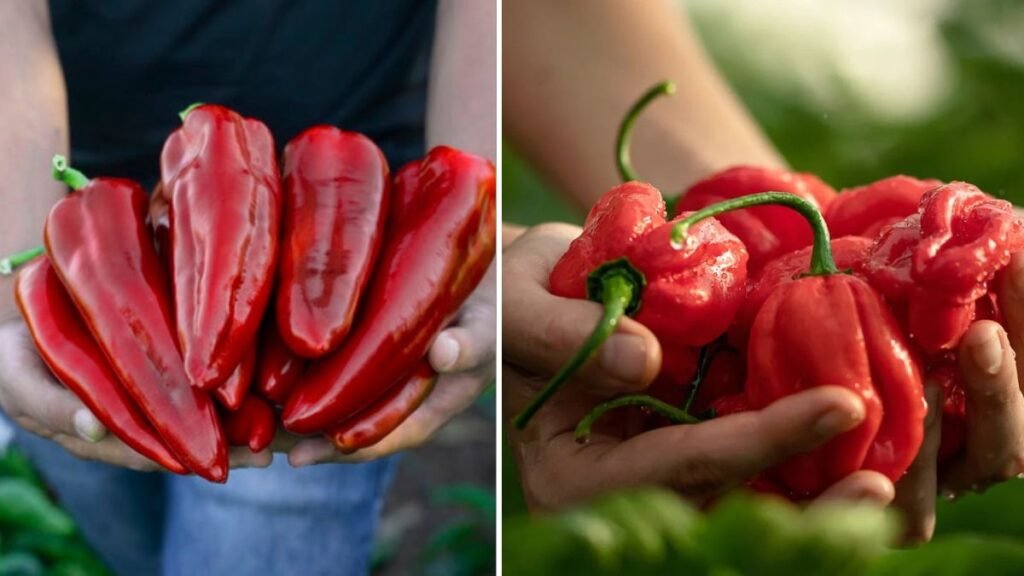
Common pests include aphids and spider mites. Neem oil or mild insecticidal soap works effectively. Remove infected leaves immediately. Hanging bottles reduce soil-borne diseases. Good airflow prevents fungal infection. Organic pest control keeps peppers safe. Regular monitoring prevents outbreaks. Prevention is easier than cure.
Temperature and Seasonal Adjustments
Peppers thrive in 20–30°C. Protect from extreme heat or cold. Shade bottles during intense sun. Relocate bottles during storms or heavy rain. Mulching helps regulate soil temperature. Seasonal adjustments prevent stress. Container flexibility allows easy adaptation. Proper temperature ensures better flowering and fruiting.
Harvesting Hanging Bottle Peppers
Harvest when fruits reach full color and firmness. Green, partially mature fruits can be harvested for early use. Use scissors to avoid damaging stems. Frequent harvesting encourages continuous flowering. Handle fruits gently to prevent bruising. Timely harvest improves taste. Regular picking ensures maximum yield. Observe maturity for optimal results.
Expected Yield from Hanging Bottle Peppers
| Factor | Result |
|---|---|
| First harvest | 60–75 days |
| Fruits per plant | 8–15 |
| Bottle size | 5–10 liters |
| Harvest duration | 3–4 months |
Common Problems and Solutions
Yellow leaves indicate nutrient deficiency. Blossom end rot shows calcium imbalance. Flower drop may result from heat or water stress. Adjust watering and feeding immediately. Improve sunlight exposure. Remove pests promptly. Observation prevents large-scale loss. Experience ensures long-term success.

Benefits of Hanging Bottle Pepper Gardening
Space-saving and ideal for small balconies. Cleaner and chemical-free fruits. Reduced pest and disease incidence. Easy maintenance and low cost. Vertical gardening maximizes output. Perfect for urban apartments. Encourages year-round vegetable production. High satisfaction for beginners and experts alike.
Tips for Maximum Pepper Yield
Choose sturdy bottles. Maintain consistent sunlight. Water and feed regularly. Support plants from early stages. Prune selectively. Harvest frequently. Monitor plant health daily. Consistent care ensures abundant harvest.
Conclusion: Grow Peppers Anywhere
Hanging bottle gardening allows massive pepper production without a garden. With proper care, even small balconies become productive. Containers provide flexibility and control. Fresh, colorful peppers can be harvested year-round. This method is beginner-friendly, sustainable, and rewarding. Start your hanging bottle garden today for a continuous pepper supply.