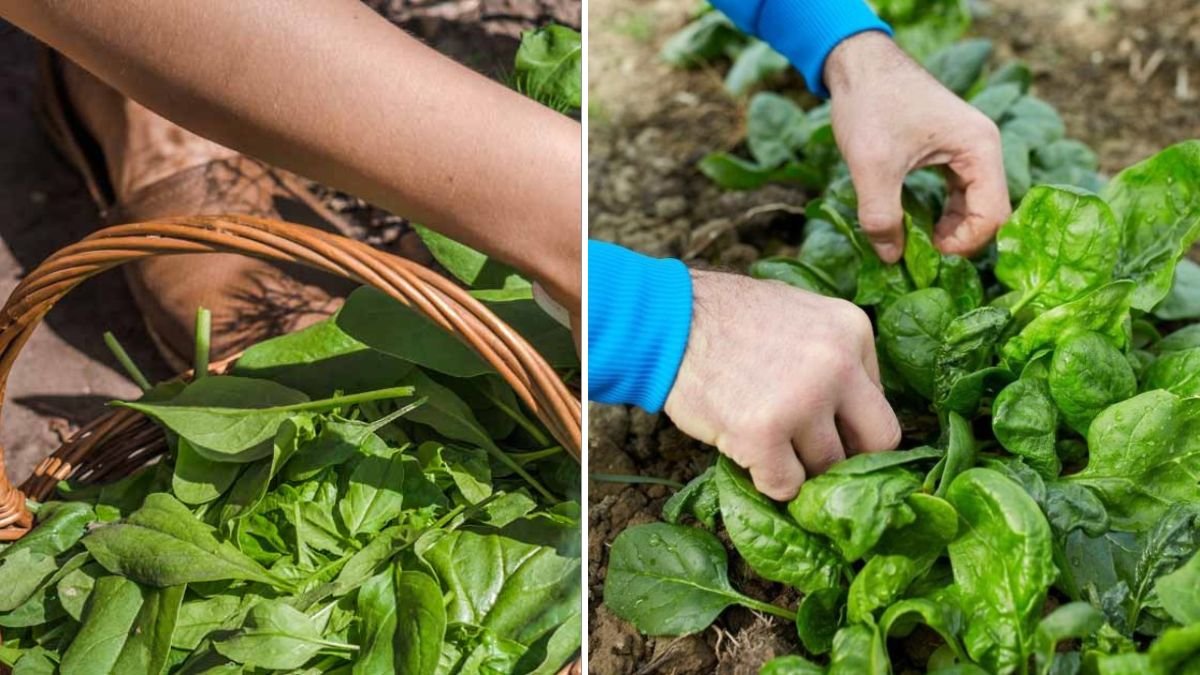
Growing vegetables at home ensures freshness, safety, and nutrition. Clean vegetables are free from harmful chemicals, pesticides, and contaminants. Home gardening allows control over soil quality, water, and nutrients. Fresh vegetables retain flavor, color, and essential vitamins. You can grow a variety of crops, from leafy greens to root vegetables. Sustainable gardening reduces grocery expenses. It encourages eco-friendly practices and reduces carbon footprint. With proper planning and care, clean vegetable gardening can be highly productive.
Selecting Suitable Vegetables for Clean Gardening
Leafy greens like lettuce, spinach, and kale are ideal. Root vegetables such as carrots, radishes, and beets thrive in loose, healthy soil. Tomatoes, peppers, and cucumbers also produce well. Consider growth cycles and sunlight requirements. Choose disease-resistant and pest-tolerant varieties. Fast-growing vegetables allow multiple harvests. Proper selection simplifies maintenance and increases yield. Selecting suitable crops ensures consistent, clean harvests.
Choosing Soil and Growing Medium
Use nutrient-rich, well-draining soil. Incorporate organic compost and manure for fertility. Avoid chemically treated soils. Mix sand or perlite for aeration. Raised beds or containers improve soil control. Loamy soil supports healthy roots and fast growth. Soil quality directly influences vegetable flavor and nutrient content. Proper preparation prevents disease and improves productivity.

Preparing Soil with Organic Fertilizers
Organic fertilizers like compost, worm castings, and liquid manure enrich soil. They improve water retention and nutrient availability. Avoid synthetic chemicals that contaminate vegetables. Layer fertilizers evenly in raised beds or containers. Monitor pH levels to optimize nutrient absorption. Proper fertilization enhances growth rate and yields. Organic soil amendment ensures clean and flavorful vegetables.
Watering Techniques for Fresh Vegetables
Consistent watering maintains plant health. Avoid overhead watering to reduce fungal infections. Drip irrigation is efficient for containers and raised beds. Mulching retains moisture and regulates temperature. Water early in the morning for better absorption. Avoid overwatering to prevent root rot. Proper hydration encourages rapid growth and crisp leaves. Efficient watering enhances yield and vegetable quality.
Sunlight and Placement
Most vegetables need 6-8 hours of sunlight daily. Position raised beds or containers in sunlit areas. Rotate containers for even light exposure. Partial shade may protect delicate crops in hot climates. Adequate sunlight promotes photosynthesis, leaf growth, and flowering. Insufficient sunlight reduces yield and plant health. Proper placement ensures high-quality, clean vegetables. Sunlight management affects flavor, size, and growth rate.

Pest and Disease Prevention
Avoid synthetic pesticides for clean vegetables. Use neem oil, garlic sprays, or insecticidal soap. Companion planting repels pests naturally. Maintain good airflow to reduce fungal problems. Remove damaged or diseased leaves promptly. Rotate crops to prevent soil-borne diseases. Monitoring and early intervention ensures healthy, clean vegetables. Preventive strategies maintain quality and productivity.
Pruning and Maintenance
Regularly remove dead leaves and stems. Mulch periodically to retain soil moisture. Thin overcrowded plants to improve airflow. Pruning encourages stronger, healthier growth. Maintain garden cleanliness to prevent pest infestations. Fertilize according to crop requirements. Regular maintenance ensures faster growth and better yield. Proper care leads to consistent production of fresh vegetables.
Harvesting Techniques
Harvest vegetables when mature but tender. Use clean scissors or knives to avoid damage. Frequent harvesting encourages continuous growth. Store harvested vegetables in cool, dry places. Avoid excessive handling to reduce contamination. Harvesting at peak maturity ensures maximum flavor. Timely picking improves shelf-life and nutrition. Proper harvesting practices maintain plant productivity and food quality.

Using Containers and Raised Beds
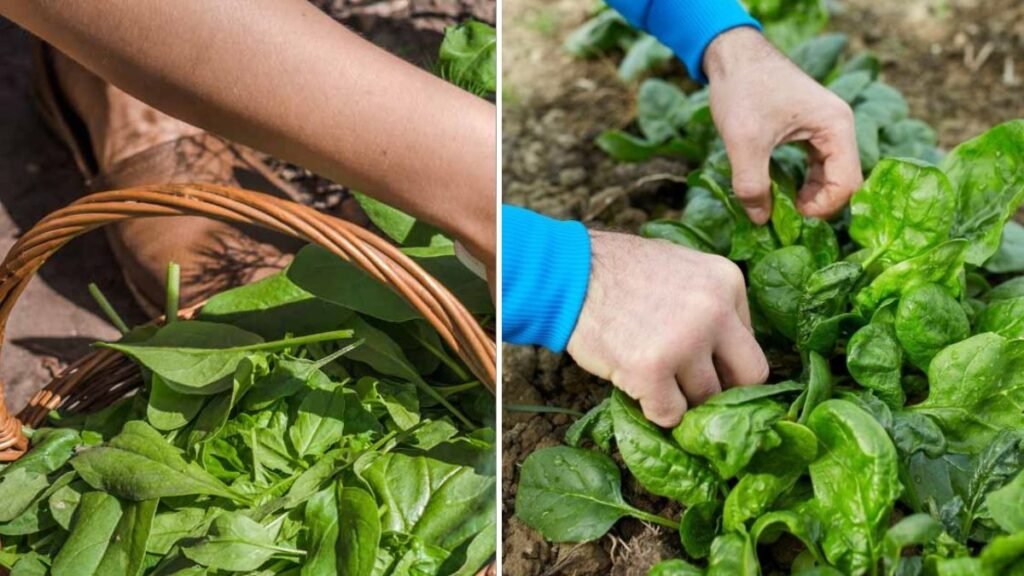
Containers and raised beds reduce soil contamination. They allow better control over water, soil, and nutrients. Containers can be moved to optimize sunlight. Raised beds improve drainage and root growth. Layering compost in beds supports sustainable gardening. Vertical container gardening saves space. Proper setup ensures vegetables are clean, fresh, and safe. Containers and raised beds simplify maintenance and harvest.
Mulching and Soil Cover
Mulching conserves moisture and prevents weeds. Straw, dry leaves, or grass clippings work effectively. Mulching stabilizes soil temperature for faster growth. It reduces soil splash, minimizing contamination on leaves. Refresh mulch periodically for optimal benefits. Mulching contributes to organic and clean vegetable production. Efficient soil cover enhances quality and yield. Proper mulch management reduces maintenance and increases productivity.
Companion Planting for Clean Crops
Basil, marigolds, and coriander repel pests naturally. Beans enrich soil with nitrogen for leafy greens. Avoid aggressive or invasive plants nearby. Rotate companions to maintain soil fertility. Companion planting reduces pesticide use and promotes biodiversity. Strategic planting enhances flavor and vegetable quality. It boosts resistance to disease and pest damage. Proper companion strategies support a sustainable, clean garden.

Troubleshooting Common Issues
Yellow leaves may indicate nutrient deficiency. Small or malformed vegetables may result from poor soil or overcrowding. Aphids, caterpillars, and fungal infections require organic solutions. Monitor soil pH and moisture regularly. Rotate crops to prevent recurring issues. Early detection ensures healthy, clean vegetables. Troubleshooting maintains yield, flavor, and safety. Prompt solutions protect productivity and harvest quality.
Seasonal Care Tips
Adjust watering, sunlight, and nutrients based on seasonal changes. Protect delicate crops from frost or extreme heat. Use shade cloths or row covers as needed. Rotate crops between seasons to maintain soil health. Seasonal adjustments ensure continuous growth. Monitor pest activity according to seasonal patterns. Proper care guarantees year-round production. Seasonal planning enhances garden sustainability and productivity.
Benefits of Growing Clean Vegetables
Clean vegetables are free from harmful chemicals. They provide better flavor and higher nutrient content. Home gardening reduces dependency on store-bought produce. Eco-friendly methods conserve resources and reduce waste. Organic techniques improve soil fertility naturally. Growing clean vegetables supports healthy lifestyles. Promotes sustainable urban gardening practices. Home-grown vegetables are fresh, safe, and nutritious.

Tools and Supplies Needed
| Tool | Purpose |
|---|---|
| Gardening gloves | Safe handling |
| Raised bed frames | Soil control |
| Watering can | Consistent hydration |
| Organic fertilizers | Nutrient supply |
| Mulch | Moisture retention |
| Pruning shears | Remove dead leaves |
| Drip irrigation | Efficient watering |
Tips for Maximum Yield
Select disease-resistant and fast-growing vegetables. Use nutrient-rich organic soil. Maintain consistent watering and sunlight. Mulch to retain moisture and prevent weeds. Prune damaged leaves and thin overcrowded plants. Monitor for pests and intervene organically. Rotate crops for soil health. Following these tips ensures clean, fresh, and abundant harvests.
Conclusion: Healthy, Sustainable, and Delicious
Growing clean vegetables ensures safety, freshness, and nutrition. Organic soil, compost, and careful watering promote robust growth. Pest management without chemicals protects health. Containers and raised beds improve soil control and cleanliness. Companion planting and mulching enhance sustainability. Seasonal adjustments maintain year-round productivity. Harvesting at peak maturity ensures flavor and nutrient retention. Home-grown vegetables provide a safe, eco-friendly, and delicious food source.