Tomatoes thrive in containers, and plastic buckets are one of the easiest options. They are lightweight, affordable, and easy to manage. Buckets allow controlled soil and water conditions. They prevent soil-borne diseases and improve yield. Balcony gardeners can move plants for sunlight or protection. With proper care, bucket-grown tomatoes produce high yields. This guide explains how to grow heavy, juicy tomatoes using plastic buckets at home.
Benefits of Growing Tomatoes in Buckets
Buckets save space and are perfect for urban gardening. Watering and fertilization are easier. Soil quality is consistent. Pests are easier to control. Buckets can be relocated during harsh weather. Clean harvesting is convenient. They enable high-yield production in small areas. Maintenance is simple and effective.
Choosing the Right Tomato Variety
Dwarf, determinate, and cherry tomatoes perform best. Disease-resistant varieties reduce care requirements. Fast-maturing types provide quicker harvests. Bushy types fit well in buckets. The right variety ensures maximum yield in limited space. Compact plants adapt better to bucket growth. Varieties with strong stems support heavy fruit clusters. Flavor is often enhanced in container-grown plants.
Best Tomato Varieties for Buckets
| Tomato Type | Growth Habit | Container Suitability |
|---|---|---|
| Cherry tomatoes | Compact | Excellent |
| Determinate tomatoes | Bushy | Very good |
| Dwarf tomatoes | Short | Excellent |
Selecting the Right Plastic Bucket
Use buckets of at least fifteen to twenty liters. Ensure sturdy construction with drainage holes. Deep buckets support healthy root growth. Plastic retains moisture efficiently. Buckets with handles are easier to move. Reusable buckets are cost-effective. White or light-colored buckets reduce heat stress. Larger buckets usually increase yield.

Importance of Proper Drainage
Drainage prevents root rot. Drill multiple holes at the bottom. Add a gravel or broken clay base layer. Proper drainage ensures oxygen reaches roots. Healthy roots improve flowering and fruiting. Avoid overwatering to maintain balance. Good drainage supports overall plant health. Bucket drainage reduces disease risk.
Preparing the Ideal Soil Mix
Tomatoes need loose, fertile soil. Compost enhances nutrients. Coco peat improves moisture retention. Sand ensures proper drainage. A balanced soil mix supports strong root growth. Avoid compacted soil. Healthy soil produces larger, juicier fruits. Proper soil improves disease resistance.
Recommended Soil Mix for Bucket Tomatoes
| Ingredient | Function |
|---|---|
| Garden soil | Base structure |
| Compost | Nutrient supply |
| Coco peat | Moisture retention |
| Sand | Drainage improvement |
Planting Tomato Seedlings
Plant seedlings with strong stems and healthy leaves. Bury stems slightly to encourage root development. Water immediately after planting. Firm soil gently around roots. Avoid transplanting in extreme heat. Proper planting reduces shock. Spacing allows airflow. Healthy roots increase yield.
Sunlight Requirements
Tomatoes need six to eight hours of sunlight daily. Morning sun is ideal. Insufficient light reduces fruit production. Rotate buckets if sunlight is uneven. Proper light improves sweetness and color. Full sun also promotes flowering. Protect from extreme afternoon heat. Sunlight affects overall plant health.

Watering Tomatoes in Buckets
Consistent moisture is essential. Water deeply when topsoil feels dry. Avoid waterlogging. Mulching helps retain moisture. Morning watering reduces disease risk. Regular watering prevents cracking. Monitor soil frequently. Balanced moisture ensures large, juicy fruits.
Fertilizing for Maximum Yield
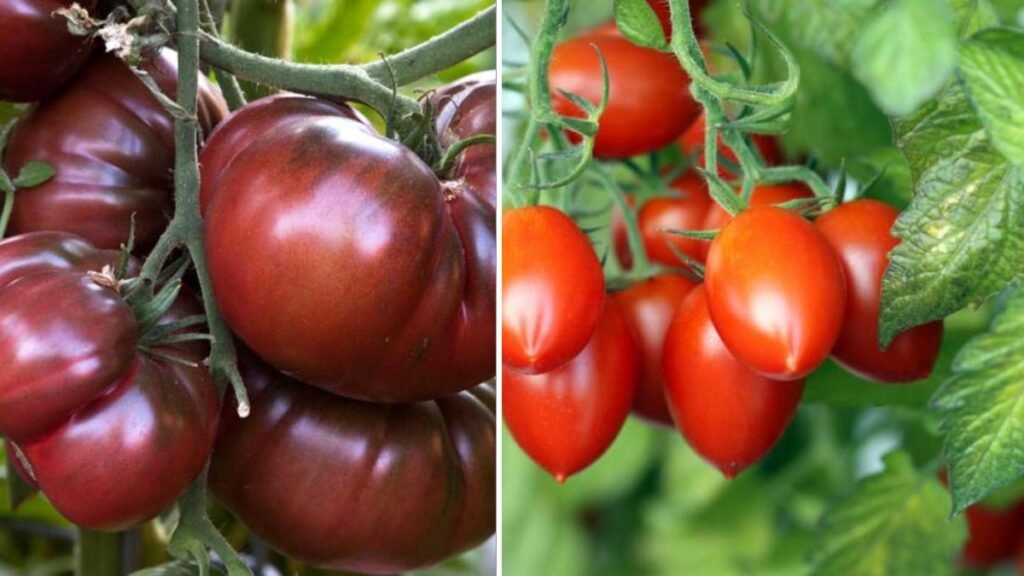
Tomatoes are heavy feeders. Organic liquid fertilizers work best. Feed every two weeks during growth. Nitrogen supports leaf development. Potassium boosts flowering and fruiting. Balanced nutrients improve fruit size and quality. Fertilize more during fruiting. Proper feeding ensures heavy harvests.
Tomato Feeding Schedule
| Growth Stage | Nutrient Focus |
|---|---|
| Early growth | Nitrogen |
| Flowering | Balanced nutrients |
| Fruiting | Potassium |
Supporting Plants
Use stakes or cages for support. Prevents stem breakage. Improves airflow and sunlight penetration. Fruits remain clean and healthy. Strong support increases yield. Container plants benefit from vertical growth. Proper support minimizes plant stress. Helps achieve maximum harvest.
Pruning for Healthy Growth
Remove excess side shoots in indeterminate varieties. Improves light and airflow. Directs energy toward fruit production. Avoid over-pruning. Balanced pruning enhances yield. Healthy leaves produce more energy. Regular monitoring is required. Pruning supports bigger fruits.

Pollination and Flower Care
Tomatoes self-pollinate but benefit from insects. Hand pollination ensures fruit formation. Healthy flowers produce larger fruit. Avoid pesticide sprays during flowering. Gently shake flowers to aid pollination. Proper care increases fruit set. Balanced nutrition supports blooms. Flower health affects harvest quality.
Pest Control
Common pests include aphids and whiteflies. Neem oil is effective. Inspect leaves regularly. Remove affected leaves. Container plants are easier to manage. Companion planting may deter pests. Avoid chemical overuse. Healthy plants naturally resist infestations.
Disease Prevention
Avoid wetting leaves. Ensure airflow. Remove diseased foliage promptly. Healthy soil prevents pathogens. Proper drainage reduces fungal issues. Maintain container cleanliness. Inspect plants regularly. Preventative care ensures consistent harvest.
Flowering and Fruit Development
Healthy plants produce abundant flowers. Ensure balanced feeding and water. Support fruit clusters to prevent bending. Monitor for pests. Timely pruning improves fruit quality. Strong stems hold heavier fruit. Proper care results in high yield. Flower health impacts fruit size.
Harvesting Tomatoes
Pick fully red tomatoes. Avoid cutting green fruit. Use clean scissors. Frequent harvesting encourages more fruit. Morning harvest preserves freshness. Handle carefully to prevent bruising. Ripe fruits taste best. Proper timing increases overall production.

Post-Harvest Bucket Care
Remove old plants. Refresh soil with compost. Clean and dry buckets. Reuse for the next season. Rotate crops for soil health. Maintain bucket hygiene. Prepare containers early. Proper care supports continuous yields.
Expected Yield
Each bucket can produce multiple kilograms of tomatoes. Yield depends on care and variety. Proper support and feeding maximize harvest. Consistent watering ensures juicy, ripe fruits. High-yield varieties perform best in buckets. Urban gardeners can grow abundant tomatoes in limited space.
Environmental Benefits
Container tomatoes save space and water. Reduce pesticide use. Encourage sustainable home gardening. Reuse buckets to reduce waste. Produce fresh, chemical-free fruits. Promote urban greenery. Minimize food transport. Improve air quality around balconies.
Conclusion
Growing tomatoes in plastic buckets is simple, cost-effective, and highly productive. With proper soil, sunlight, watering, and feeding, anyone can achieve heavy yields. This method is ideal for urban gardeners with limited space, providing fresh, juicy, chemical-free tomatoes all season.