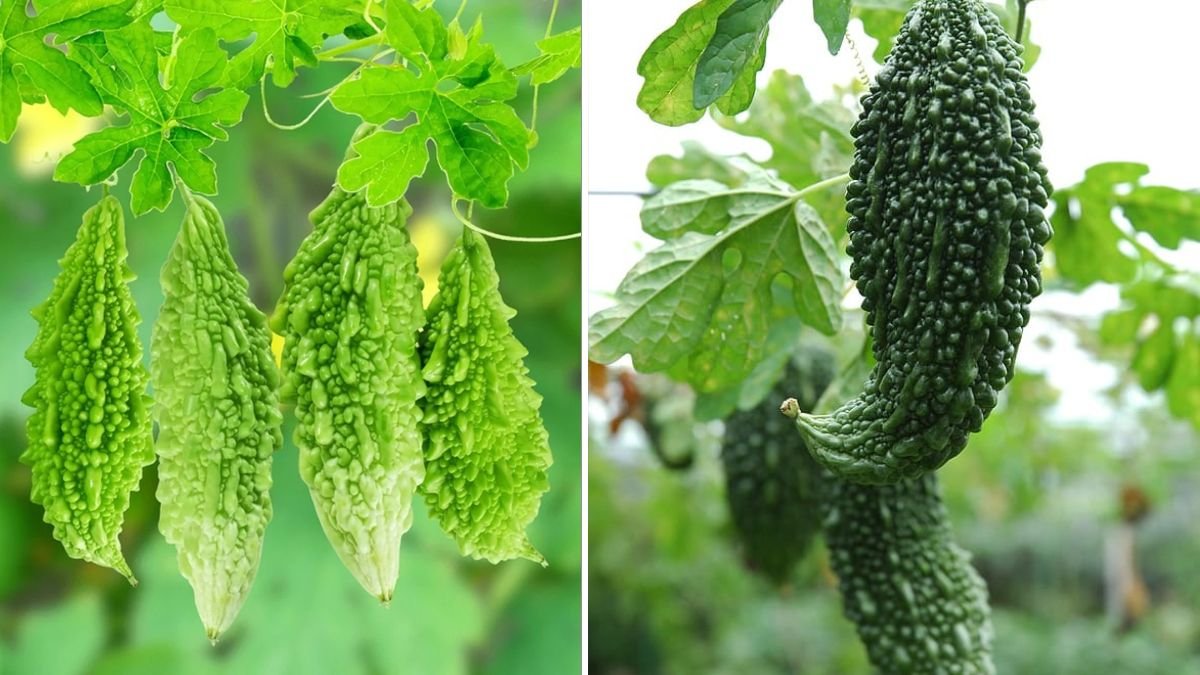
Bitter melon is a nutritious vegetable widely used in home cooking. It grows extremely well in containers when given proper support. Container gardening allows better control over soil and pests. Bitter melon vines adapt easily to pots. This method is perfect for balconies and terraces. With vertical support, vines produce heavy harvests. Container growing also keeps fruits clean. This article explains how to grow bitter melon successfully at home.
Benefits of Growing Bitter Melon in Containers
Containers reduce soil-borne diseases. Watering and feeding become easier. Pots can be moved based on sunlight. Vertical growth saves space. Fruits stay cleaner. Pest control is simpler. Ideal for urban gardeners. Containers allow year-round growing in warm climates.
Best Bitter Melon Varieties for Containers
Choose compact or hybrid varieties. Fast-growing types yield quickly. Disease-resistant seeds reduce problems. Avoid extremely long varieties. Good seed quality improves germination. Varieties suited for containers perform better. Strong vines support fruit load. Proper selection ensures success.
Recommended Bitter Melon Types

| Variety Type | Growth Habit | Suitability |
|---|---|---|
| Hybrid bitter melon | Vigorous | Excellent |
| Short-fruit varieties | Compact | Very good |
Choosing the Right Container
Containers should be large and deep. Thirty to forty liter pots work best. Plastic or clay pots are suitable. Ensure multiple drainage holes. Light-colored pots reduce heat stress. Strong containers support vines. Proper size improves root growth. Good containers increase yield.
Drainage Preparation
Drainage prevents root rot. Drill enough holes. Add gravel at the base. Elevate pots slightly. Proper drainage allows oxygen flow. Avoid waterlogging. Healthy roots grow faster. Drainage is critical for vine health.
Preparing the Best Soil Mix
Bitter melon prefers loose, fertile soil. Mix garden soil, compost, and sand. Coco peat improves moisture balance. Organic matter boosts growth. Avoid compact soil. Healthy soil supports long vines. Soil quality affects fruit size. Preparation is essential.
Sowing Seeds and Transplanting
Soak seeds overnight for faster germination. Sow directly in containers. Plant two seeds per pot. Thin weaker seedlings later. Water gently. Germination occurs quickly. Strong seedlings establish fast. Proper planting ensures success.

Sunlight Requirements
Bitter melon needs full sunlight. Six to eight hours daily is ideal. Morning sun promotes growth. Insufficient light reduces flowering. Rotate containers if needed. Sunlight affects fruit development. Good exposure ensures healthy vines. Light management is important.
Watering Routine
Water regularly but avoid soggy soil. Containers dry faster. Morning watering works best. Mulching reduces evaporation. Consistent moisture prevents bitterness. Avoid drought stress. Balanced watering improves yield. Proper routine supports growth.
Fertilizing Bitter Melon
Bitter melon is a heavy feeder. Use organic compost tea. Feed every two weeks. Nitrogen supports vine growth. Potassium improves flowering and fruiting. Avoid excess nitrogen. Balanced feeding ensures productivity. Nutrition affects fruit quality.
Bitter Melon Feeding Guide

| Growth Stage | Nutrient Focus |
|---|---|
| Vine growth | Nitrogen |
| Flowering | Balanced nutrients |
| Fruiting | Potassium |
Providing Vertical Support
Bitter melon vines need support. Use trellises or strings. Vertical growth saves space. Improves airflow and sunlight. Fruits grow straight and clean. Support prevents vine damage. Install early. Strong support increases yield.
Pruning for Better Yield
Remove excess side shoots. Focus energy on fruiting. Avoid over-pruning. Remove yellow leaves. Pruning improves airflow. Healthy vines produce more fruit. Regular monitoring helps. Balanced pruning boosts productivity.
Flowering and Pollination
Bitter melon produces male and female flowers. Bees assist pollination. Hand pollinate if needed. Healthy flowers produce more fruit. Avoid spraying during flowering. Nutrients affect flower retention. Proper pollination increases yield. Flower care matters.
Pest Management
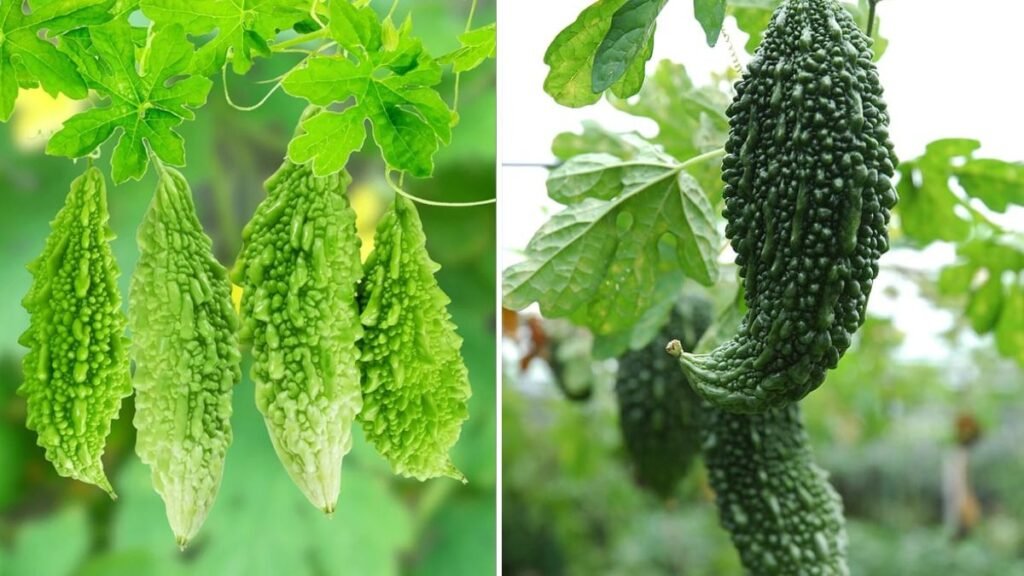
Common pests include aphids and fruit flies. Neem oil controls pests naturally. Inspect plants regularly. Remove infected parts. Clean containers reduce pests. Healthy plants resist attacks. Avoid chemicals. Natural control is safer.

Disease Prevention
Good airflow prevents fungal disease. Avoid wet leaves. Remove diseased vines quickly. Use clean tools. Proper drainage reduces problems. Container gardening lowers disease risk. Prevention saves effort. Healthy vines last longer.
Fruit Development and Care
Consistent watering supports fruit growth. Potassium improves size and shape. Avoid stress during fruiting. Support heavy fruits. Remove damaged fruits. Healthy care improves quality. Fruit development reflects plant health. Monitor regularly.
Harvesting Bitter Melon
Harvest fruits while green and firm. Overripe fruits turn yellow. Use clean scissors. Regular harvesting encourages more fruit. Morning harvest is best. Handle gently. Fresh bitter melon tastes better. Proper harvesting improves yield.
Expected Yield in Containers
Each container can produce many fruits. Yield depends on care and variety. Vertical support increases productivity. Proper feeding improves output. Small spaces deliver big harvests. Experience improves results. Container bitter melon is very rewarding.

Health and Environmental Benefits
Bitter melon is rich in nutrients. Container growing saves space and water. Produces chemical-free vegetables. Encourages healthy eating. Reduces grocery costs. Promotes sustainable living. Ideal for urban households. Gardening improves health.
Conclusion
Growing bitter melon in containers is easy and highly productive. With proper soil, sunlight, and support, anyone can enjoy fresh homegrown harvests. This method proves that even balconies can produce nutritious vegetables.