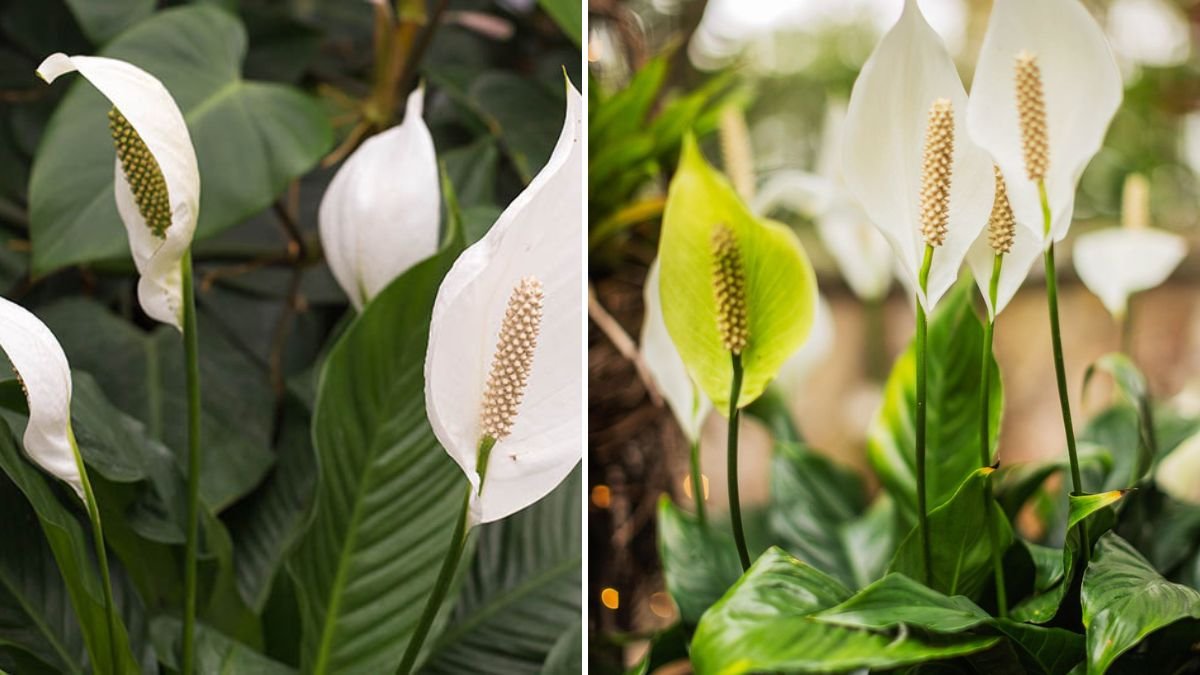
Peace lilies (Spathiphyllum) are beloved houseplants recognized for their striking white flowers and lush green leaves. Not only are they visually appealing, but they are also known for their air-purifying properties. This guide provides easy techniques for beginners seeking to cultivate peace lilies indoors successfully.
Understanding Peace Lilies
Before diving into cultivation techniques, it’s helpful to know a bit about peace lilies. They originate from tropical rainforests, which means they thrive in warm, humid conditions. The appealing aspect of these plants is their ability to adapt well to indoor environments, making them perfect for home decor.
Choosing the Right Location
The first step in successfully cultivating peace lilies is selecting the right location in your home.
Light Requirements
Peace lilies prefer moderate, indirect sunlight. Direct sunlight can scorch their leaves, while insufficient light can stunt their growth. Therefore, consider placing your peace lily near an east or north-facing window, where it can receive filtered light. If natural light is insufficient, you may need to supplement with fluorescent grow lights.
Temperature and Humidity
Peace lilies thrive in temperatures between 65°F to 85°F (18°C to 29°C). They prefer higher humidity levels, typically between 40% to 60%. If you live in a dry climate, consider using a room humidifier or placing a tray of water filled with pebbles under the pot to maintain moisture.
Selecting the Right Pot and Soil
Choosing the appropriate pot and soil mix significantly impacts the health of your peace lily.

Pot Selection
Opt for a pot with drainage holes to prevent waterlogging. Peace lilies are susceptible to root rot, and good drainage is vital. Clay pots are ideal as they allow for air exchange, but plastic pots can suffice as long as they have drainage features.
Soil Type
A well-draining potting mix is essential for peace lilies. A mixture of standard potting soil, peat moss, and perlite works well. This combination ensures that the plant retains moisture while allowing excess water to escape.
Watering Your Peace Lily
Watering is a critical aspect of peace lily care, and it’s crucial to strike a balance. Here’s how to do it right:
Frequency
Generally, peace lilies prefer to dry out between waterings. You can begin by watering your plant once a week. However, you may need to adjust the frequency depending on your environment. Use your finger to test the top inch of the soil; if it feels dry, it’s time to water.
Water Quality
It’s best to use distilled or filtered water for peace lilies. Tap water often contains chlorine and fluoride, which can be harmful to your plant over time. If distilled water is unavailable, let tap water sit out for 24 hours to allow chlorine to dissipate before using it.
Fertilizing Peace Lilies
Fertilization is essential for robust growth, especially during the growing season (spring and summer).

Choosing a Fertilizer
A balanced, water-soluble fertilizer with an N-P-K ratio of 20-20-20 is ideal. You can also opt for a fertilizer specifically formulated for houseplants.
Frequency of Fertilization
Feed your peace lily once every month during spring and summer. Reduce feeding during the fall and winter months when the plant is less active.
Pruning and Grooming
Maintaining the appearance and health of your peace lily involves a bit of grooming.
Removing Dead Leaves
Regularly check your plant for yellow or dead leaves. Removing them not only improves the plant’s appearance but also encourages new growth.
Dusting the Leaves
Dust can accumulate on the leaves, hindering photosynthesis. Gently wipe the leaves with a damp cloth to keep them clean and healthy.
Troubleshooting Common Issues
Even with the best care, peace lilies may encounter issues. Here are solutions to common problems:

Yellow Leaves
Yellow leaves can indicate overwatering or nutrient deficiency. Check the moisture level of the soil. If it is consistently soggy, reduce watering. If the plant is underwatered, yellow leaves may also appear, so ensure a balance.
Wilting Leaves
Wilting might occur due to underwatering or too much exposure to direct sunlight. Check the watering schedule and relocate the plant to a shadier spot if necessary.
Pests
Common pests include spider mites and aphids. Inspect the foliage regularly and treat infestations with insecticidal soap or neem oil.
Encouraging Flowering
One of the most attractive features of peace lilies is their elegant flowers. Here’s how to encourage blooming:
- Proper Lighting: Ensure your plant receives adequate light without direct sunlight.
- Regular Fertilization: Fertilize monthly during the growing season.
- Patience: Peace lilies may take time to flower. Newly repotted plants can take a while to adjust before blooming.
Repotting Your Peace Lily
Repotting is necessary if your peace lily has outgrown its pot.

When to Repot
Typically, peace lilies should be repotted every 1-2 years. Signs that it’s time to repot include roots emerging from the drainage holes or stunted growth.
How to Repot
- Carefully remove the plant from its pot.
- Gently detangle the roots.
- Place it in a new pot slightly larger than the old one with fresh potting mix.
- Water the plant thoroughly after repotting.
Seasonal Care
Seasonal care can significantly impact the health of your peace lily:
- Spring/Summer: Increase watering and fertilizing, as this is the growing season.
- Fall/Winter: Reduce watering and stop fertilizing as the plant enters dormancy.
Final Thoughts
Cultivating peace lilies indoors is an enjoyable and rewarding experience. By providing proper light, water, and nutrients, even beginners can enjoy the beauty of these splendid plants. Whether you’re brightening your living space or improving air quality, peace lilies are an excellent choice for any home.

FAQs About Peace Lily Care
Q1: Can peace lilies survive in low light?
A1: Yes, peace lilies can adapt to low-light conditions, but they may not flower as frequently.
Q2: How often should I mist my peace lily?
A2: Misting is not necessary unless you live in a particularly dry area; however, occasional misting can help raise humidity.
Q3: Why is my peace lily drooping?
A3: Drooping can be a sign of over or underwatering. Assess your watering routine and adjust as needed.
Q4: Are peace lilies toxic to pets?
A4: Yes, peace lilies are mildly toxic to cats and dogs if ingested. Keep them out of reach of pets.
Q5: How can I propagate my peace lily?
A5: Peace lilies can be propagated by division during repotting. Ensure each division has roots and a few leaves.
Q6: What should I do if my peace lily isn’t flowering?
A6: Ensure proper lighting, regular fertilization, and patience, as some peace lilies may take time to bloom.
With this guide, you should be well-equipped to care for and cultivate peace lilies indoors, turning your home into a vibrant oasis of green. Happy gardening!