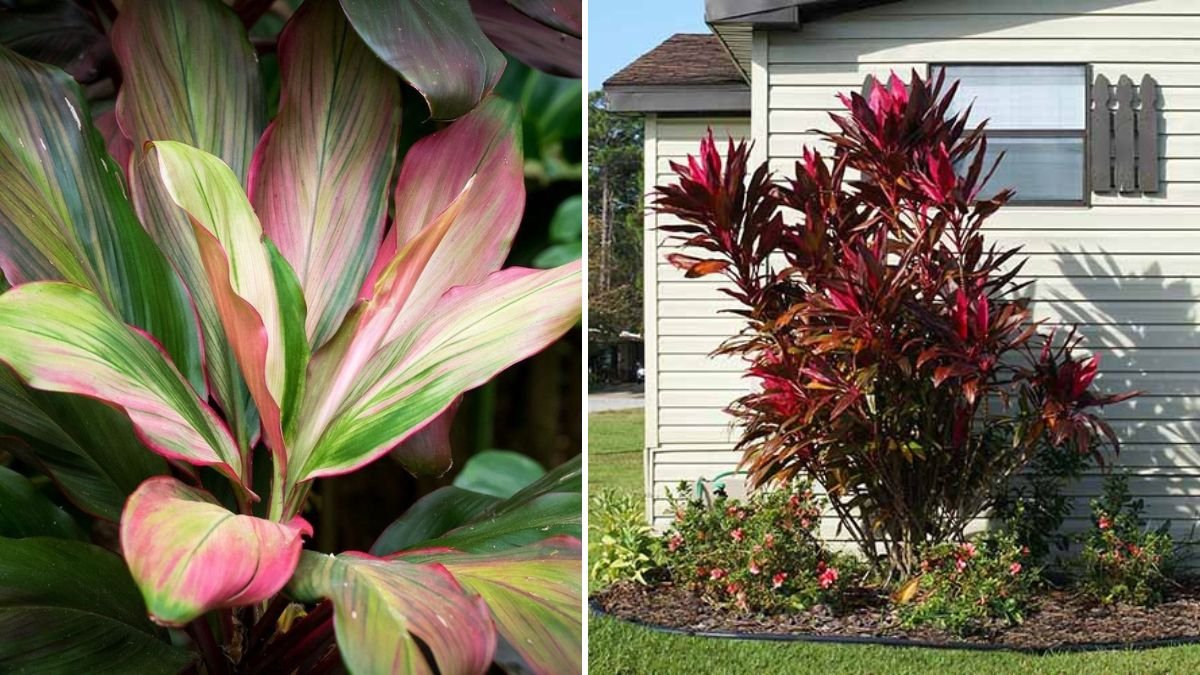
Ti plants, or Cordyline fruticosa, are tropical wonders known for their exquisite foliage and vibrant colors. Native to Southeast Asia, these plants have made their way across the globe, becoming popular additions to tropical gardens and landscape designs. With their striking leaves—ranging from deep green to vibrant red, pink, and purple—Ti plants can elevate any garden, patio, or indoor space. In this comprehensive guide, we’ll delve into the origins, growing conditions, care requirements, and creative ways to incorporate Ti plants into your landscape. We’ll also tackle some frequently asked questions to clear any doubts you might have.
1. Understanding the Ti Plant
1.1 Appearance and Varieties
Ti plants feature long, sword-like leaves that grow upright, giving them a unique and graceful form. Varieties can vary in color, size, and leaf texture. Some notable varieties include:
- Cordyline ‘Purple Star’: Features deep purple leaves with a star-like shape.
- Cordyline ‘Candy Cane’: Characterized by its striking red and green striped foliage.
- Cordyline ‘Tricolor’: Offers a blend of green, pink, and cream, providing a unique visual effect.
1.2 Cultural Significance
In many cultures, Ti plants hold symbolic meanings. In Hawaiian culture, they are considered sacred and often used in traditional ceremonies. The leaves are woven into leis, hats, and other ceremonial items. Beyond their aesthetic appeal, Ti plants are also believed to bring good luck and ward off evil spirits.
2. Growing Conditions
Ti plants thrive in specific conditions that must be closely managed to ensure their health and vibrancy.
2.1 Light Requirements
Ti plants prefer full sun to partial shade. While they can tolerate low-light conditions, their vibrant colors tend to fade without adequate sunlight. Aim for at least six hours of indirect sunlight daily for optimal growth.

2.2 Soil Preferences
A well-draining potting mix is essential for Ti plants. Using a mixture of potting soil, sand, and perlite will help ensure good drainage. The pH should ideally be between 6.0 and 7.0.
2.3 Watering Guidelines
These plants enjoy humidity but do not tolerate waterlogged soil. Water the plant when the surface of the soil feels dry to the touch. During hot and dry seasons, more frequent watering may be necessary.
2.4 Humidity and Temperature
Ti plants thrive in high humidity and prefer warm temperatures ranging from 65°F to 85°F (18°C to 29°C). In areas where humidity is low, consider misting the leaves or placing a humidifier nearby.
3. Planting Ti Plants
3.1 Choosing the Right Location
If planting outdoors, select a location that mimics their native tropical habitat. Ensure the spot receives ample sunlight while providing some protection from harsh winds.
3.2 Planting in Pots vs. Ground
Ti plants can thrive in both pots and garden beds. When planting in pots, choose containers with drainage holes to prevent root rot. For ground planting, ensure the soil is amended and well-draining.
3.3 Spacing Requirements
Whether planting in pots or the ground, space your Ti plants adequately to allow for their upright growth. Generally, 2 to 3 feet apart is recommended for outdoor arrangements.

4. Care and Maintenance
4.1 Fertilization
Feed Ti plants with a balanced fertilizer every 4-6 weeks during the growing season (spring and summer). A slow-release or liquid fertilizer works well to ensure continuous nourishment.
4.2 Pruning and Grooming
Regular pruning is essential to maintain the Ti plant’s shape and health. Remove any dead or yellowing leaves to promote healthy growth. Additionally, consider cutting back any overgrown stems to encourage bushier growth.
4.3 Pest Control
Ti plants can attract pests like spider mites, aphids, and mealybugs. Monitor the plants regularly for signs of infestation. Insecticidal soap or neem oil can help combat these pests effectively.
4.4 Repotting
If grown in pots, Ti plants may require repotting every 1-2 years. Choose a pot that is one size larger and refresh the soil to provide new nutrients.
5. Landscape Decoration Ideas
Ti plants are versatile and can be utilized in various landscaping styles. Here are some decoration ideas to inspire you:
5.1 Tropical Theme
Use Ti plants as focal points in a tropical garden. Pair them with other tropical plants like hibiscus, ferns, and palms. Arrange them in clusters for a lush, jungle-like appearance.

5.2 Containers and Patios
Create an inviting outdoor living area by placing Ti plants in decorative pots on patios, balconies, or entryways. Vary the heights and colors for added dimension.
5.3 Borders and Hedges
Plant Ti plants as hedges or borders to enhance privacy in your garden. Their colorful foliage can blend beautifully with other flowering shrubs and plants.
5.4 Indoor Decor
Ti plants can make stunning houseplants, adding a tropical touch to your indoor spaces. Place them in bright, sunny rooms, and use stylish pots that complement your interior decor.
5.5 Vertical Gardening
Consider incorporating Ti plants into vertical gardens or trellises. Their upright growth and striking colors can add a unique visual element to small spaces.
6. Seasonal Considerations
6.1 Protecting Winter Growth
In climates with freezing temperatures, it’s vital to protect your Ti plants. If planted outdoors, consider covering them with frost cloth or bringing pots indoors during winter.
6.2 Seasonal Changes in Care
During colder months, Ti plants may need less water and fertilizer. Monitor their moisture levels, and reduce feeding frequency when growth slows down.

7. Common Problems and Solutions
7.1 Leaf Discoloration
Yellowing leaves can indicate overwatering or nutrient deficiency. Check the moisture level and consider adjusting your fertilization schedule.
7.2 Pest Infestations
As mentioned, pests can be a problem. Regularly inspect your plants and treat infestations promptly using appropriate pest control methods.
7.3 Stunted Growth
If your Ti plant’s growth appears stunted, it might be root-bound or in need of more nutrients. Check the pot and consider repotting if necessary.
FAQs
1. Can Ti plants be grown indoors?
Yes, Ti plants can thrive indoors, provided they receive adequate sunlight and humidity.
2. Is the Ti plant toxic to pets?
Ti plants are generally considered non-toxic to cats and dogs but may cause mild stomach upset if ingested in large quantities.
3. What is the best time to plant Ti plants?

The best time to plant Ti plants is during the spring or early summer when temperatures are warmer.
4. How often should I water my Ti plant?
Water your Ti plant when the top inch of soil feels dry. Increased frequency may be needed in hotter months.
5. Can Ti plants survive in cold climates?
Ti plants are not frost-tolerant and should be protected in colder areas or grown indoors during winter.
6. How long does it take for Ti plants to grow?
Ti plants grow relatively quickly; you can expect noticeable growth within a few months under ideal conditions.
7. What are the best fertilizers for Ti plants?
A balanced liquid or slow-release fertilizer works best for Ti plants. Aim for monthly feedings during the growing season.
Conclusion
Ti plants are perfect additions to any landscape, thanks to their stunning foliage and versatile growing conditions. By understanding their needs and employing creative landscaping designs, you can create a stunning visual appeal in your garden, patio, or home. Whether you choose to use them as focal points or complementary plants, Ti plants will undoubtedly add an exotic flair to your space. Embrace the beauty of the Ti plant, and let it enhance your garden décor for years to come!