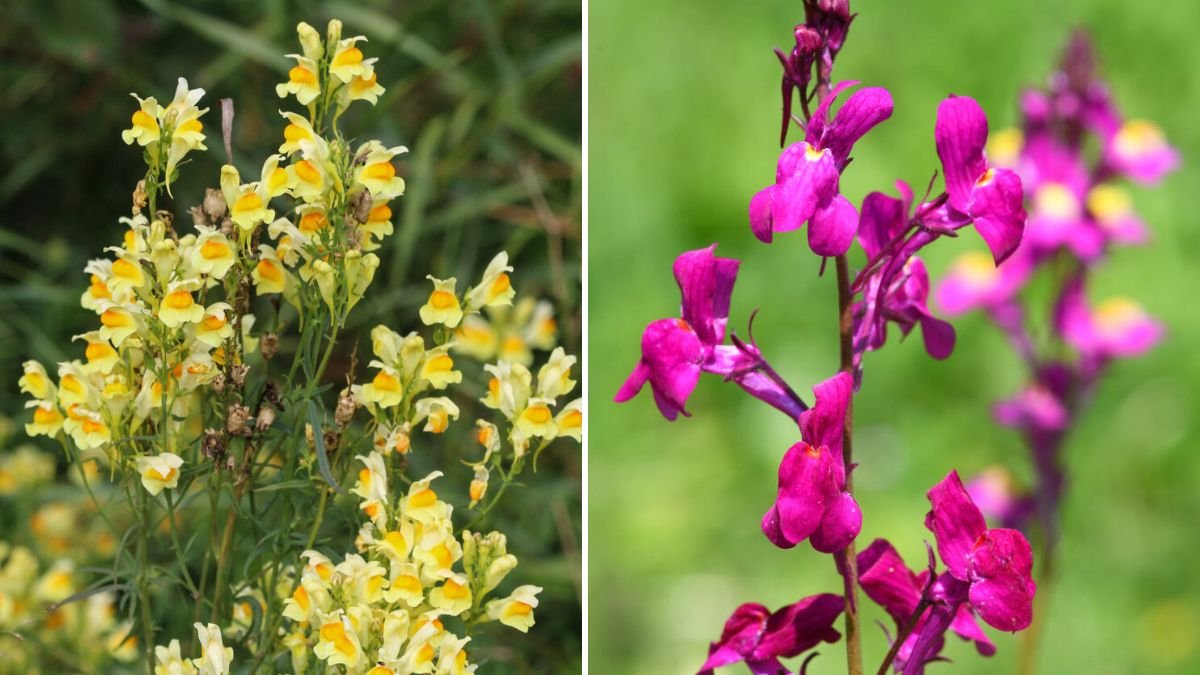
Linaria toadflax, commonly known as toadflax or butter-and-eggs, is a charming perennial that brings a colorful presence to gardens with its vibrant yellow and purple flowers. This plant is not just visually appealing; it also attracts beneficial pollinators, making it a wonderful addition to any garden. In this guide, we’ll delve into the essential techniques for growing Linaria toadflax, providing step-by-step instructions to ensure even beginners can succeed.
1. Understanding Linaria Toadflax
Linaria toadflax (Linaria vulgaris) belongs to the Plantaginaceae family. Native to Europe and parts of Asia, this perennial has adapted well to various climates and is often found in meadows and along roadsides. It’s characterized by its slender stems, delicate leaves, and drooping yellow flowers—sometimes featuring purple or orange hues.
Benefits of Growing Linaria Toadflax
- Pollinator-Friendly: Attracts bees, butterflies, and hummingbirds.
- Low Maintenance: Once established, it requires minimal care.
- Drought Tolerant: Well-suited for low-water gardens.
- Versatile: Suitable for borders, wildflower gardens, or even rock gardens.
2. Planting Linaria Toadflax
2.1 Choosing the Right Location
Select a location that receives full sun or partial shade. Toadflax thrives in well-draining soil but can adapt to various soil types. Here are factors to consider:
- Soil: Ensure the soil is loose, well-draining, and rich in organic matter.
- Sunlight: Aim for at least six hours of sunlight daily.
- Spacing: Plan for adequate spacing; allow about 12-18 inches between plants to promote airflow.

2.2 Preparing the Soil
Preparation is key to healthy growth. Follow these steps:
- Clear the Area: Remove weeds, rocks, and debris.
- Soil Testing: If desired, test your soil to determine pH levels. Linaria thrives in slightly acidic to neutral soil (pH 6.0 to 7.5).
- Enrich the Soil: Amend the soil with compost or well-rotted manure to improve fertility.
2.3 Planting Techniques
You can propagate Linaria toadflax through seeds or division.
2.3.1 Seed Propagation
-
Sowing Seeds Indoors: Start seeds indoors about 6-8 weeks before the last frost.
- Mix: Use a seed-starting mix.
- Sow: Sprinkle seeds on the surface, lightly pressing them into the soil. Don’t cover them deeply as they need light to germinate.
- Water: Moisten the soil but avoid overwatering.
-
Transplanting Outdoors:
- Once the seedlings have at least two sets of leaves and after the last frost, transplant them outdoors.
- Dig holes corresponding to the size of the seedlings and transplant carefully.

2.3.2 Division
If you have existing Linaria plants, divide them every 2-3 years in early spring or fall.
- Dig Up the Plant: Use a garden fork to gently lift the plant from its location.
- Separate the Clumps: Carefully split the root ball into smaller sections ensuring each section has roots and shoots.
- Re-Plant: Prepare the holes and re-plant the divided sections promptly.
3. Care and Maintenance
3.1 Watering
Linaria toadflax is drought-tolerant, but regular watering is essential during the first few weeks post-planting. Once established, water when the soil feels dry, especially in prolonged dry spells, but avoid waterlogging.
3.2 Fertilizing
Fertilization should be carried out during the growing season:

- Spring: Apply a balanced fertilizer or compost in the spring to boost growth.
- Mid-Season: A second application can encourage additional blooming.
3.3 Pruning and Deadheading
Regular pruning and deadheading extend the flowering period:
- Deadheading: Remove spent flowers to encourage new blooms and reduce self-seeding.
- Pruning: Cut back the plant after flowering to maintain its shape and promote healthy growth.
3.4 Pest and Disease Management
Linaria is relatively pest-resistant, but occasional issues may arise:
- Aphids: These small pests can be managed using insecticidal soap.
- Powdery Mildew: This fungal disease occurs in humid conditions; ensure proper spacing for airflow and avoid overhead watering.
4. Harvesting and Using Linaria Toadflax
Although Linaria toadflax is primarily ornamental, its flowers can be used in various ways:
- Cut Flowers: Use them in bouquets or floral arrangements; they can last up to two weeks in water.
- Edible Flowers: The flowers are edible and can be used to garnish salads or desserts.

5. Troubleshooting Common Problems
5.1 Poor Germination
If seeds fail to germinate, check for:
- Seed Quality: Ensure you’re using fresh, viable seeds.
- Light Conditions: Seeds require light; avoid planting too deep.
- Moisture Levels: Keep the soil consistently moist without being soggy.
5.2 Weak Growth
If the plants seem spindly or weak, consider:
- Nutrient Deficiency: A soil test can reveal nutrient needs. Amend accordingly.
- Shady Conditions: Insufficient sunlight can lead to weak growth. Relocate or trim surrounding plants if necessary.
6. FAQs
6.1 How long does it take for Linaria toadflax to bloom?
Usually, Linaria toadflax will bloom around 60-90 days after planting, depending on the growing conditions.

6.2 Can Linaria toadflax survive winter?
Yes, Linaria is a hardy perennial and can survive winter in various climates. In colder areas, a layer of mulch can protect the roots.
6.3 Is Linaria toadflax invasive?
In some regions, Linaria can spread aggressively. Monitor its growth and manage self-seeding by deadheading flowers.
6.4 How do I attract pollinators to my garden?
Plant Linaria toadflax alongside other native flowers, avoid pesticides, and provide a variety of bloom times to attract bees, butterflies, and hummingbirds.
6.5 When should I divide my Linaria plants?
The best time to divide Linaria toadflax is in early spring or fall, every 2-3 years when the plants become overcrowded.
6.6 Can Linaria toadflax be grown in pots?
Yes, Linaria can be grown in containers. Be sure to use a pot with drainage holes and a well-draining soil mix.
Conclusion
Growing Linaria toadflax is a delightful addition to any gardener’s repertoire. With relatively low maintenance and a knack for attracting pollinators, this stunning flower can brighten up any outdoor space. By following these simple techniques and tips, even beginners will have the tools they need to cultivate a thriving patch of Linaria in their own garden. Happy gardening!