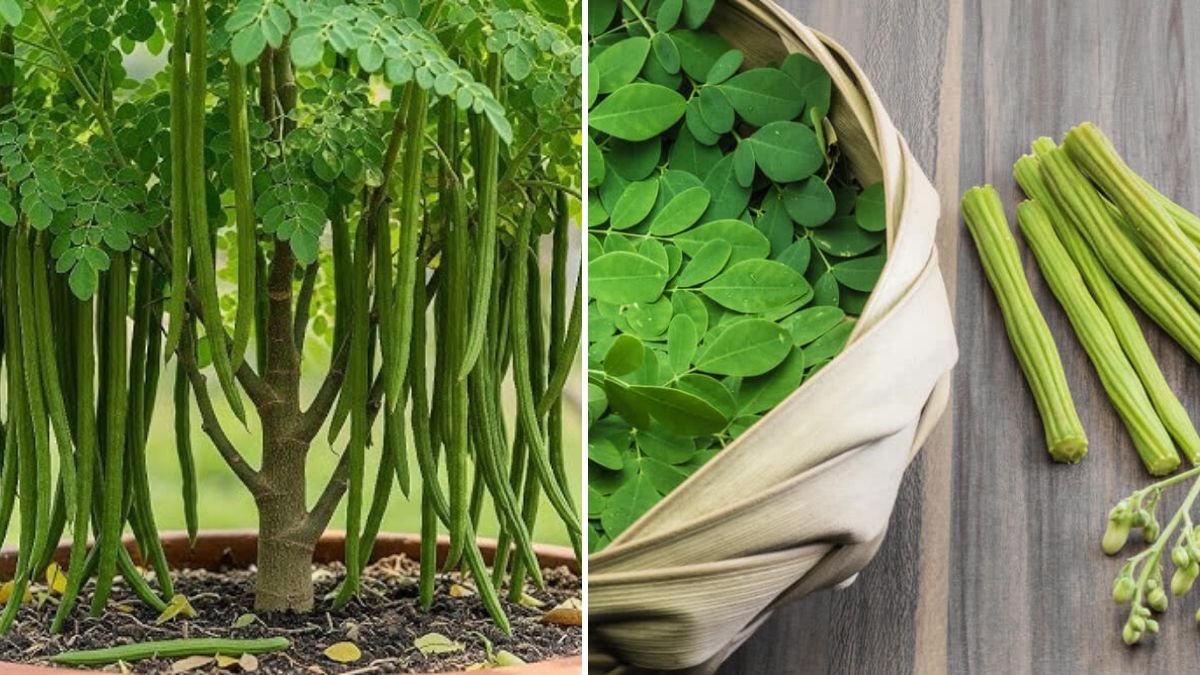
Moringa, often referred to as the “drumstick tree” or “miracle tree,” has garnered immense popularity in recent years due to its rich nutritional profile and various health benefits. Growing moringa trees at home can be a fulfilling venture, whether you’re motivated by their culinary uses or their medicinal properties. This guide will take you through everything you need to know about growing moringa trees at home, tailored specifically for beginners.
What is Moringa?
Moringa (Moringa oleifera) is a fast-growing, drought-resistant tree native to the Indian subcontinent. It thrives in tropical and subtropical climates. Known for its nutrient-dense leaves, seed pods, and flowers, moringa is often used in traditional medicine, nutrition, and even cosmetics.
Nutritional Benefits
The leaves of the moringa tree are packed with essential vitamins and minerals, including:
- Vitamin A: Supports eye health.
- Vitamin C: Boosts the immune system.
- Calcium: Essential for bone health.
- Iron: Important for blood production.
- Protein: Moringa leaves contain all essential amino acids, making them a complete protein source.
Apart from its broad nutritional profile, moringa has also been linked to various health benefits, including reducing inflammation, lowering blood sugar levels, and improving digestive health.

Ideal Growing Conditions
Climate
Moringa trees thrive in warm climates and are sensitive to frost. Ideally, temperatures should range between 65°F and 75°F (18°C – 24°C). In colder regions, consider growing moringa in pots so you can move them indoors during winter.
Soil Requirements
Moringa trees are not very picky about soil; however, they prefer well-drained sandy or loamy soil with a pH range of 6.0 to 7.0. Good drainage is crucial, as moringa trees do not tolerate waterlogged conditions.
Watering
While moringa is drought-resistant, young trees need regular watering to establish their root systems. Ensure the soil is moist but not overly saturated. Once established, you can water them less frequently.
Selecting the Right Seeds or Seedlings
You can either start moringa from seeds or purchase young plants from a nursery.
Starting from Seeds
- Obtaining Seeds: Purchase high-quality seeds from a reliable source to ensure germination.
- Preparing Seeds: Soak the seeds in water for 24 hours to accelerate germination.
- Planting: Plant each seed about 1 inch deep in the soil, approximately 3 feet apart.
- Germination: Seeds typically germinate within 1-2 weeks.

Buying Seedlings
Alternatively, you can buy 6-12 inch seedlings from a local nursery. When planting seedlings, ensure the hole is twice as wide as the root ball to allow for growth.
Step-by-Step Planting Guide
- Choose the Right Location: Find a sunny spot in your garden that receives at least 6-8 hours of sunlight daily.
- Prepare the Soil: Amend the soil with compost or organic matter to improve fertility.
- Planting: Whether starting from seed or transplanting seedlings, ensure the roots are securely in the ground, with the crown of the plant level with the soil surface.
- Watering: Water the newly planted seeds or seedlings thoroughly.
Caring for Your Moringa Tree
Fertilization
Moringa trees do not require heavy fertilization. A balanced, slow-release fertilizer can be applied every 6-8 weeks during the growing season. Be cautious not to over-fertilize, as this can lead to excessive leaf growth at the expense of flowers and pods.
Pruning
Regular pruning encourages bushier growth and promotes the production of more leaves and pods. Remove any dead or damaged branches to keep your tree healthy.

Pest and Disease Management
Moringa is generally pest-resistant, but keep an eye out for common pests like aphids and caterpillars. Natural insecticides or neem oil can be effective. For diseases, ensure good air circulation around the tree and avoid overwatering.
Harvesting Moringa
When to Harvest
You can start harvesting moringa leaves about 2-3 months after planting. The seed pods, which are edible and highly nutritious, can be harvested when they are young and tender.
How to Harvest
- Leaves: Use scissors or pruning shears to snip off branches with plenty of leaves. Always leave some foliage to ensure the tree remains healthy.
- Pods: Harvest pods when they are young, plump, and green. Once they begin to harden and turn brown, they are no longer edible.
Culinary Uses of Moringa
Moringa leaves can be consumed in various ways:
- Salads: Fresh leaves can be added to salads.
- Soups: Add moringa leaves to soups for an extra nutritional boost.
- Smoothies: Blend leaves into smoothies for a healthy drink.
- Tea: Dried moringa leaves can be brewed into a nutritious tea.

Frequently Asked Questions (FAQs)
1. Can I grow moringa indoors?
Yes, moringa can be grown indoors in pots, provided they receive adequate sunlight. Place them near a south-facing window.
2. How often should I water my moringa tree?
For young trees, water regularly to keep the soil moist. Once established, you can water them less frequently, allowing the soil to dry between waterings.
3. How fast does a moringa tree grow?
Moringa trees are fast growers. Under optimal conditions, they can reach heights of up to 10 feet within a year.
4. Are moringa leaves safe to eat raw?
Yes, moringa leaves are safe to eat raw, provided they have been washed thoroughly. However, some people prefer to cook them to enhance flavor.
5. Is moringa resistant to pests?

Moringa is generally resistant to pests, but it’s wise to monitor for common pests like aphids and caterpillars.
6. Can I grow moringa from cuttings?
Yes, you can propagate moringa from cuttings. Use healthy, green stems and place them in water until roots develop.
7. What is the ideal temperature for growing moringa?
Moringa trees thrive in temperatures between 65°F and 75°F (18°C – 24°C). They are sensitive to frost.
8. How long does it take for moringa to produce seeds?
Moringa trees will start producing pods, which contain seeds, in about 6-8 months after planting.
Conclusion
Growing moringa trees at home can be a rewarding experience, providing nutritional benefits and a delightful addition to your garden. By following the guidelines outlined in this article, beginners can cultivate healthy moringa trees that thrive in their environment. Enjoy the journey of nurturing your moringa tree, and reap the many rewards it has to offer!