Introduction
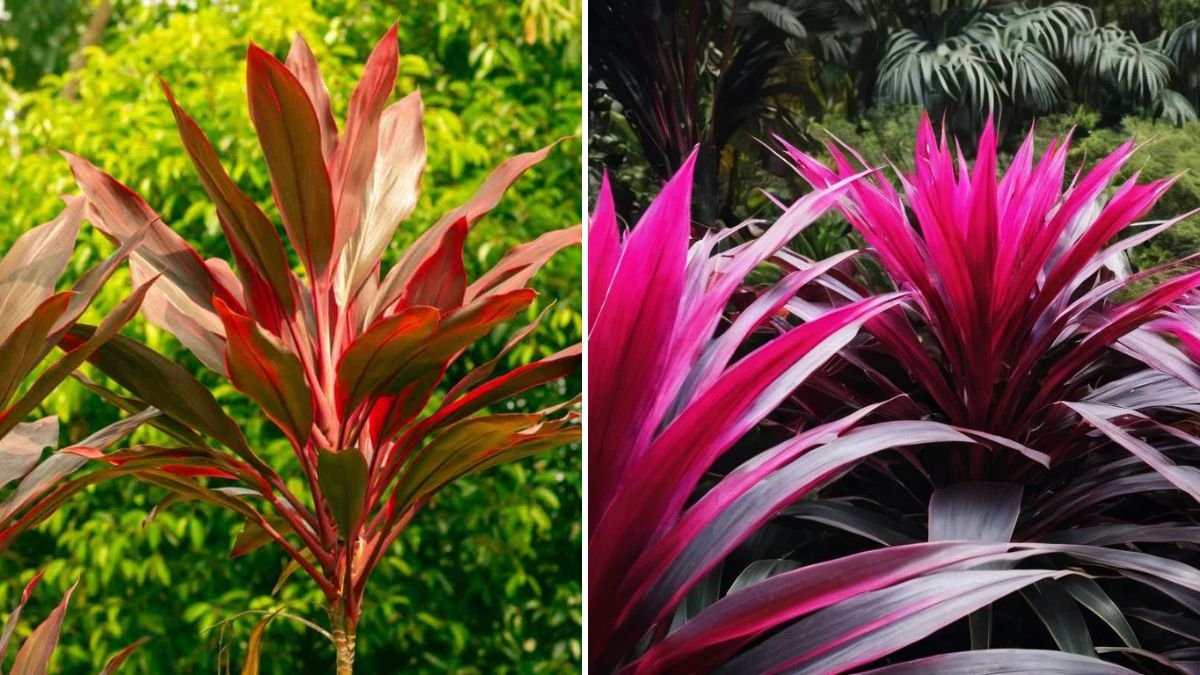
Cordyline, often referred to as ti plant or cabbage tree, is a stunning addition to any garden due to its vibrant foliage and striking form. With its spectacular array of colors, including shades of green, red, and purple, Cordyline can serve as a centerpiece or a complementary plant in various landscaping designs. This article will explore the best methods to grow Cordyline effectively, ensuring your garden flourishes with visual appeal.
Understanding Cordyline
Origin and Characteristics
Cordyline originates from tropical and subtropical regions, making it well-suited for warm climates. It is known for its long, sword-like leaves that can grow in rosettes on the top of tall stems. The leaves may vary in color and size, allowing gardeners to select species that best match their aesthetic preference.
Types of Cordyline
While there are many species, the most common varieties grown for ornamental purposes include:
- Cordyline fruticosa: Known for its dramatic, colorful foliage.
- Cordyline australis: Features a more tree-like appearance with broad green leaves.
- Cordyline terminalis: Often boasts vibrant purple and red hues.
Ideal Conditions for Growing Cordyline
To ensure the healthiest growth and vibrant colors, it is essential to provide optimal growing conditions:

Climate
Cordyline thrives in warm climates with temperatures between 65°F (18°C) and 85°F (30°C). It does not tolerate frost, so if you live in colder regions, consider placing Cordyline in pots that can be moved indoors or into a greenhouse during winter.
Soil Requirements
Cordyline prefers well-draining soil rich in organic matter. A slightly acidic to neutral pH level (between 6.0 and 7.0) is ideal. If your soil is heavy clay, amend it with compost or sand to improve drainage.
Sunlight
Most Cordyline varieties grow best in full sun to partial shade. However, excessive sunlight can scorch the leaves, especially for those with lighter foliage. If you notice leaf burn, consider providing some afternoon shade.
Watering Needs
Cordyline plants prefer consistently moist soil but do not tolerate waterlogged conditions. Water them regularly, allowing the top inch of soil to dry out between sessions. During extremely hot weather, you might need to increase watering frequency.
Planting Cordyline
Choosing the Right Location

Select a spot that provides adequate sunlight while ensuring good drainage. Consider the height and spread of mature Cordyline plants to avoid overcrowding with other plants.
Propagation Techniques
Cordyline can be propagated through seeds, cuttings, or division.
-
Seeds: Start seeds indoors in a seed-starter mix. Germinate them at a temperature of about 70°F (21°C). After they sprout, transplant them into larger pots.
-
Cuttings: Take cuttings from healthy plants in spring or early summer. Use a sharp knife to cut stem sections around 4-6 inches long. Ensure each cutting has at least a few leaves. Dip the end in rooting hormone and plant it in moistened potting mix.
-
Division: For mature plants, removing a section of the root ball allows for easy propagation. Ensure that each division has roots and leaves, then plant immediately.
Planting Procedure
- Prepare a hole that is twice the width of the root ball and equal depth.
- Add organic compost to the hole for nutrients.
- Place the plant in the hole, ensuring that the root ball is level with the surrounding soil surface.
- Fill in with soil, firm it gently, and water generously.

Caring for Cordyline
Fertilization
Feed your Cordyline with a balanced liquid fertilizer every 4-6 weeks during the growing season (spring through early fall). This will encourage robust growth and vibrant colors.
Pruning
For shape and health, prune your plants as needed. Remove dead or yellowing leaves to promote new growth. If a Cordyline becomes leggy, you can cut back the stems to encourage bushier growth.
Pest and Disease Management
Common pests include spider mites and mealybugs. Use insecticidal soap or neem oil to control infestations. Cordyline is generally disease-resistant, but overwatering can lead to root rot, so ensure proper watering practices.
Designing Your Garden with Cordyline
Incorporating Cordyline into Your Landscape
Cordyline can be used in various landscaping designs, including:

- Focal Points: Utilize taller varieties as standout features in garden beds.
- Container Gardening: Perfect for patios, balconies, or entranceways. Choose decorative pots to enhance their aesthetic appeal.
- Tropical Themes: Combine them with other tropical plants like hibiscus and palms to create an exotic garden atmosphere.
- Mixed Borders: Use lower-growing varieties to introduce color and texture into mixed flower beds.
Companion Planting
Consider complementing Cordyline with other plants that can thrive in similar conditions:
- Ferns: Provide a lovely contrast with their lush greenery.
- Ornamental Grasses: Add movement and texture.
- Flowers: Integrate colorful blooms for added interest.
FAQs
1. Can Cordyline be grown indoors?
Yes, Cordyline can be grown indoors as long as they receive sufficient sunlight. Make sure to place them near a bright window and monitor their water needs closely.

2. How fast does Cordyline grow?
The growth rate of Cordyline varies by species and conditions but generally ranges from 1 to 3 feet per year under optimal conditions.
3. Why are the leaves of my Cordyline turning brown?
Brown leaves can indicate underwatering, overexposure to sun, or low humidity levels. Adjust watering practices and provide some shade if necessary.
4. How often should I fertilize my Cordyline?
Fertilize your Cordyline every 4-6 weeks during the growing season for optimal growth. Reduce fertilization in winter when the plant is dormant.
5. Is Cordyline poisonous to pets?
Cordyline is considered non-toxic to pets. However, as with any plant, it’s best to avoid letting pets chew on them.
Conclusion
Growing Cordyline can transform your garden into a vibrant paradise. With the right care, attention, and design strategies, these striking plants can provide awe-inspiring beauty and architectural interest to your outdoor space. By understanding their needs and integrating them thoughtfully into your landscape, you can ensure your garden flourishes with stunning decor year-round. Happy gardening!