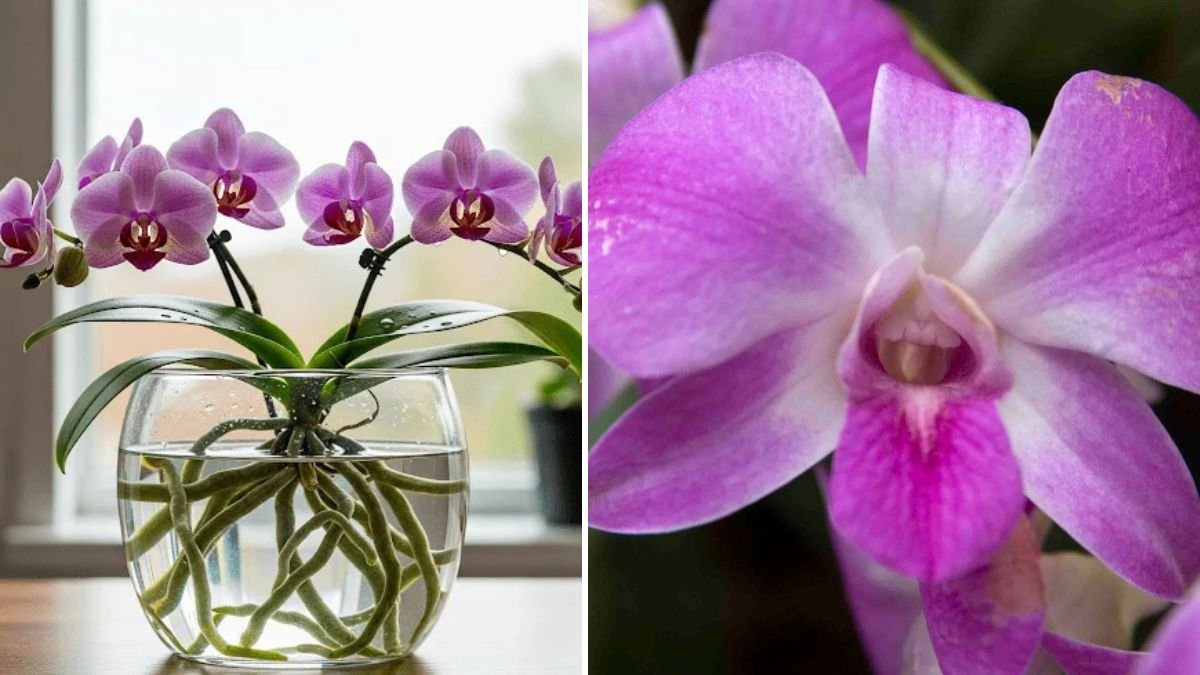
Orchids are among the most beautiful and sought-after flowering plants globally, and the Dendrobium variety stands out for its vibrant colors, graceful growth habits, and various forms. If you’re looking to cultivate these stunning plants indoors, this guide will provide you with everything you need to know about successfully growing Dendrobium orchids at home.
Understanding Dendrobium Orchids
What are Dendrobium Orchids?
Dendrobium orchids are part of a vast genus of orchids that comprises over 1,800 species. Native to tropical and subtropical regions, particularly in Asia and Australia, they thrive in diverse environments ranging from rainforests to mountainous areas.
Key Characteristics
- Growth Habit: Dendrobiums are typically epiphytic, meaning they grow on other plants rather than in soil. However, some Dendrobium species may also grow in terrestrial (ground) habitats.
- Flowering: They boast striking flowers that can vary significantly in size, shape, and color. Blooms may last several weeks, offering a long-lasting display.
- Growth Forms: Dendrobiums can be categorized into two main types:
- Hard canes: These are more common and produce flowers on older canes.
- Soft canes: These are generally smaller and produce flowers on new growth.
Essential Growing Conditions
Light Requirements

Dendrobium orchids thrive in bright, indirect light. Ideally, they should be placed near east or west-facing windows where they can receive filtered sunlight. Excessive direct sunlight can scorch their leaves, while inadequate light can hinder flowering.
Temperature and Humidity
- Temperature: Dendrobiums prefer a temperature range between 65°F to 80°F (18°C to 27°C) during the day and a drop of about 10°F (5°C) at night for optimal growth.
- Humidity: These orchids thrive in humid environments, preferably around 50% to 70%. If your home is dry, consider using a humidity tray or a humidifier to maintain moisture levels.
Potting Medium
Dendrobiums require well-draining potting media. A mix consisting of bark, perlite, and sphagnum moss is ideal. This combination ensures proper aeration and moisture retention without suffocating the roots.
Container Choice
Choose pots with ample drainage holes. Plastic or clay pots are common; however, clay pots help in absorbing excess moisture and are excellent for orchids.
Watering Practices
Watering Frequency
Dendrobiums need regular watering but should not be waterlogged. The general rule is to water them when the top inch of the media feels dry. Depending on the environment, this could be weekly or bi-weekly.

Water Quality
Use distilled, rainwater, or tap water that has been allowed to sit for 24 hours to reduce chlorine levels. Water in the morning to allow any excess moisture to evaporate.
Fertilization
Fertilizer Type
Dendrobium orchids benefit from balanced fertilizers high in potassium. Use a 30-10-10 formula during the growing season (spring and summer) and reduce to a balanced 20-20-20 formula during the dormant period in fall and winter.
Application Method
- Dilution: Always dilute fertilizers to half-strength to avoid burning the roots.
- Frequency: Fertilize every two to four weeks during the growing season and cease during dormancy.
Pruning and Maintenance
When to Prune
Once the flowering period ends, it’s the right time to prune. Cut back spent flower spikes to just above a node to encourage new growth.
Other Maintenance Tips

- Cleaning: Wipe leaves occasionally to remove dust and keep them healthy.
- Repotting: Repot every 1-2 years to refresh the potting medium and provide room for root growth.
Pest and Disease Management
Common Pests
- Aphids: Look for sticky residue on leaves; treat with insecticidal soap.
- Mealybugs: Cotton-like clusters signify infestation; remove manually and treat with insecticidal soap or neem oil.
- Spider Mites: Fine webbing indicates their presence; increase humidity and use miticides if necessary.
Diseases
- Root Rot: Caused by overwatering; ensure proper drainage and adjust watering practices.
- Fungal Infections: Grey mold or black spots on leaves can be indicative; treat with fungicides and improve air circulation.
Encouraging Blooms
Dendrobium orchids are known for their beautiful blooms, and with the right care, they can flower prolifically. Here are some tips to encourage blooming:

- Light Manipulation: As blooming approaches, increasing light can trigger flower development.
- Temperature Regulation: Hormonal changes due to temperature shifts can encourage blooming; ensure night temperatures are lower for 2-4 weeks before blooming season.
- Proper Watering: As the plant prepares to flower, slightly reduce watering but do not let them dry out completely.
Frequently Asked Questions (FAQs)
1. How often should I water my Dendrobium orchid?
Water when the top of the potting medium feels dry, which is usually weekly or bi-weekly, depending on environmental conditions.
2. Why are the leaves turning yellow?
Yellowing leaves may indicate either overwatering, poor drainage, or insufficient light. Evaluate your care regimen to identify the issue.
3. How can I prevent pests?
Maintain good air circulation and humidity. Regularly inspect your plants and treat any infestations promptly with appropriate measures.
4. How can I tell if my orchid needs repotting?
If your orchid is root-bound (roots are tightly packed) or the medium is breaking down (often seen as a brown, mushy compost), it’s time to repot.

5. When will my Dendrobium bloom?
Dendrobiums generally bloom once a year, but this can vary based on environmental conditions. Ensure they receive the right light and care to promote blooming.
6. Can I grow Dendrobium orchids in a low-light environment?
While Dendrobiums can tolerate lower light levels, they thrive and bloom best in bright, indirect light. Consider supplemental lighting if necessary.
7. Should I remove the flower spikes after blooming?
You can remove the flower spikes to encourage new growth, but it’s often better to leave them until they turn brown.
8. Is it normal for Dendrobium leaves to drop?
Yes, some Dendrobium species can lose leaves as part of their natural growth cycle, especially after blooming. Ensure they have the right water and light conditions.
Conclusion
Growing Dendrobium orchids in your home can be a rewarding endeavor. With proper care, attention to their specific needs, and a little patience, you can enjoy beautiful blooms year after year. Remember that like any plant, they may require adjustments to your care every season, but with this guide at your fingertips, you should be well on your way to becoming an orchid enthusiast!