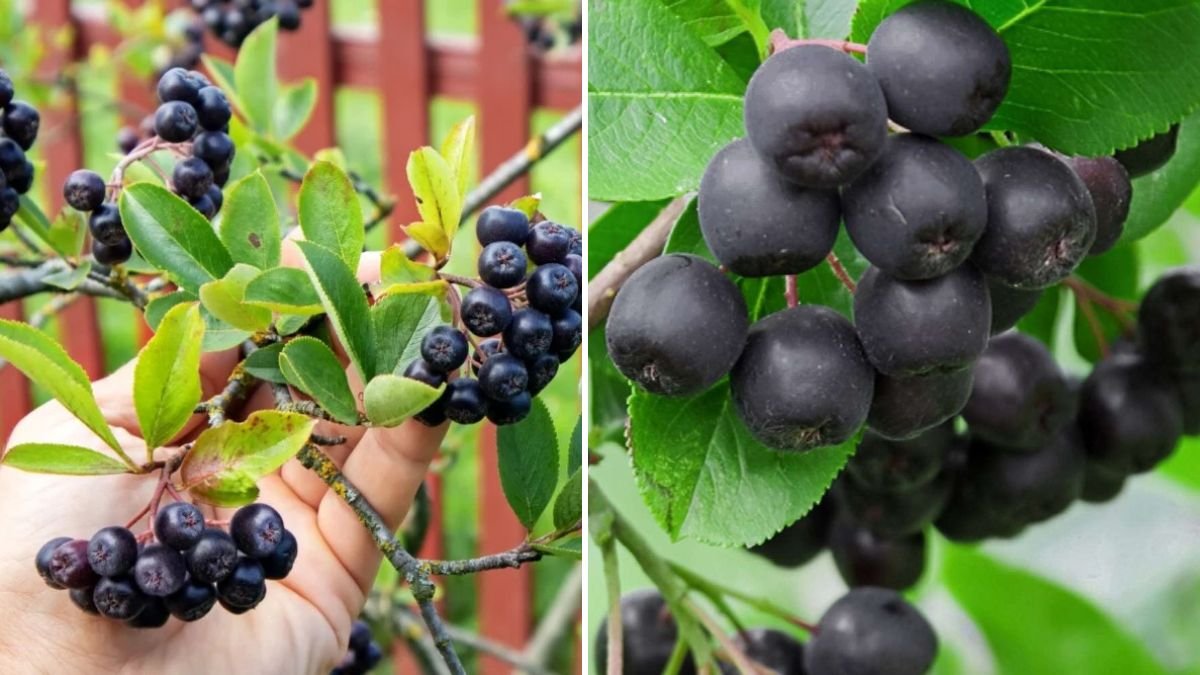
Chokeberries, known scientifically as Aronia, are gaining popularity among Canadian farmers and gardeners for their resilience and multifaceted benefits. Originating from North America, these small, berry-producing shrubs have adapted well to diverse climates, including the chilly Canadian winters. This article will explore effective strategies for cultivating chokeberries in Canada, ensuring optimal yield and sustainability.
Understanding Chokeberry
Chokeberries, specifically Aronia melanocarpa (black chokeberry) and Aronia prunifolia (purple chokeberry), are deciduous shrubs that produce clusters of berries rich in antioxidants, vitamins, and minerals. Their tart flavor profile makes them versatile for various culinary applications—ranging from jams to wines and snacks. Additionally, chokeberries offer several benefits, such as soil erosion control, providing habitat for wildlife, and enhancing biodiversity in agricultural landscapes.
Benefits of Growing Chokeberry
-
High Nutritional Value: Chokeberries are renowned for their health benefits, containing high levels of anthocyanins, flavonoids, and vitamin C. They are often labeled as superfoods due to their potential health benefits, including anti-inflammatory and antioxidant properties.
-
Hardy Nature: One of the most significant advantages of chokeberries is their adaptability to various soil conditions and climates. They thrive in USDA Hardiness Zones 3-8, making them an excellent choice for regions across Canada.
-
Low Maintenance: Chokeberries require minimal maintenance once established. They are resistant to many pests and diseases, making them an ideal crop for organic farming.
-
Versatility: Beyond their culinary uses, chokeberries can be utilized in landscaping due to their attractive white flowers in spring and vibrant red foliage in fall.
Ideal Growing Conditions
To achieve optimal yields, growers must create an environment that caters to chokeberry plants’ natural preferences.

Soil Requirements
Chokeberries flourish in well-drained, loamy soils. They prefer slightly acidic to neutral pH levels (around 5.5 to 7.0). Conducting a soil test is a crucial first step to determine the pH and nutrient levels. If the soil is too alkaline, organic matter like peat moss can be added to lower the pH.
Sunlight
These hardy shrubs thrive in full sun but can tolerate partial shade. Ideally, they should receive at least 6-8 hours of direct sunlight daily. Sunlight not only boosts berry production but also enhances the berry’s flavor profile and antioxidant content.
Watering
While chokeberries are drought-tolerant once established, they require regular watering during their initial growth phase. A consistent watering schedule is essential, especially during dry spells. Avoid overwatering, as it can lead to root rot.
Temperature Tolerance
Chokeberries can endure cold winters, withstanding temperatures as low as -30°C (-22°F). However, it’s wise to plant them later in spring or early summer to allow them to establish strong roots before facing harsh winter conditions.
Planting Strategies
Choosing the Right Variety
Selecting the right variety is crucial for maximizing yield and adapting to specific regional climates. The most common chokeberry varieties include:
-
Black Chokeberry (Aronia melanocarpa): Known for its deep black fruit and health benefits, it thrives in various soil conditions.
-
Red Chokeberry (Aronia arbutifolia): The red berries have a tart flavor and are often used in jams and jellies. They are also more tolerant of wet soil conditions.
-
Purple Chokeberry (Aronia prunifolia): This variety has a unique flavor profile and features both ornamental foliage and fruit.

Planting Time
The ideal time to plant chokeberries in Canada is during the spring after the last frost. By planting in spring, the plants have ample time to establish their root systems before winter sets in.
Spacing
Proper spacing is essential for ensuring healthy growth. Space chokeberry plants about 1.5 to 2 meters (5 to 6 feet) apart to allow proper air circulation and access to sunlight. For a hedge or barrier, a closer spacing can be utilized.
Planting Technique
-
Prepare the Soil: Remove weeds, rocks, and debris from the planting area.
-
Digging Holes: Create holes that are twice the width and depth of the root ball to facilitate root development.
-
Positioning: Place the shrub in the hole, ensuring the root collar is level with the soil surface.
-
Backfilling: Fill the hole with soil and gently tamp it down to eliminate air pockets. Water thoroughly after planting.

Maintenance Practices for Optimal Growth
Pruning
Pruning chokeberries is vital for maintaining plant health and maximizing yield. It is recommended to prune during late winter or early spring when the plants are dormant. Focus on removing dead or crossing branches to ensure better air circulation and sunlight access.
Fertilizing
Chokeberries require soil with adequate nutrients. A balanced fertilizer—such as 10-10-10 NPK—can be applied in early spring before bud break. Avoid over-fertilizing, as this can lead to excessive foliage growth at the expense of fruit production.
Pest Management
While chokeberries are generally pest-resistant, monitoring for common pests like aphids and spider mites is essential. Utilizing natural predators such as ladybugs, or applying insecticidal soap, can help manage infestations without harming beneficial insects.
Disease Control
Chokeberries can be susceptible to various diseases, particularly in overly wet conditions. Fungal infections such as powdery mildew can occur; hence, proper spacing, good airflow, and avoiding overhead watering can mitigate risks. Regularly inspect plants for signs of disease to address issues promptly.
Harvesting Techniques

Timing
The optimal time for harvesting chokeberries is in late summer to early fall when the berries turn a deep black color. Berries should be firm, plump, and easily removed from the stem.
Harvesting Method
Using a gentle twisting motion can ensure that the entire cluster is removed without damaging the plant. Wearing gloves is advisable, as the juices from ripe chokeberries can stain the skin.
Post-Harvest Handling
Storage
Chokeberries can be stored in the refrigerator for a short period or frozen for long-term storage. They can also be dried or processed into juice, jams, or jellies.
Marketing Opportunities
Chokeberries present a unique market opportunity. With the rise of health-conscious consumers, marketing chokeberries as a superfood can enhance their appeal. Local farmers’ markets, health food stores, and online platforms provide valuable avenues to reach prospective buyers.
FAQs
1. What are the best chokeberry varieties for Canadian climates?
The best varieties for Canadian climates are Aronia melanocarpa (black chokeberry) and Aronia arbutifolia (red chokeberry), as they can withstand colder temperatures and thrive in diverse soil conditions.
2. How long does it take for chokeberries to produce fruit?

Chokeberry shrubs typically begin to produce fruit in their second to third year after planting, with optimal yields seen from the fourth year onward.
3. Can chokeberries grow in containers?
Yes! Chokeberries can grow in containers but ensure they have ample space, as they can grow quite large. Choose a pot that is at least 45-60 cm (18-24 inches) deep.
4. How do I know when to harvest chokeberries?
Chokeberries are ready for harvest when they turn dark black, are firm and plump, and easily detach from the stem with a gentle twist.
5. Are chokeberries prone to any pests or diseases?
While chokeberries are relatively pest and disease-resistant, they can be affected by aphids and powdery mildew. Maintaining good airflow and monitoring the plants can help prevent these issues.
6. Can chokeberries be consumed raw?
Yes, chokeberries are edible, but they have a tart flavor. Many people prefer to use them in jams, jellies, or baked goods after sweetening them.
Conclusion
Growing chokeberries in Canadian climates presents a unique opportunity for sustainable agriculture. With their dietary benefits, low maintenance requirements, and versatility, chokeberries are becoming a favored crop for both commercial growers and home gardeners. By employing the effective strategies outlined in this article— covering soil preparation, planting techniques, maintenance practices, and harvest methods—growers can maximize yield and successfully cultivate chokeberries in their gardens. Embracing this hardy, nutritious plant not only supports individual health but also contributes to a sustainable agricultural future in Canada.