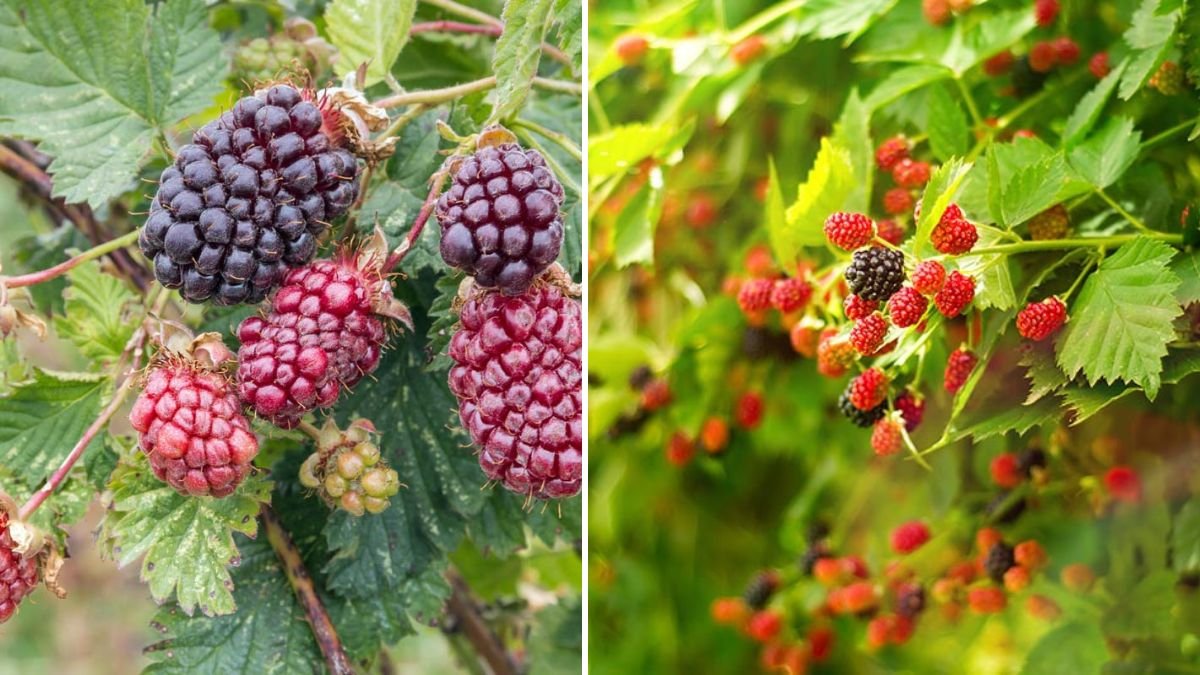
Boysenberries are a delectable hybrid fruit, crossing blackberries, raspberries, and loganberries. Their rich, tangy flavor is irresistible, making them perfect for jams, pies, and fresh eating. If you’re considering growing boysenberries at home, you’ll find that with the right care and conditions, you can enjoy a bountiful harvest. This comprehensive guide will cover everything you need to know, from selecting the right location to troubleshooting common issues.
Understanding Boysenberry Plants
Origin and Characteristics
Boysenberries were developed in the 1920s by a horticulturist named Rudolph Boysen in California. They are known for their large, juicy berries with a deep maroon to purple hue. Boysenberries thrive in warm climates and can produce fruit from mid-summer to early autumn, depending on the variety.
Key Benefits of Growing Boysenberries
- Flavor: Their unique taste is a delightful mix of sweetness and tartness.
- Nutrition: Boysenberries are loaded with vitamins, minerals, and antioxidants that are beneficial for your health.
- Versatility: You can use them in various dishes such as desserts, sauces, and salads.
- Garden Aesthetics: Their lush green foliage and vibrant berries can enhance your garden’s beauty.
Choosing the Right Location
Sunlight Requirements
Boysenberries thrive in full sun, needing at least 6-8 hours of direct sunlight daily. Selecting a location that meets these sunlight requirements is crucial for healthy growth and berry production.
Soil Considerations

Well-draining, slightly acidic soil with a pH level between 5.5 and 7.0 is ideal for boysenberries. Sandy loam or loamy soil enriched with organic matter can provide the necessary nutrients.
Spacing and Support
Due to their trailing growth habit, boysenberries require adequate space and support. Plan to space plants about 3-4 feet apart in rows that are 5-6 feet apart to allow for air circulation and growth.
Preparing the Soil
Testing Soil pH
Before planting, conduct a soil test to determine pH and nutrient levels. Kits for soil testing are available at garden centers or online. If the pH is too high, sulfur can be added to lower it.
Amending the Soil
Incorporate organic matter such as compost or well-rotted manure to improve soil fertility and texture. This can enhance drainage, aeration, and nutrient availability.
Planting Boysenberries
Timing Your Planting
Spring is the best time to plant boysenberries after the last frost has passed. Alternatively, you can plant in the fall in warmer climates.
Selecting Your Plants
Choose healthy, disease-free bare-root or potted plants from a reputable nursery. Look for vigorous growth and no signs of pests.

Planting Steps
- Dig Holes: Create holes that are large enough to accommodate the root system, typically about 2-3 times the width of the roots.
- Planting Depth: Place the plant in the hole so that the crown is level with the soil surface. Backfill with soil and gently tamp down to eliminate air pockets.
- Watering: Water thoroughly after planting to settle the soil and ensure moisture reaches the roots.
Caring for Boysenberry Plants
Watering Needs
Regular watering is crucial, especially during dry spells. Aim for deep, infrequent watering rather than shallow and frequent. Establish a consistent watering schedule, ensuring the soil remains moist but not soggy.
Fertilizing Boysenberries
Fertilize your boysenberries in early spring with a balanced fertilizer (e.g., 10-10-10) to promote healthy growth. Apply according to the manufacturer’s instructions and consider a second application in late summer.
Pruning
Pruning is essential for managing growth and encouraging fruit production. Conduct annual pruning in late winter or early spring before new growth begins. Remove dead or damaged canes and thin out weaker growth to increase air circulation.
Trellising
Since boysenberries are trailing plants, installing a trellis will support their growth and prevent canes from touching the ground. A simple T-shaped trellis can be constructed with wooden posts and wire.

Disease and Pest Management
Common Pests
- Spider Mites: Look for webbing on the plants and a dusty appearance. Use insecticidal soap or neem oil to control infestations.
- Aphids: These small insects can cause damage by sucking sap from the plants. Use insecticidal soap or introduce beneficial insects like ladybugs.
Diseases to Watch For
- Botrytis Blight: This fungus causes gray mold. Ensure proper air circulation and remove infected fruit or canes immediately.
- Powdery Mildew: This fungal disease appears as a white powdery coating. Ensure adequate spacing between plants and avoid overcrowding.
General Care Tips
- Maintain cleanliness: Keep the area around your plants free from debris and dead foliage.
- Monitor regularly: Check for signs of pests or disease frequently to catch any issues early.
Harvesting Boysenberries
When to Harvest
Boysenberries typically ripen from mid-summer to early autumn. Berries are ready to harvest when they turn a deep maroon or purple color and yield slightly to finger pressure.

How to Harvest
Gently twist the berries to remove them from the stem without damaging the plant. It’s best to harvest in the cool of the morning to preserve freshness.
Storing Your Harvest
Store fresh boysenberries in the refrigerator for up to a week. For longer storage, consider preserving them through freezing, canning, or making jams.
FAQs
1. Can boysenberries grow in containers?
Yes! Boysenberries can thrive in large pots or containers. Ensure that the container has good drainage and is at least 5 gallons in size.
2. How long does it take for boysenberries to produce fruit?
Typically, boysenberries will start producing fruit within the second year of planting, with peak production occurring in the third year.
3. What is the best time to prune boysenberry plants?
Prune boysenberry plants in late winter or early spring before the new growth begins.
4. Can you grow boysenberries in colder climates?
Boysenberries prefer warmer climates but can be grown in cooler areas with proper care. Choose frost-resistant varieties and consider planting against a south-facing wall for heat retention.

5. How often should I water boysenberries?
Water boysenberries deeply once a week, adjusting based on rainfall and temperature. The key is to keep the soil consistently moist but not waterlogged.
6. Why are my boysenberries not producing fruit?
Several factors could contribute, including inadequate sunlight, poor pollination, or nutrient deficiencies. Ensure that plants have enough sun and receive regular care.
7. Is it possible to propagate boysenberry plants?
Yes, you can propagate boysenberries through tip layering or hardwood cuttings. This process usually happens in the spring or early summer.
Conclusion
Growing boysenberries at home can be a rewarding endeavor, offering both beautiful plants and delicious fruit. By providing the right conditions, careful maintenance, and timely harvesting, you can enjoy this delightful berry in your garden. Whether you’re a seasoned gardener or a beginner, following this guide will lead you towards a successful boysenberry harvest. Happy gardening!