Introduction
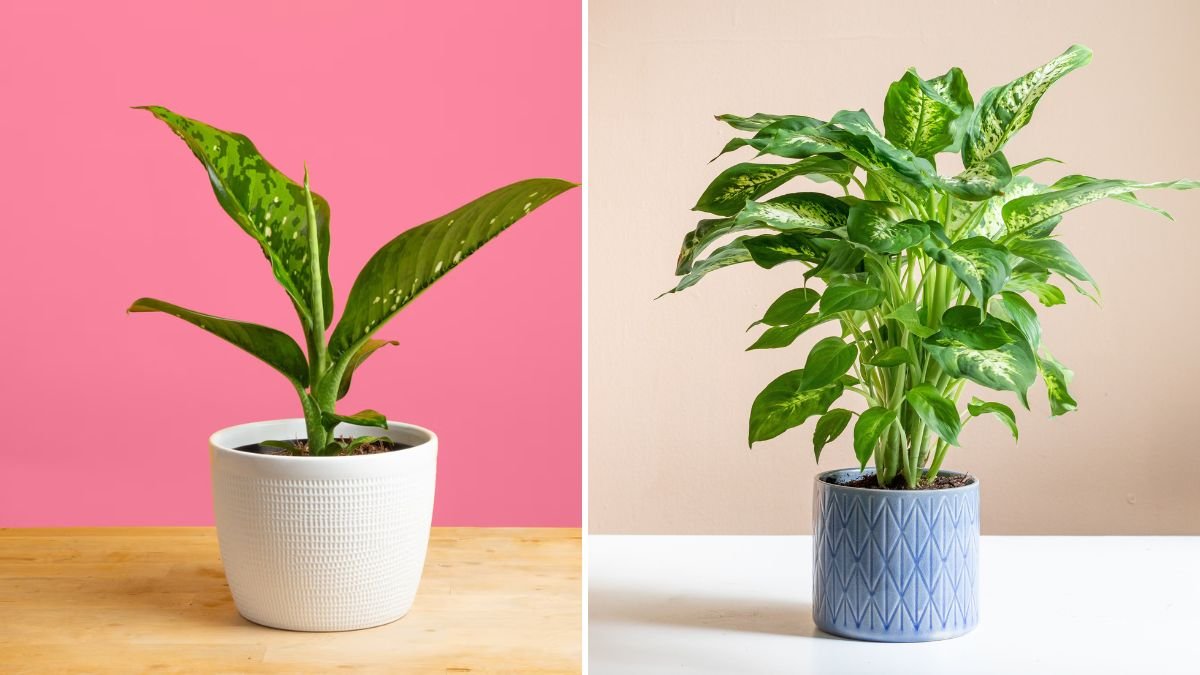
Dieffenbachia, commonly known as Dumb Cane, is a popular choice for indoor decor known for its lush foliage and low-maintenance care requirements. With its large, patterned leaves and vibrant green coloration, Dieffenbachia can transform any living space into a verdant oasis. This guide will walk you through the best practices for growing and nurturing Dieffenbachia plants, ensuring your home remains stylish and vibrant.
Understanding Dieffenbachia
Characteristics
Dieffenbachia is native to tropical regions of Central and South America. The plant belongs to the Araceae family and is characterized by its broad leaves that can grow up to three feet long. The leaf veins are often a striking white or cream, adding visual interest to your space.
Types of Dieffenbachia
There are numerous varieties of Dieffenbachia, each with unique attributes:
- Dieffenbachia seguine: This is the most commonly grown species and features large, variegated leaves.
- Dieffenbachia amoena: Known for its striking pattern of green and white leaves, it adds a fresh look to indoor spaces.
- Dieffenbachia exotica: A vigorous grower with slightly larger leaves, suitable for spacious areas.

Why Choose Dieffenbachia?
- Air Purification: Dieffenbachia is effective at filtering indoor air pollutants, making it a healthy choice for your home.
- Aesthetic Appeal: The plant can serve as a natural focal point in any room, complementing various decor styles—from modern to traditional.
- Low Maintenance: It’s a hardy plant that can withstand varying light conditions and doesn’t require frequent watering.
Growing Dieffenbachia: Step-by-Step Guide
Step 1: Selecting the Right Location
Dieffenbachia thrives in indirect light, making it an ideal choice for areas near windows with filtered sunlight. Avoid direct sunlight, which can scorch the leaves. If natural light is limited, Dieffenbachia can also adapt to fluorescent lighting, making it suitable for offices or darker rooms.
Step 2: Choosing the Right Potting Mix
A well-draining potting mix is essential. Consider using a mix designed for indoor plants, or create your own by combining:
- 2 parts potting soil
- 1 part perlite
- 1 part peat moss

This combination ensures good drainage and aeration, critical for the health of your Dieffenbachia.
Step 3: Potting Your Dieffenbachia
- Choose a Pot: A ceramic or plastic pot with drainage holes is ideal. The pot should be slightly larger than the plant’s root ball.
- Add Potting Mix: Fill the pot with the prepared mix, leaving space for the roots.
- Planting: Gently remove the plant from its nursery pot and place it in the new pot. Fill in the gaps with more potting mix, pressing lightly to eliminate air pockets.
- Watering: Water the plant thoroughly until excess water drains out. This helps establish the roots in their new environment.
Step 4: Watering
Dieffenbachia prefers moist soil, but it’s crucial to avoid overwatering. Allow the top inch of soil to dry before watering again. The frequency can vary based on environmental conditions, but generally, watering every 1-2 weeks should suffice. Winter months may require less frequent watering.
Step 5: Fertilizing
During the growing season (spring and summer), apply a balanced, water-soluble fertilizer every 4-6 weeks. This helps promote healthy growth and vibrant foliage. In fall and winter, reduce or eliminate fertilizing as the plant enters a dormant phase.

Step 6: Pruning and Maintenance
Pruning is essential for maintaining the shape and health of your Dieffenbachia. Remove any yellow or damaged leaves by cutting them at the base. This also encourages new growth. Additionally, if the plant becomes leggy, prune back stems to promote bushier growth.
Step 7: Pest Control
Keep an eye out for common pests such as spider mites, mealybugs, and aphids. If noticed, treat your Dieffenbachia with insecticidal soap or neem oil. Always follow the product instructions to ensure effectiveness.
Common Challenges and Solutions
Yellowing Leaves
Yellow leaves may indicate overwatering, insufficient light, or nutrient deficiencies. Check the soil moisture level and adjust your care routine accordingly.
Dropping Leaves
If leaves are falling, this could be due to sudden temperature changes or drafts. Ensure your plant is in a stable environment away from doors or windows that open frequently.
Stunted Growth
If your Dieffenbachia isn’t growing, it might need a larger pot or more nutrients. Adjust the pot size as needed and resume a regular fertilization schedule.

Decorating with Dieffenbachia
Dieffenbachia can be used in various ways to enhance your indoor decor:
- Statement Piece: Place a large Dieffenbachia in a decorative pot in a corner to create a stunning visual impact.
- Grouping: Combine smaller plants with Dieffenbachia to create a lush indoor garden.
- Focal Point on Shelves: Use medium-sized pots to add greenery on shelves or side tables.
- Table Centerpiece: A smaller Dieffenbachia can serve as a lovely centerpiece on dining or coffee tables.
Frequently Asked Questions (FAQs)
Q1: Is Dieffenbachia safe for pets?
Dieffenbachia is toxic to pets if ingested. It can cause irritation of the mouth and throat. If you have pets that tend to chew on plants, consider placing your Dieffenbachia out of reach or choose pet-friendly alternatives.
Q2: How often should I repot my Dieffenbachia?
Repot your Dieffenbachia every 1-2 years or when you notice roots coming out of the drainage holes. Spring is the best time to do this.

Q3: Can I propagate Dieffenbachia easily?
Yes, Dieffenbachia can be propagated through stem cuttings. Take cuttings with a few leaves attached, and place them in water until roots develop, then transfer them to soil.
Q4: What temperature range is ideal for growing Dieffenbachia?
Dieffenbachia thrives in temperatures between 60°F and 80°F (15°C to 27°C). Avoid exposing it to temperatures below 50°F (10°C).
Q5: How can I enhance the air-purifying qualities of Dieffenbachia?
To maximize air purification, place your Dieffenbachia alongside other houseplants, as they work synergistically to filter toxins from the air.
Conclusion
Growing Dieffenbachia is a straightforward process that can add a touch of nature to your indoor spaces. With its striking appearance and ability to thrive with minimal care, it’s no wonder this plant has become a favorite among indoor gardening enthusiasts. By following the simple steps outlined in this guide, you can create a lush indoor landscape that not only beautifies your home but also improves your indoor air quality. Embrace the beauty of Dieffenbachia and enjoy the refreshing ambiance it brings.