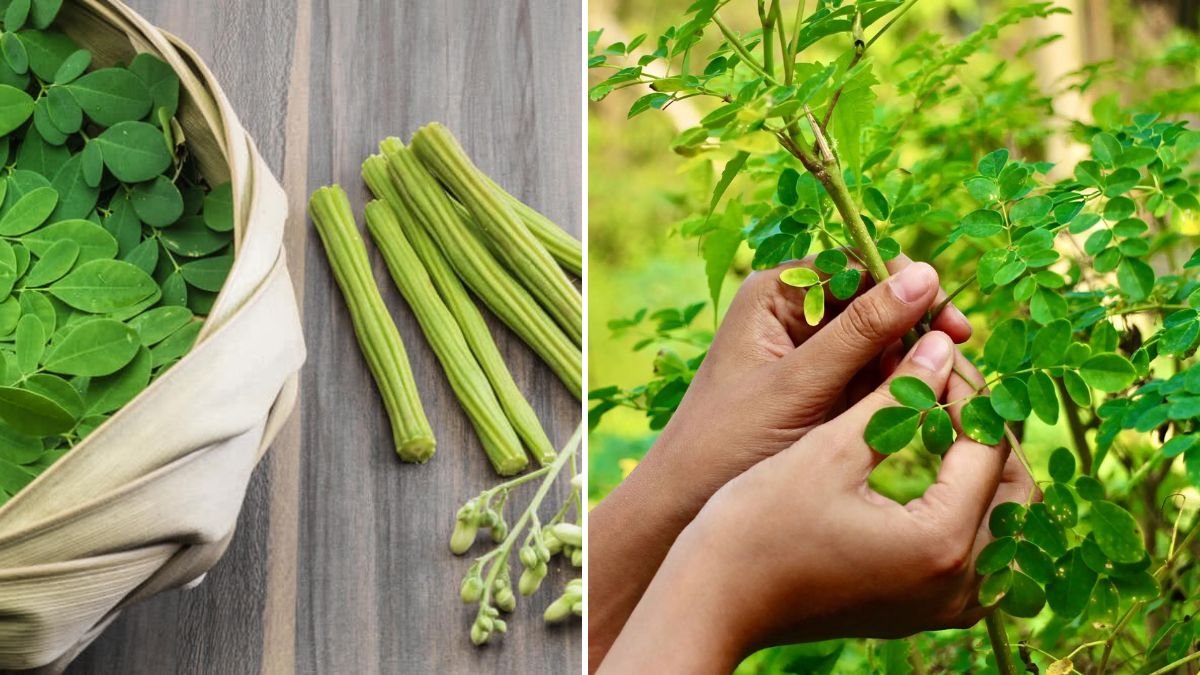
Moringa oleifera, often called the “drumstick tree,” has gained significant popularity in recent years due to its impressive nutritional profile and health benefits. Rich in vitamins, minerals, and antioxidants, moringa leaves can enhance the diet of individuals looking to improve their overall health. Growing moringa at home not only provides a fresh supply of these nutrient-packed leaves but also supports sustainable living. This article will guide you on how to successfully grow moringa leaves at home, ensuring easy harvesting and maximizing the nutritional benefits.
Understanding Moringa
Before diving into the growing process, it’s crucial to understand what moringa is and why it’s so beneficial. Moringa is known for its high nutritional value:
- Vitamins: Moringa leaves are rich in vitamins A, C, and E. These vitamins are antioxidants that help protect the body from oxidative stress.
- Minerals: Moringa leaves contain essential minerals like calcium, potassium, and iron, which support various bodily functions.
- Protein: Interestingly, moringa leaves contain proteins that comprise all nine essential amino acids, making them a valuable addition to vegetarian and vegan diets.
Besides its nutritional benefits, moringa has been linked to various health benefits, including anti-inflammatory properties, blood sugar regulation, and cholesterol reduction.
Selecting the Right Varieties
When planning to grow moringa at home, selecting the right variety is essential. The most commonly grown variety is Moringa oleifera, which is best suited for most climates. Other varieties, like Moringa stenopetala and Moringa peregrina, have slightly different growing requirements.
Choose seeds from a reliable source to ensure you get high-quality seeds free from diseases. Organic or heirloom varieties are often a good choice for home gardeners.
Preparing the Soil

Moringa thrives in well-draining, sandy or loamy soil. Here are steps to prepare your soil effectively:
- Testing pH: Moringa grows best in soil with a pH between 6.0 and 7.0. Conduct a soil test and amend the soil as necessary.
- Sourcing Soil: Utilize good-quality potting soil or mix your topsoil with compost to enhance nutrient levels.
- Amending Soil: If your soil is heavy clay, consider mixing in sand or perlite to improve drainage.
Planting Moringa Seeds
Once your soil is prepared, you can proceed to plant the seeds.
Planting in the Ground
- Choose a Location: Moringa prefers full sun, so select a spot that receives six to eight hours of direct sunlight daily.
- Spacing: Space your seeds at least 3 feet apart to allow for proper growth, as moringa trees can grow quite large.
- Planting Depth: Sow seeds about 1 inch deep into the soil.
- Watering: Water the seeds thoroughly after planting but avoid waterlogging the soil.
Planting in Containers
If you have limited space or live in a colder climate, container gardening is a feasible option.

- Choose the Right Pot: Use a pot that is at least 18 inches deep and has drainage holes.
- Soil Preparation: Fill the pot with well-draining soil as mentioned earlier.
- Planting Depth and Watering: Follow the same depths and watering instructions as above.
Caring for Moringa Plants
Once your seeds have germinated and young plants begin to grow, proper care is essential for healthy growth:
Watering
Moringa is drought-resistant once established; however, young plants require regular watering. Water them deeply but infrequently to encourage deep root growth. Avoid overwatering, especially in containers.
Fertilizing
While moringa can thrive in poor soils, occasional feeding can enhance growth. Use an organic fertilizer or compost every few months during the growing season to ensure your plants receive the necessary nutrients.
Pruning
Regular pruning helps encourage bushier growth, which is beneficial for leaf production:
- When to Prune: Start pruning once the plants reach about 3 feet in height.
- Method: Snip off the top few inches of each branch using sharp, clean shears. This will encourage lateral growth.

Pest and Disease Management
While moringa is relatively hardy, it can be susceptible to certain pests:
- Common Pests: Look out for aphids, caterpillars, and spider mites.
- Organic Solutions: Use neem oil or insecticidal soap to manage pest issues organically.
Harvesting Moringa Leaves
Harvesting your moringa leaves is one of the most rewarding aspects of growing this plant.
When to Harvest
Moringa leaves can be harvested about six months after planting. The best time to harvest is when the leaves are young and tender, usually in the morning when the sun isn’t too harsh.
How to Harvest
- Cutting Technique: Use sharp scissors or pruning shears to snip off leaf clusters. Picking leaves instead of cutting branches will encourage further growth.
- Frequency: You can harvest leaves every few weeks, as long as you do not remove more than one-third of the plant at a time.
Storing Moringa Leaves

Fresh moringa leaves can be stored in the refrigerator for up to a week. For longer storage, consider drying the leaves:
- Drying Method: Lay leaves flat on a clean surface away from direct sunlight until they are crisp. Store dried leaves in an airtight container.
Nutritional Benefits of Moringa Leaves
Incorporating moringa leaves into your diet can have numerous health benefits:
- Boosts Immunity: Rich in Vitamin C, moringa helps strengthen the immune system.
- Supports Digestive Health: High fiber content aids digestion and maintains gut health.
- Improves Skin Health: Antioxidants in moringa combat skin damage and promote radiance.
Conclusion
Growing moringa leaves at home is a gratifying endeavor that offers numerous nutritional benefits. By carefully selecting your seeds, preparing the soil, and following good care practices, you can cultivate a healthy supply of this superfood. Not only does it benefit your health, but it also contributes to a more sustainable lifestyle.
FAQs
Q1: How much sunlight do moringa plants need?
Moringa plants thrive in full sunlight, requiring about 6 to 8 hours of direct sunlight each day.

Q2: Can moringa be grown indoors?
Yes, moringa can be grown indoors if you provide ample sunlight, such as placing it near a south-facing window or using grow lights.
Q3: How often should I water moringa plants?
Water young moringa plants regularly, keeping the soil moist but not waterlogged. Once established, they can tolerate dry conditions and require watering only when the top inch of soil is dry.
Q4: Is it necessary to fertilize moringa plants?
While moringa can grow in nutrient-poor soil, fertilizing with organic compost or balanced fertilizers every few months can enhance leaf production.
Q5: How do I know when to harvest moringa leaves?
Harvest when the leaves are young and tender, typically about six months after planting. Regular harvesting encourages bushier growth.
Q6: What pests should I look out for on my moringa plants?
Common pests include aphids, caterpillars, and spider mites. Use organic methods like neem oil to manage these pests effectively.
By following these guidelines, you can successfully grow moringa at home and unlock the myriad health benefits this incredible plant has to offer. Enjoy your journey into gardening and reap the rewards of your efforts!