Ultimate Guide to Effortless Cultivation of Sea Buckthorn for Beginners
Introduction
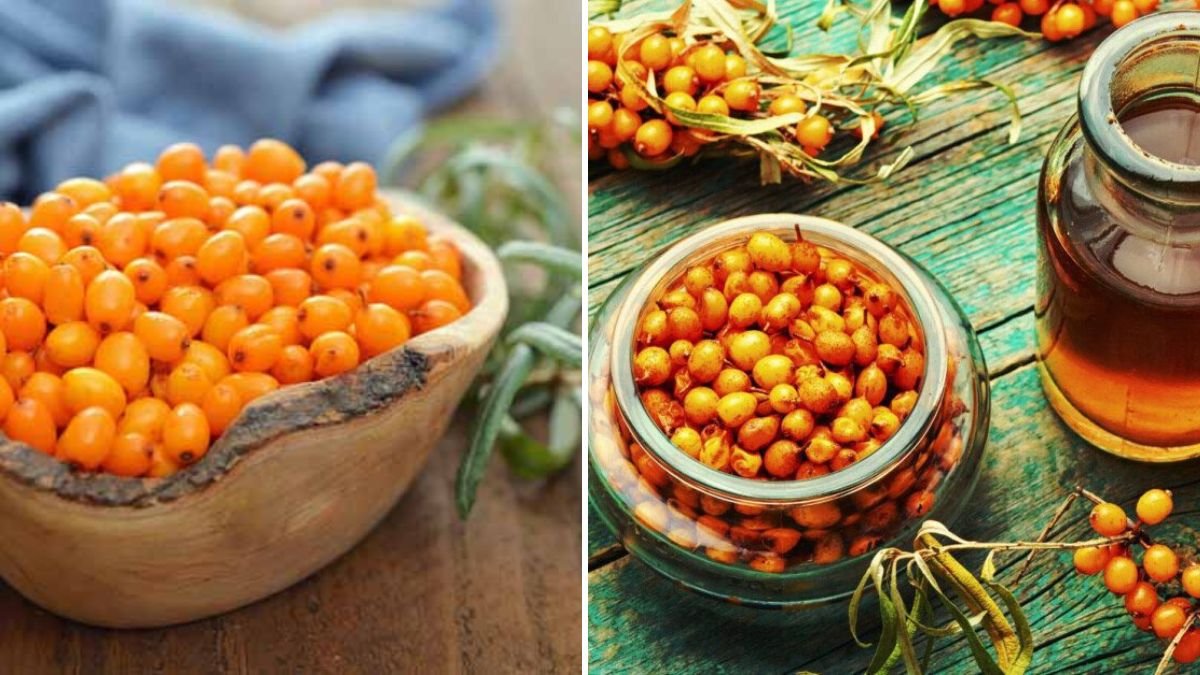
Sea Buckthorn (Hippophae rhamnoides) is a hardy shrub known for its vibrant orange berries, which are packed with vitamins, antioxidants, and essential fatty acids. With the increasing interest in natural remedies and superfoods, cultivating sea buckthorn has become a popular choice for home gardeners. This guide aims to provide beginners with a comprehensive overview of how to grow this nutritious plant effortlessly.
Understanding Sea Buckthorn
Before diving into cultivation techniques, it’s essential to understand what sea buckthorn is and its benefits.
Nutritional Benefits
Sea buckthorn berries are rich in:
- Vitamin C: Contains up to 15 times more vitamin C than oranges.
- Vitamin E: An antioxidant that promotes skin health.
- Omega-7 Fatty Acids: Support heart and digestive health.
Uses of Sea Buckthorn
Sea buckthorn can be used in various forms, including:
- Juices and smoothies
- Essential oils
- Skin care products
- Dietary supplements
Choosing the Right Location
One of the first steps in cultivating sea buckthorn is selecting an appropriate location.

Sunlight
Sea buckthorn thrives in full sun. Ensure the chosen site receives at least 6 to 8 hours of sunlight daily.
Soil Type
These shrubs prefer well-draining soil that’s slightly acidic to neutral.
- pH Level: Aim for a soil pH of 6.0 to 7.0.
- Soil Test: Conduct a soil test to understand the nutrient requirements.
Planting Techniques
Plant Selection
You can start sea buckthorn cultivation from seeds, cuttings, or nursery-bought plants. For beginners, buying nursery plants is advisable for achieving quicker results.
Spacing
If planting multiple bushes, space them 5 to 8 feet apart, as they can grow quite extensive and require room to develop.
Planting Steps
- Dig a Hole: Create a hole that’s twice the width and the depth of the root ball.
- Amend the Soil: Mix in some organic compost to enhance nutrient availability and improve drainage.
- Position the Plant: Place the root ball in the hole and backfill with the amended soil.
- Watering: Water thoroughly after planting to settle the soil and eliminate air pockets.
Maintenance

Watering
Sea buckthorn is drought-resistant but needs regular watering during the first growing season.
- Established Plants: Once established, water sparingly, as they thrive in dry conditions.
Fertilization
- Organic Fertilizers: Apply a balanced organic fertilizer in early spring before the growing season begins.
- Avoid Over-Fertilization: Excess nitrogen can weaken plants and reduce berry yield.
Pruning
Regular pruning helps maintain healthy growth and improves fruit production.
- Timing: Prune in late winter or early spring.
- Technique: Remove dead or crossing branches to promote airflow. Aim to create an open center for better sunlight penetration.
Pest and Disease Management
Sea buckthorn is generally resistant to pests and diseases. However, it’s important to remain vigilant.
Common Pests
- Spider Mites: Small and cause leaf discoloration. Control with insecticidal soap.
- Aphids: Small sap-sucking insects. Use neem oil for control.
Diseases
- Rust: Fungal disease that affects leaves. Ensure good air circulation to minimize risks.

Harvesting
Timing
Sea buckthorn berries ripen in late summer to early autumn.
Harvesting Methods
- Hand Harvesting: For a small number of plants, you can handpick the berries.
- Mechanical Harvesting: For larger quantities, use a berry harvester designed for sea buckthorn.
Techniques
Wear gloves when harvesting, as the thorns can be sharp.
Processing Sea Buckthorn
After harvesting, you can process the berries in various ways:
- Juicing: Extract juice for fresh consumption or preservation.
- Freezing: Freeze berries to preserve their nutrients for later use.
- Drying: Dehydrate berries for use in teas or snacks.
The Benefits of Companion Planting
Companion planting can improve the health and yield of your sea buckthorn plants. Suitable companions include:
- Herbs: Such as sage and thyme, which can deter unwanted pests.
- Natives: Planting native flowers can attract pollinators beneficial for fruit production.

Troubleshooting Common Issues
Even with healthy practices, issues may arise. Here are some common problems and solutions:
- Poor Growth: Check for soil drainage and pH levels. Amend as needed.
- Low Fruit Production: Ensure adequate sunlight and nutrients. Prune excessively dense areas.
- Diseased Plants: Isolate any diseased shrubs and treat with appropriate organic fungicides.
Seasonal Care
Spring
- Fertilize and prune to encourage new growth.
Summer
- Monitor watering and watch for pests.
Fall
- Harvest berries and prepare plants for winter.
Winter
- Protect the base of plants with mulch in colder climates to insulate roots.
FAQs
Q1: How fast does sea buckthorn grow?
A1: Sea buckthorn grows relatively quickly, typically reaching maturity in 2 to 3 years.

Q2: Can sea buckthorn grow in pots?
A2: Yes, but ensure pots are large, with sufficient drainage to accommodate root growth.
Q3: Do I need male and female plants for fruiting?
A3: Yes, sea buckthorn is dioecious, meaning you need both male and female plants to produce berries. A ratio of 1 male plant to 4-5 female plants is ideal.
Q4: How do I propagate sea buckthorn?
A4: You can propagate sea buckthorn through semi-hardwood cuttings in late summer or by sowing seeds.
Q5: Is sea buckthorn invasive?
A5: While it can spread, it is generally not considered invasive. However, monitor its growth to prevent it from overtaking garden spaces.
Q6: What are the ideal pH levels for planting sea buckthorn?
A6: Aim for a soil pH between 6.0 and 7.0 for optimal growth.
Q7: Can I use chemical fertilizers on sea buckthorn?
A7: It’s best to use organic fertilizers, as these promote healthier plants and soil.
Conclusion
Cultivating sea buckthorn is an excellent endeavor for beginners who want to grow a nutritious, low-maintenance plant. With proper care, this hardy shrub can thrive in various conditions while offering a wealth of health benefits. Whether you’re looking to harvest berries for smoothies, juices, or skincare, sea buckthorn can be a valuable addition to your home garden. Start your journey today, and enjoy the fruitful rewards of your labor!