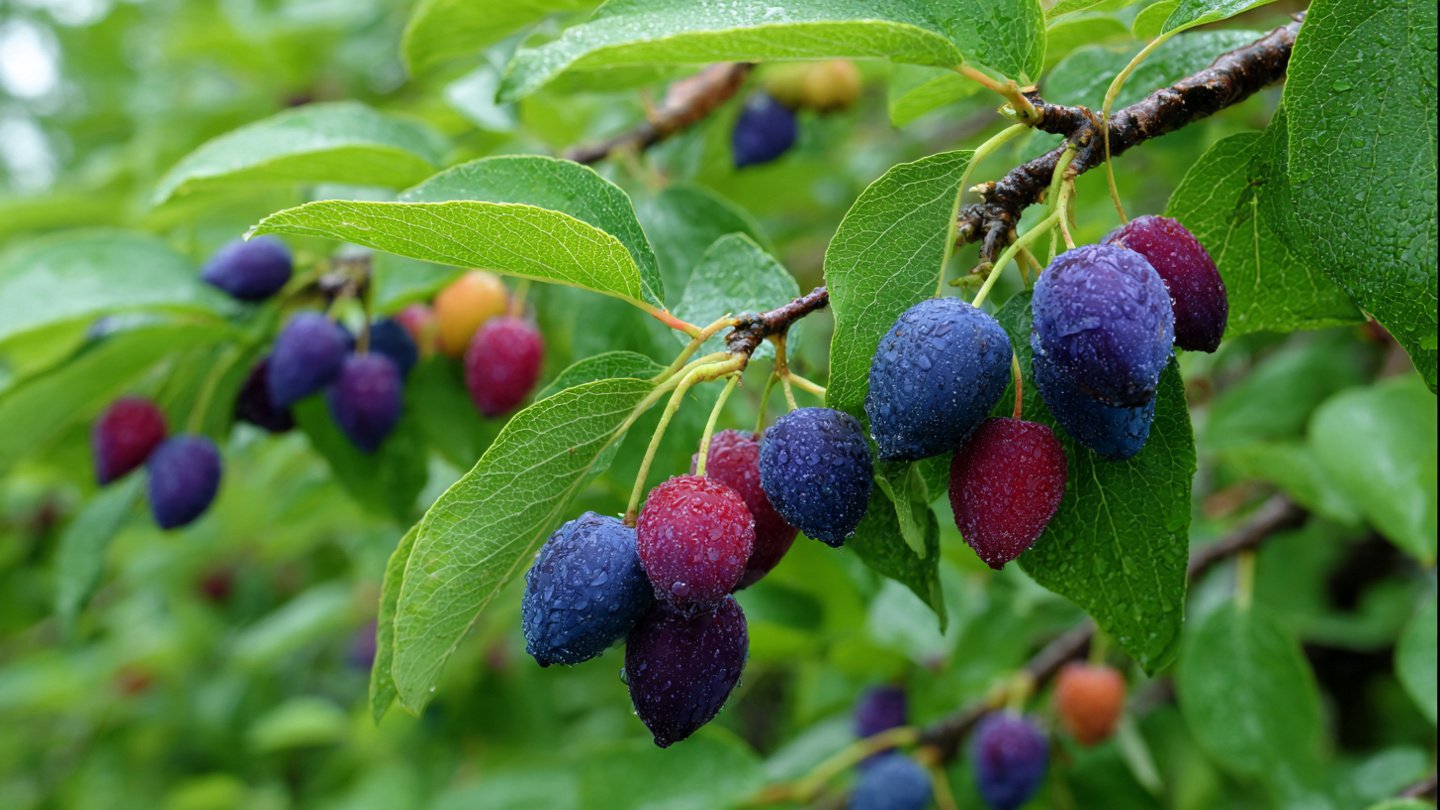
Haskap berries, often known as honeyberries, have been gaining popularity in Canada due to their adaptability to the climate and their numerous health benefits. Native to the cold climates of Siberia and Northern Asia, these berries thrive in regions with harsh winters, making them an ideal crop for various Canadian provinces. This article delves into the best techniques for cultivating haskap berries effectively in Canadian climates, from selecting the right varieties to managing soil and water requirements.
Understanding Haskap Berries
Haskap (Lonicera caerulea var. edulis) is a deciduous shrub that produces sweet, tangy berries typically ripening in late spring and early summer. The berries are rich in antioxidants, vitamins, and have potential health benefits, making them appealing to homeowners and commercial growers alike. As these plants can withstand severe weather and pests, they are well-suited for the Canadian environment.
Ideal Growing Conditions
Climate
Haskap berries thrive in USDA hardiness zones 2 to 7, which covers a large part of Canada. They require a minimum chill hour range of around 700 to 1,200 hours between 0°C and 7°C to set fruit properly, making them perfect for colder climates.

Soil
Choosing the right soil is pivotal for the successful cultivation of haskap berries. Ideally, they prefer:
- Well-drained soils: Sandy loam or loamy soils are preferred, with good drainage to prevent root rot.
- pH level: The optimal pH range is between 6.0 to 7.0. Regular soil testing can help manage pH levels effectively.
- Nutrient-rich: Incorporating organic matter, such as compost or well-rotted manure, can significantly enhance soil nutrient levels.
Selecting Haskap Varieties
Different varieties of haskap offer distinct flavors and sizes. When selecting varieties, consider:
Latest Posts
- OnePlus Turbo 6V 5G Launched – for Gamers with 9000mAh Battery, 220MP Camera & Snapdragon 8s Gen 4
- Realme GT 8 Pro Officially Launched – 200MP Camera, 7,000mAh Battery and Snapdragon 8 Elite
- OPPO K13 Turbo 5G Launched – 7,000mAh Battery, 50MP Camera and High-Performance Chipset
- Realme 17 Pro 5G Unveiled – IP69K Certified, 200MP Camera and Massive 8600mAh Battery
- Vivo Premium Smartphone Launched – 200MP Camera, 90W Fast Charging and 16GB RAM
- POCO F8 Ultra Launched – Snapdragon Flagship Power, Bose Audio and Huge Battery
- POCO F8 Ultra Launched – Snapdragon Flagship Power, Bose Audio and Huge Battery
- OnePlus Nord 3 5G Launched – 120Hz AMOLED Display, 50MP Camera and 5,000mAh Battery
- OnePlus Nord CE4 Launched – Powerful Snapdragon 7 Gen 3, 50MP Camera and Long-Lasting Battery
- OnePlus Smartphone Revealed – Premium 5G Smartphone with 200MP Camera, 24GB RAM and 100W Fast Charging
- Flavor Profiles: Some varieties are sweeter, while others have a tart undertone. Varieties such as ‘Blue Moon’, ‘Tundra’, and ‘Honeybee’ are popular for their sweet and juicy fruits.
- Pollinator Requirements: Haskap berries are generally self-pollinating, but cross-pollination can enhance fruit yield and quality. Planting at least two or three different varieties within proximity can significantly improve productivity.
Planting Techniques
Preparing the Site
- Choosing a Location: Select a sunny spot, preferably with some protection from wind and strong sunlight, which can be detrimental during the flowering phase.
- Soil Preparation: Before planting, till the soil to a depth of 12-18 inches, removing rocks and debris. Amending the soil with compost will ensure the plants have enough nutrients for strong growth.
- Spacing: Space plants approximately 1-2 meters apart to ensure good airflow and sunlight penetration.
Planting
- Timing: The best time to plant haskap berries is in early spring or late fall when the plants are dormant.
- Planting Depth: Dig a hole deep enough for the root ball, ensuring that the top of the root ball is level with the soil surface. Water the plant thoroughly after planting.
Watering and Irrigation
Haskap berries require consistent moisture, especially during the first few years of growth. Here are some watering techniques:

- Newly Planted: Water newly planted haskap berries deeply but infrequently, allowing the soil to dry slightly between waterings.
- Established Plants: Once established, these plants are relatively drought-tolerant but still benefit from regular watering during dry periods.
- Mulching: Applying a layer of mulch around the plants can help retain soil moisture, suppress weeds, and regulate soil temperature.
Fertilizing
Regular fertilization supports healthy growth and fruit production.
- Base Fertilizer: In early spring, apply a balanced fertilizer (NPK 10-10-10 or similar) at the beginning of the growing season.
- Late Season: A light application of fertilizer in late summer can support fruit production.
- Avoid Over-fertilization: Over-fertilizing can lead to excessive leaf growth at the expense of fruit development.
Pruning and Training
Pruning is crucial for maintaining plant structure, health, and fruit production.
- Timing: The best time to prune haskap bushes is in late winter or early spring while they are dormant.
- Techniques: Remove dead or weak branches and thin out overcrowded areas to improve air circulation. This action can also enhance light penetration, benefiting fruit growth.
Training
When first establishing plants, consider using a trellis or support to help the plants develop a strong structure, especially in windy areas.

Pest and Disease Management
While haskap berries are resilient, they can be susceptible to certain pests and diseases.
- Pests: Aphids, spider mites, and fruit flies are common pests to monitor. Insecticidal soaps or beneficial insects like ladybugs can help manage infestations.
- Diseases: Fungal diseases, such as botrytis and powdery mildew, can impact yields. Ensure good airflow and hygiene practices to minimize risks. Resistant varieties may also help.
Harvesting
Haskap berries ripen in late spring to early summer, often around mid-June to early July, depending on the variety and local climate conditions.
- Signs of Ripeness: The berries change from green to a deep blue, and they should easily pop off with a gentle tug.
- Harvesting Techniques: Use gloves and gently twist the berries to minimize damage. If harvesting for commercial purposes, consider using mechanical harvesters designed for delicate fruits to speed up the process.
Post-Harvest Handling
- Storage: Store harvested berries in a cool, dry place. They maintain freshness for about a week in the fridge but can be frozen for long-term storage.
- Processing: Haskap berries can make excellent jams, jellies, and wines, expanding their market potential significantly.
Conclusion
Cultivating haskap berries in Canadian climates offers an exciting opportunity for both commercial growers and home gardeners. Understanding the specific needs of these hardy plants—from choosing the right varieties and planning the layout of your garden to managing pests and optimizing yields—can result in a fruitful harvest. With the right techniques, growers can enjoy the sweetness of haskap berries while contributing to local biodiversity and the evolution of Canadian agriculture.

FAQs
- What is the ideal climate for growing haskap berries?
- Haskap berries thrive in USDA zones 2 to 7, making them suitable for most Canadian climates.
- How much sun do haskap berries need?
- Haskaps require at least 6 hours of sunlight daily for optimal growth and fruit production.
- When is the best time to plant haskap berries?
- The ideal planting time is early spring or late fall when plants are dormant.
- How long does it take for haskap berries to bear fruit?
- Haskap bushes generally begin to produce fruit within 2-3 years of planting.
- Do I need more than one variety of haskap for pollination?
- While haskap are self-pollinating, planting multiple varieties can enhance fruit set and yield.
- What type of soil is best for haskap berries?
- Haskap berries prefer well-drained, loamy soils with a pH between 6.0 to 7.0.
- How do I manage pests without using chemicals?
- You can manage pests by using insecticidal soaps, introducing beneficial insects like ladybugs, and practicing good hygiene in the garden.
- Can haskap berries be frozen?
- Yes, haskap berries can be frozen for long-term storage, maintaining their flavor and nutritional value.
- What are the health benefits of haskap berries?
- Haskap berries are rich in antioxidants, vitamins, and minerals, contributing to improved health and wellness.
By employing these techniques, growers can realize the full potential of haskap berries, a fruit highly regarded for both its taste and health benefits. Happy gardening!