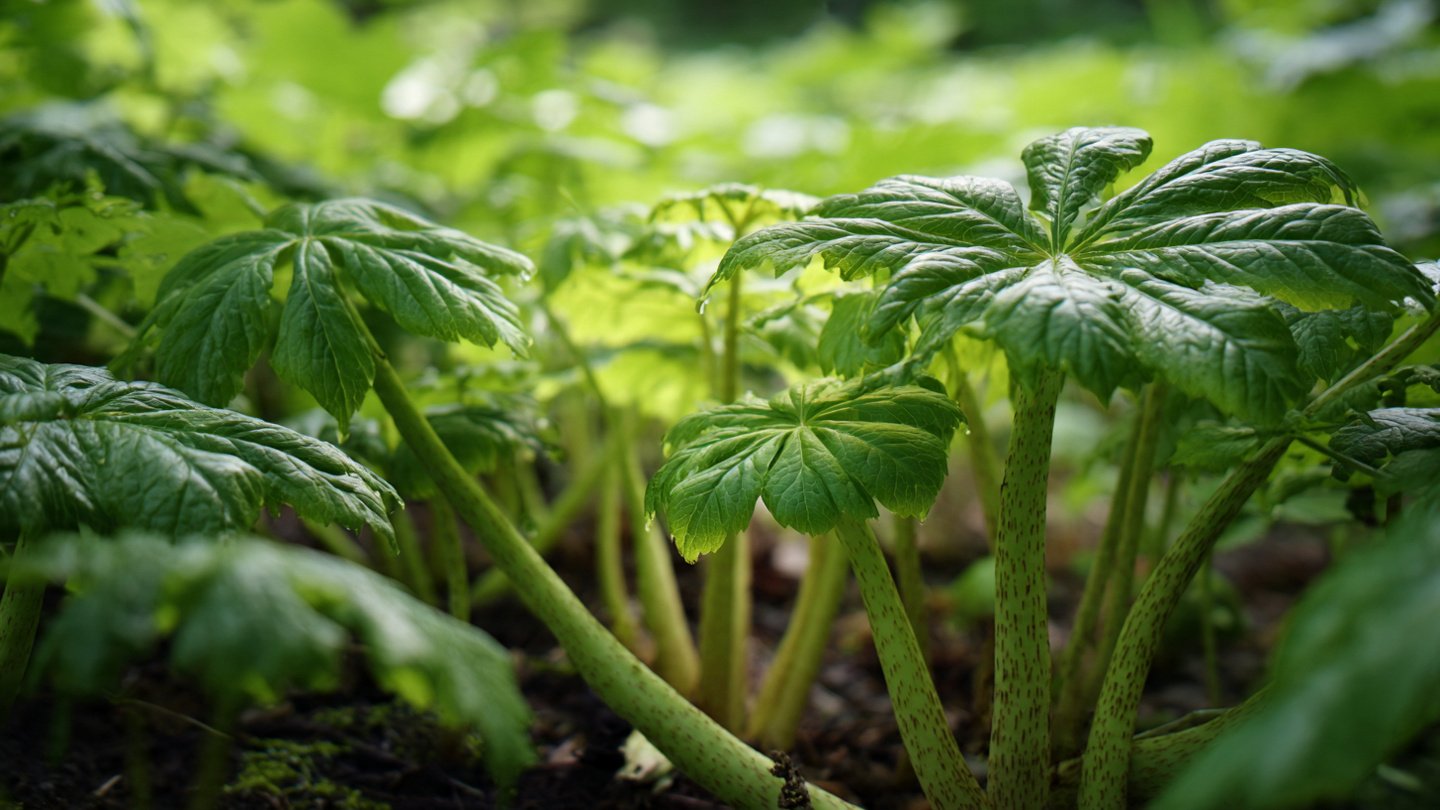
Mayapple (Podophyllum peltatum) is a captivating perennial plant native to North America, known for its distinctive umbrella-like leaves and charming white flowers. This woodland species thrives in shady areas, making it an excellent choice for garden borders, woodland gardens, or shaded spots. In this article, we will delve into the best techniques for successfully growing mayapple plants in your garden, ensuring they flourish beautifully.
Understanding Mayapple
Before we start with the cultivation techniques, it’s essential to understand the plant:
Latest Posts
- OnePlus Turbo 6V 5G Launched – for Gamers with 9000mAh Battery, 220MP Camera & Snapdragon 8s Gen 4
- Realme GT 8 Pro Officially Launched – 200MP Camera, 7,000mAh Battery and Snapdragon 8 Elite
- OPPO K13 Turbo 5G Launched – 7,000mAh Battery, 50MP Camera and High-Performance Chipset
- Realme 17 Pro 5G Unveiled – IP69K Certified, 200MP Camera and Massive 8600mAh Battery
- Vivo Premium Smartphone Launched – 200MP Camera, 90W Fast Charging and 16GB RAM
- POCO F8 Ultra Launched – Snapdragon Flagship Power, Bose Audio and Huge Battery
- POCO F8 Ultra Launched – Snapdragon Flagship Power, Bose Audio and Huge Battery
- OnePlus Nord 3 5G Launched – 120Hz AMOLED Display, 50MP Camera and 5,000mAh Battery
- OnePlus Nord CE4 Launched – Powerful Snapdragon 7 Gen 3, 50MP Camera and Long-Lasting Battery
- OnePlus Smartphone Revealed – Premium 5G Smartphone with 200MP Camera, 24GB RAM and 100W Fast Charging
- Appearance: Mayapple typically grows to about 12–18 inches tall, featuring large, palmate leaves that can reach up to 12 inches wide, with a single flower emerging between the leaves, usually in May.
- Fruit: When fertilized, the flower develops into a yellow fruit, resembling a small apple, which is edible when fully ripe. However, unripe fruit and other parts of the plant are toxic.
Ideal Growing Conditions
1. Soil Requirements
- Well-Drained Loamy Soil: Mayapples thrive best in well-drained, loamy soils rich in organic matter. A pH level of 5.5 to 6.5 is ideal.
- Amendments: Before planting, enrich the soil with compost or well-rotted manure to improve nutrient content and drainage.
2. Light Conditions

- Partial to Full Shade: These plants prefer dappled sunlight or partial shade. They are typically found in forest understories, so avoid direct, harsh sunlight that may scorch the leaves.
- Avoid Overexposure: While mayapples can tolerate some sunlight, excessive exposure can stress the plant and inhibit growth.
3. Watering Needs
- Moderate Moisture: Mayapples prefer consistent moisture but are susceptible to rot if overly saturated. Regular watering is crucial during dry spells, but ensure the soil has good drainage.
- Mulching: Apply a layer of organic mulch around the base of the plants to retain soil moisture and suppress weeds.
Planting Techniques
1. Propagation
- From Seeds: Mayapple seeds can be sown in fall or spring. However, they require a cold stratification period: placing seeds in the refrigerator for 30 days can improve germination rates.
- Division: Established mayapple clumps can be divided in early spring. Carefully dig up the roots and separate the clumps, ensuring each division has both roots and leaves.
2. Planting Instructions
- Spacing: When planting, space mayapple plants about 12–24 inches apart to allow for their natural spread.
- Plant Depth: Dig a hole that’s about twice the size of the root ball and place the plant so that the crown is level with the soil surface.
- Returning Soil: Backfill lightly around the plants, then water thoroughly to settle the soil.

Caring for Mayapple Plants
1. Fertilization
- Organic Fertilizer: Apply a balanced, organic fertilizer in early spring as new growth emerges. Follow the manufacturer’s instructions for application rates.
- Routine Top-Dressing: Adding compost annually can enhance soil fertility and structure.
2. Pest and Disease Management
- Pests: Mayapples are relatively pest-resistant; however, they can occasionally be subject to aphids or slugs. Monitor the plants and use insecticidal soap or neem oil as needed.
- Diseases: Fungal diseases can occur if conditions are too moist. Ensure good air circulation and avoid overhead watering.
3. Weed Control
- Mulching: As mentioned earlier, mulching helps suppress weeds. During the growing season, check for weeds and remove them by hand to reduce competition for nutrients and water.
- Regular Maintenance: Keep the area around your mayapples tidy and free of debris to discourage pests and diseases.

Harvesting and Use
Mayapple fruit can be harvested once it turns a yellow color and is fully ripe (typically late summer). Ripe fruit can be made into jellies or consumed raw in moderation. However, always note:
- Edibility Caution: Ensure the fruit is fully ripe; unripe fruit or other parts of the plant are toxic and should not be consumed.
- Medicinal Uses: Traditionally, parts of the mayapple have been used for medicinal purposes, but due care and consultation with a specialist are recommended before using any parts of the plant.
Aesthetic and Ecological Benefits
In addition to their charming aesthetics, mayapples serve vital ecological functions:
- Wildlife Habitat: They provide food and shelter for various wildlife, including pollinators that are attracted to their flowers.
- Erosion Control: Their root systems help stabilize soil, making them a valuable addition to shaded or sloped areas.
Challenges to Consider
While mayapples are generally easy to care for, gardeners should be aware of potential challenges:

- Slow Growth: Mayapples can be slow to establish. Patience is key as they take a few years to fill in an area.
- Invasiveness: In certain conditions, mayapples can spread aggressively. Regular management may be necessary to keep them in check.
FAQs
1. Can mayapple be grown in containers?
Yes, although mayapples thrive best in the ground, they can be cultivated in large containers. Ensure there are drainage holes, use quality potting soil, and maintain adequate moisture levels.
2. What is the best time to plant mayapple?
The best time to plant mayapple is in early spring or fall when the temperatures are moderate, allowing for better root establishment.
3. Are mayapples deer-resistant?
Yes, deer typically avoid mayapple due to its toxicity. However, in times of food scarcity, some browsing may occur.
4. How long does it take for mayapple to produce fruit?
Mayapples usually start producing fruit in their second or third year of growth after being planted.

5. Can I grow mayapple in full sun?
No, mayapples prefer partial to full shade. Direct sunlight can stress the plant and hinder growth.
6. Is the mayapple plant safe for pets?
No, mayapple is toxic to both humans and pets if ingested. Keep pets away from these plants and educate family members about their dangers.
7. What should I do about pests on my mayapple plants?
If you encounter pests like aphids or slugs, use natural remedies like insecticidal soap or neem oil. Regular inspections can help catch infestations early.
Conclusion
Growing mayapple plants in your garden can add beauty and ecological value, enhancing shaded areas with their unique foliage and flowers. By understanding their growing needs, from soil amendments to pest management, and implementing proper care techniques, you can enjoy a thriving mayapple patch that attracts wildlife and offers year-round interest. Whether you are a seasoned gardener or a beginner, mayapples can be a fantastic addition to your gardening repertoire. Happy gardening!