Introduction
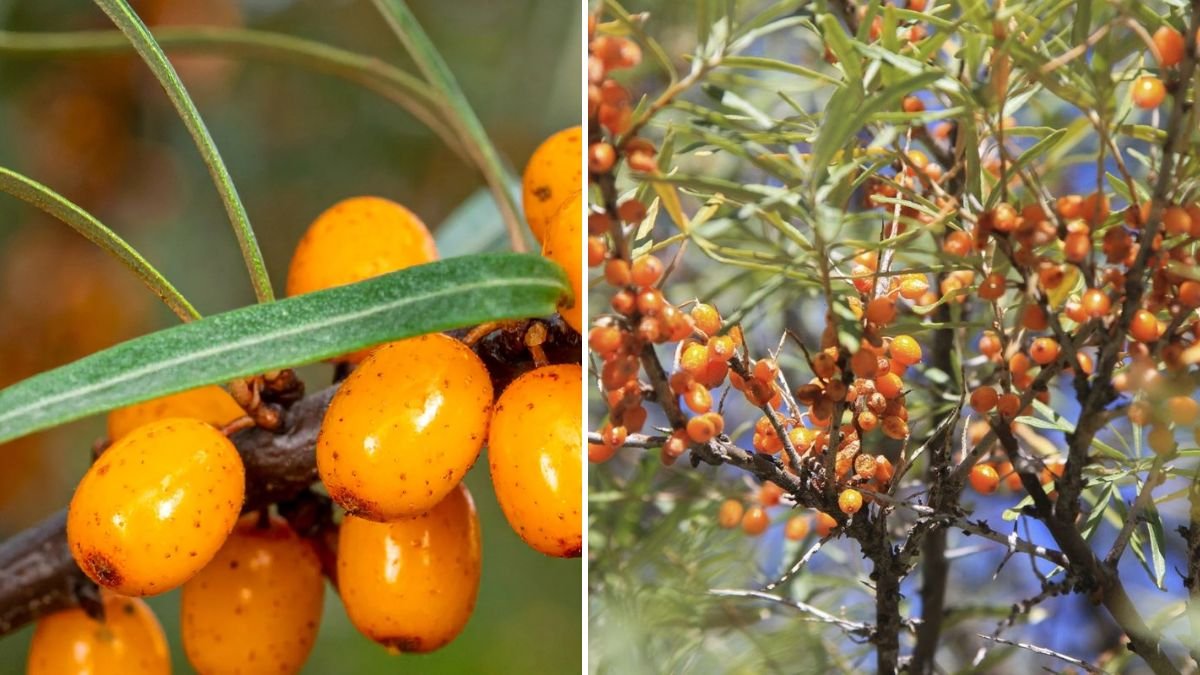
Sea buckthorn (Hippophae rhamnoides) is a hardy shrub native to Europe and Asia, known for its bright orange berries, which are rich in vitamins, antioxidants, and healthy fats. The plant adapts well to various climates, making it particularly suitable for Canadian conditions. With its resilience and health benefits, sea buckthorn has garnered interest among Canadian growers. This guide will cover everything you need to know about successfully cultivating sea buckthorn in Canada, including soil preparation, planting techniques, care and maintenance, harvesting, and common challenges.
Understanding Sea Buckthorn
Latest Posts
- OnePlus Turbo 6V 5G Launched – for Gamers with 9000mAh Battery, 220MP Camera & Snapdragon 8s Gen 4
- Realme GT 8 Pro Officially Launched – 200MP Camera, 7,000mAh Battery and Snapdragon 8 Elite
- OPPO K13 Turbo 5G Launched – 7,000mAh Battery, 50MP Camera and High-Performance Chipset
- Realme 17 Pro 5G Unveiled – IP69K Certified, 200MP Camera and Massive 8600mAh Battery
- Vivo Premium Smartphone Launched – 200MP Camera, 90W Fast Charging and 16GB RAM
- POCO F8 Ultra Launched – Snapdragon Flagship Power, Bose Audio and Huge Battery
- POCO F8 Ultra Launched – Snapdragon Flagship Power, Bose Audio and Huge Battery
- OnePlus Nord 3 5G Launched – 120Hz AMOLED Display, 50MP Camera and 5,000mAh Battery
- OnePlus Nord CE4 Launched – Powerful Snapdragon 7 Gen 3, 50MP Camera and Long-Lasting Battery
- OnePlus Smartphone Revealed – Premium 5G Smartphone with 200MP Camera, 24GB RAM and 100W Fast Charging
Botanical Characteristics
Sea buckthorn is a deciduous shrub that can grow between 1-3 meters in height. It has narrow, silver-green leaves and thorny branches, making it a natural barrier. The berries are tiny and vibrant orange, often compared to miniature grapes. They have a tart flavor and are highly valued in both culinary and medicinal applications.
Benefits of Growing Sea Buckthorn
- Nutritional Value: Sea buckthorn berries are a powerhouse of nutrients, containing high levels of vitamin C, omega-7 fatty acids, and antioxidants.
- Adaptability: This plant can thrive in poor soils, drought conditions, and harsh climates, making it ideal for many regions in Canada.
- Soil Improvement: Sea buckthorn can improve soil quality through nitrogen fixation, benefiting surrounding plants.
Site Selection and Preparation
Choosing the Right Location
Look for a well-drained area that receives full sun. Sea buckthorn thrives in sandy or loamy soil with a pH level between 6.0 and 8.0. Ensure the selected site is protected from strong winds, as the plant can be susceptible to wind damage.

Soil Preparation
Before planting, test the soil for nutrient content and pH level. Amend the soil as needed:
- Add Organic Matter: Incorporate compost or well-rotted manure to enrich the soil.
- Drainage: Ensure proper drainage to prevent root rot, which can be a concern in wet conditions.
- Fertilization: Use balanced fertilizers sparingly; excessive nitrogen can negatively affect berry production.
Planting Sea Buckthorn
Timing
The best time to plant sea buckthorn is in early spring after the last frost or in the fall before the ground freezes. Choose a time when the soil is workable.
Planting Techniques
- Choosing Seeds or Seedlings: You can start from seeds, but it’s easier to purchase young plants. Look for disease-resistant varieties that are proven to thrive in Canadian climates.
- Spacing: Space the plants 2-3 meters apart to ensure proper air circulation and growth.
- Planting:
- Dig a hole twice the size of the root ball.
- Place the plant in the hole, ensuring the crown is level with the soil surface.
- Fill the hole with soil, firming it gently, and water thoroughly.

Care and Maintenance
Watering
Sea buckthorn is drought-resistant once established, but young plants need regular watering. Provide consistent moisture during the first growing season, particularly during dry spells.
Pruning
Prune the shrubs in late winter or early spring. Remove dead or damaged branches to encourage healthy growth. Thinning the canopy helps improve air circulation and sun exposure.
Fertilization
Apply a balanced, slow-release fertilizer once in early spring. Avoid over-fertilization, as it can lead to excessive foliage growth with reduced berry production.
Pest and Disease Management
Monitor for common pests such as aphids or spider mites. If infested, use insecticidal soap or neem oil as an organic solution. Sea buckthorn is resistant to many diseases, but watch for signs of fungal infections in damp conditions.
Mulching
Apply a layer of organic mulch around the base of the plants to retain moisture, suppress weeds, and moderate soil temperatures.

Harvesting Sea Buckthorn
Timing
Berries typically ripen between late summer and early fall, depending on the variety and climate. You will know the berries are ready when they are fully orange and slightly soft to the touch.
Harvesting Techniques
- Manual Harvesting: Use gloves to avoid prickly branches. Hand-pick the berries into a container to avoid crushing.
- Mechanical Harvesting: Larger growers may invest in mechanical harvesters designed for berry collection.
Post-Harvest
Once harvested, store the berries in a cool, dry place. They can be frozen for long-term storage, made into juice, or processed into jams and jellies.
Challenges in Growing Sea Buckthorn
Climate Considerations
While sea buckthorn is hardy, extreme temperature fluctuations and late spring frosts can still pose challenges. Planting in sheltered locations can help mitigate these risks.
Soil Nutrient Deficiency

In nutrient-poor soils, you may encounter deficiencies affecting growth and fruit production. Regular soil testing can help maintain adequate nutrient levels.
Wildlife Interference
Birds and other wildlife are attracted to the berries. Consider netting or other protective measures to deter them from feasting on your harvest.
Conclusion
Growing sea buckthorn in Canadian climates presents an exciting opportunity for both home gardeners and commercial growers. With its numerous health benefits and resilience, this remarkable plant can thrive with the right care, providing you with abundant harvests. By following this comprehensive guide, you can successfully cultivate sea buckthorn and enjoy its many rewards for years to come.
FAQs
1. Can sea buckthorn survive in cold climates?
Yes, sea buckthorn is very hardy and can withstand harsh Canadian winters.
2. How much sunlight does sea buckthorn need?
Sea buckthorn thrives in full sun, requiring at least 6-8 hours of direct sunlight each day.
3. Is it necessary to have male and female plants for berry production?
Yes, sea buckthorn is dioecious, meaning you need at least one male plant to pollinate the female plants for berry production.

4. What is the best way to propagate sea buckthorn?
The best way to propagate sea buckthorn is through cuttings or by planting seeds. Seeds require a stratification period to germinate successfully.
5. How often should I water sea buckthorn?
During the first year after planting, water regularly to establish roots. Once established, the plant is drought-resistant, needing little extra water.
6. When is the best time to prune sea buckthorn?
Prune sea buckthorn in late winter or early spring to encourage new growth and improve air circulation.
By following the guidelines and addressing the FAQs, you’ll be well-prepared to successfully grow sea buckthorn in Canada, enjoying its rich nutritional benefits and beautiful, resilient growth.