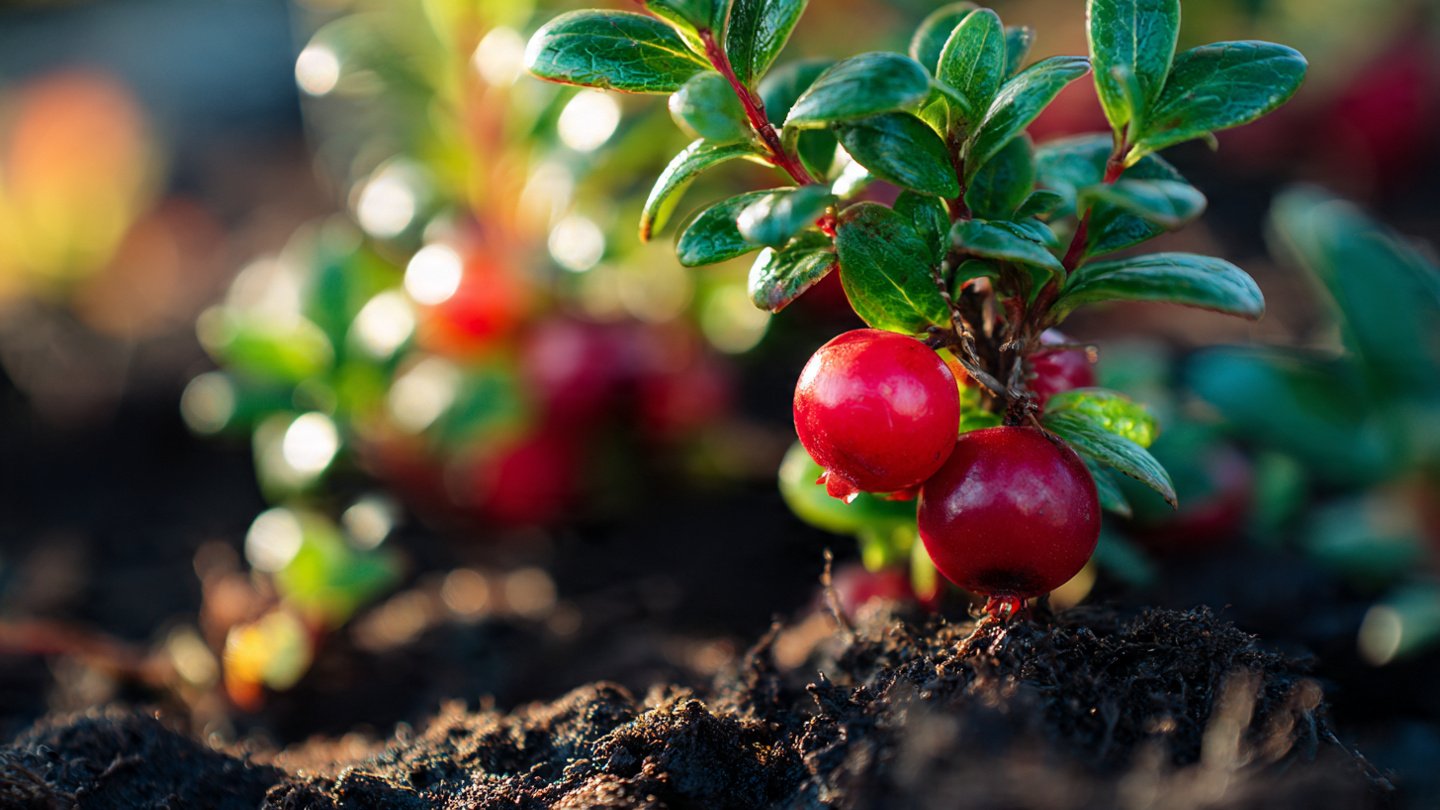
Lingonberries are small, tart, red berries that are popular in Scandinavian cuisine, often used in jams, sauces, and desserts. With their vibrant color and rich flavor, these little gems are not only delicious but also packed with nutrients and antioxidants. Cultivating lingonberries at home is an enriching experience, and with the right guidance, you can enjoy a bountiful harvest. In this article, we’ll walk you through the simple steps to successfully grow lingonberry plants at home, from selecting the right location to caring for your plants throughout the seasons.
Understanding Lingonberries
What are Lingonberries?
Lingonberries (Vaccinium vitis-idaea) are evergreen shrubs that thrive in acidic, nutrient-poor soils. They grow in a similar manner to blueberries and are commonly found in the wild in northern regions, mainly in boreal forests. The berries are typically harvested in late summer to early fall, characterized by their bright red color and slightly sour flavor.
Nutritional Benefits
Lingonberries are superfoods, offering a variety of health benefits:
- Rich in Antioxidants: They help combat oxidative stress in the body.
- Anti-inflammatory Properties: Lingonberries can reduce swelling and improve overall health.
- High in Vitamins: They are a good source of vitamin C and other essential nutrients.
- Support Digestive Health: The fiber content helps in maintaining a healthy gut.
Steps to Grow Lingonberry Plants at Home
1. Choosing the Right Location
Selecting the ideal location for your lingonberry plants is crucial for their growth. They prefer:

- Sunlight: Find a spot that receives full sun or partial shade. Ideally, lingonberries should get at least 6-8 hours of sunlight per day.
- Soil: Lingonberries thrive in acidic soil with a pH of 4.5 to 5.5. You can conduct a soil test to determine its acidity.
2. Preparing the Soil
Before planting, prepare your soil following these steps:
Latest Posts
- OnePlus Turbo 6V 5G Launched – for Gamers with 9000mAh Battery, 220MP Camera & Snapdragon 8s Gen 4
- Realme GT 8 Pro Officially Launched – 200MP Camera, 7,000mAh Battery and Snapdragon 8 Elite
- OPPO K13 Turbo 5G Launched – 7,000mAh Battery, 50MP Camera and High-Performance Chipset
- Realme 17 Pro 5G Unveiled – IP69K Certified, 200MP Camera and Massive 8600mAh Battery
- Vivo Premium Smartphone Launched – 200MP Camera, 90W Fast Charging and 16GB RAM
- POCO F8 Ultra Launched – Snapdragon Flagship Power, Bose Audio and Huge Battery
- POCO F8 Ultra Launched – Snapdragon Flagship Power, Bose Audio and Huge Battery
- OnePlus Nord 3 5G Launched – 120Hz AMOLED Display, 50MP Camera and 5,000mAh Battery
- OnePlus Nord CE4 Launched – Powerful Snapdragon 7 Gen 3, 50MP Camera and Long-Lasting Battery
- OnePlus Smartphone Revealed – Premium 5G Smartphone with 200MP Camera, 24GB RAM and 100W Fast Charging
- Testing pH: Use a pH meter or test kit. If your soil is too alkaline, you can lower its pH by adding sulfur or peat moss.
- Improving Drainage: Lingonberries prefer well-draining soil. Mix in organic matter like compost or leaf mold to enhance drainage and nutrient content.
- Weeding: Remove any existing vegetation to reduce competition for nutrients and water.
3. Selecting Lingonberry Plants
You have a few options when it comes to sourcing your lingonberry plants:
- Seeds: While growing from seeds can be rewarding, it is a long process. Germination can take months, and seedlings may require several years to bear fruit.
- Nursery Plants: The quickest way to start is by purchasing young plants or established seedlings from a reputable nursery.
- Cuttings: You can take cuttings from an existing lingonberry plant and propagate them, though this requires some knowledge of rooting techniques.
4. Planting Lingonberry
Once you’ve selected your plants, follow these steps for planting:
- Spacing: Space the plants around 12-18 inches apart to allow airflow and avoid fungal diseases.
- Depth: Dig a hole that is slightly larger than the root ball. Place the plant in the hole, ensuring the crown is level with the soil surface.
- Watering: Water thoroughly after planting to settle the soil around the roots.
5. Watering and Fertilizing
Proper watering and feeding are vital for healthy growth:

- Watering: Water your plants deeply but infrequently. Lingonberries prefer moist conditions but do not tolerate waterlogged soil. Aim for about an inch of water per week, depending on rainfall and temperature.
- Fertilizing: Use an acidic fertilizer designed for berry plants during the growing season. Avoid excessive nitrogen, as it can lead to lush foliage with little fruiting.
6. Pruning Your Plants
Pruning is essential for maintaining healthy, productive plants. Follow these guidelines:
- Timing: The best time to prune occurs in late winter or early spring, just before new growth emerges.
- Removal of Dead or Diseased Growth: Regularly remove any dead, damaged, or diseased branches to encourage airflow and reduce disease risk.
- Shaping: Shape your plants to maintain their structure and promote fruit production by selectively thinning out some of the older branches.
7. Pest and Disease Management
Lingonberries are generally resistant to pests and diseases, but vigilance is key:
- Common Pests: Watch for aphids, spider mites, and fruit flies. Use insecticidal soap if infestations occur.
- Diseases: Fungal diseases such as root rot can occur in overly wet conditions. Ensure proper drainage to minimize this risk.
8. Harvesting Lingonberries
Harvesting lingonberries is one of the most rewarding parts of growing them at home. Here’s how to do it:
- Timing: Lingonberries are typically ready for harvest in late summer to early fall when they have ripened to a bright red color.
- Method: Gently twist the berries off the stem with your fingers. Avoid pulling on the plant, as it can damage the plant and future fruit production.
9. Storing and Using Lingonberries
Once harvested, it’s essential to store and utilize your lingonberries properly:

- Storage: Fresh lingonberries can be stored in the refrigerator for up to two weeks. For longer storage, consider freezing them. Spread the berries on a baking sheet to freeze individually before transferring them to an airtight container.
- Culinary Uses: Lingonberries can be used in various ways—from sauces and jams to desserts or even savory dishes. Experiment with recipes to enjoy their unique flavor.
Frequently Asked Questions (FAQs)
1. Can I grow lingonberries in containers?
Yes, lingonberries can be grown in containers as long as the pots are at least 12 inches deep and wide. Use acidic potting soil and provide adequate drainage.
2. How long does it take for lingonberries to produce fruit?
Lingonberry plants typically begin producing fruit in 2-3 years, depending on growing conditions and care.
3. Do lingonberries need cross-pollination?
No, lingonberries are self-pollinating, so you can grow a single plant if needed. However, planting multiple varieties can enhance fruit production.
4. What is the best climate for growing lingonberries?
Lingonberries thrive in cooler climates, typically in USDA zones 3-6. They can tolerate frost, making them suitable for northern gardens.

5. How do I manage weeds around my lingonberry plants?
Mulching with organic material like pine needles helps prevent weed growth while maintaining soil moisture and acidity.
6. Are lingonberries good for my health?
Yes, lingonberries are rich in antioxidants, vitamins, and other nutrients that can benefit your overall health, making them a great addition to your diet.
Conclusion
Growing lingonberries at home is a fulfilling endeavor that combines the joy of gardening with the pleasure of enjoying fresh, nutrient-rich berries. Whether you are looking to add them to your culinary creations or just want to enhance your garden’s diversity, these simple steps will guide you through the process. With a little care and patience, you’ll soon be rewarded with a bountiful harvest that you can enjoy for years to come. Happy gardening!