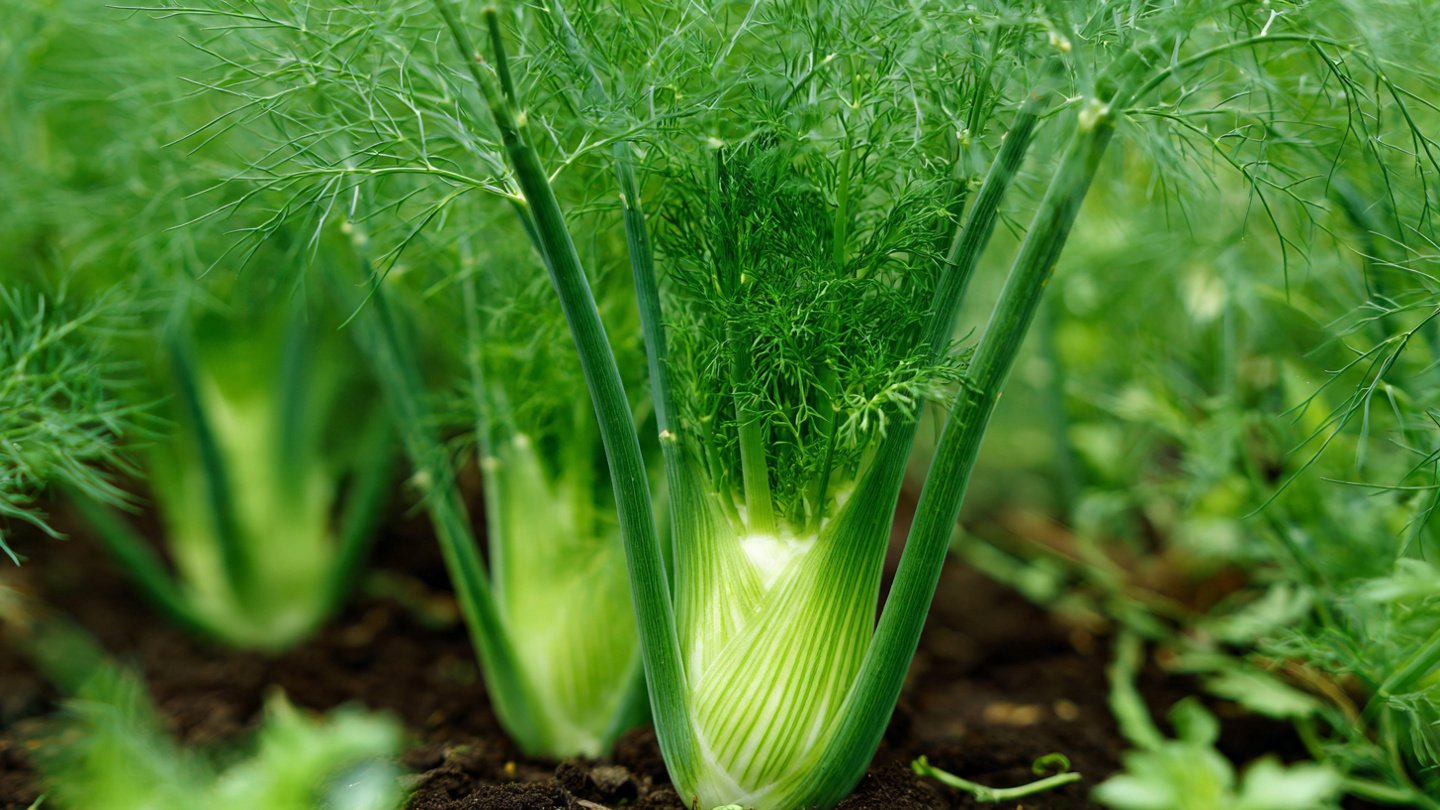
Fennel (Foeniculum vulgare) is a versatile herb that adds a distinct flavor to various dishes. While its bulb and seeds are widely known, fennel greens—an equally delightful part of the plant—are less recognized but equally aromatic and beneficial. This guide aims to provide you with all the information you need to grow fennel greens in your backyard garden successfully.
What is Fennel?
Fennel is a perennial herb belonging to the carrot family (Apiaceae). Native to the Mediterranean region, it has been cultivated for centuries for its culinary and medicinal properties. The plant consists of several parts, including the bulb, stalks, fronds (greens), and seeds. The greens, made up of delicate, feathery leaves, are particularly popular for garnishing, seasoning dishes, and enhancing salads.
Benefits of Growing Fennel Greens
- Culinary Uses: Fennel greens can be used in a variety of ways, such as in salads, soups, and fish dishes. Their anise-like flavor complements many ingredients, adding a unique touch to your meals.
- Health Benefits: Fennel is known for its digestive benefits, and its greens are packed with antioxidants, vitamins C and A, and essential minerals like potassium and manganese.
- Pest Deterrent: Fennel can attract beneficial insects like ladybugs and parasitic wasps, which help control garden pests, making it an excellent companion plant.
- Ornamental Value: The feathery fronds of fennel add an aesthetic appeal to gardens, providing texture and greenery.
Best Conditions for Growing Fennel Greens
1. Soil Requirements
Fennel thrives in well-draining soil with a pH level ranging from 6.0 to 7.0. Incorporate plenty of organic matter, such as compost, to improve soil structure and provide essential nutrients. Fennel prefers loamy or sandy soil that retains moisture but also drains excess water effectively.
2. Sunlight
Fennel requires full sun to flourish. Aim for at least 6 to 8 hours of sunlight daily. In regions with extremely hot summers, consider providing partial shade during the hottest part of the day to prevent bolting (premature flowering).
3. Watering Needs
This herb needs consistent moisture, particularly during the germination phase. Water deeply but infrequently to encourage robust root development. Avoid allowing the soil to dry out completely or become waterlogged.
Latest Posts
- OnePlus Turbo 6V 5G Launched – for Gamers with 9000mAh Battery, 220MP Camera & Snapdragon 8s Gen 4
- Realme GT 8 Pro Officially Launched – 200MP Camera, 7,000mAh Battery and Snapdragon 8 Elite
- OPPO K13 Turbo 5G Launched – 7,000mAh Battery, 50MP Camera and High-Performance Chipset
- Realme 17 Pro 5G Unveiled – IP69K Certified, 200MP Camera and Massive 8600mAh Battery
- Vivo Premium Smartphone Launched – 200MP Camera, 90W Fast Charging and 16GB RAM
- POCO F8 Ultra Launched – Snapdragon Flagship Power, Bose Audio and Huge Battery
- POCO F8 Ultra Launched – Snapdragon Flagship Power, Bose Audio and Huge Battery
- OnePlus Nord 3 5G Launched – 120Hz AMOLED Display, 50MP Camera and 5,000mAh Battery
- OnePlus Nord CE4 Launched – Powerful Snapdragon 7 Gen 3, 50MP Camera and Long-Lasting Battery
- OnePlus Smartphone Revealed – Premium 5G Smartphone with 200MP Camera, 24GB RAM and 100W Fast Charging

4. Temperature
Fennel prefers cooler conditions, ideally between 60°F and 70°F (15°C to 21°C). It can tolerate light frost, but extreme temperatures can affect its growth and flavor.
Planting Fennel Greens
1. Choosing the Right Seeds
Select high-quality seeds from reliable sources. You can choose from common fennel varieties like “Florence,” which offers a more robust taste.
2. Direct Sowing or Transplanting
You can sow fennel seeds directly into the ground or start them indoors and transplant them later.
- Direct Sowing: Sow seeds outdoors about 1/4 inch deep and 12–24 inches apart. Thin the sprouts to a distance of 12 inches once they reach a few inches in height.
- Indoor Seed Starting: Start seeds indoors 6-8 weeks before the last expected frost. Use seed trays filled with potting soil. Transplant seedlings outdoors when they’re about 6 inches tall.
3. Spacing
Space fennel plants about 12-18 inches apart. This spacing allows adequate airflow around each plant, reducing the risk of disease and ensuring that each plant has room to grow.
Care and Maintenance
1. Weeding
Regularly remove weeds that compete for nutrients and water. Mulching around the base of the fennel plants can help suppress weeds and retain soil moisture.

2. Fertilizing
Fennel is a light feeder. Apply a balanced fertilizer when planting and again mid-season, following the package instructions for application rates.
3. Monitoring for Pests and Diseases
Fennel is generally resistant to pests, but keep an eye on aphids, slugs, and whiteflies. You can remove pests by hand or use insecticidal soap for treatment.
Common diseases include powdery mildew and root rot. Ensuring good airflow and not overwatering can help prevent these issues.
Harvesting Fennel Greens
Fennel greens can be harvested once the plants reach a height of about 12 inches. Use scissors to snip off the fronds, making sure to leave some of the plant intact for continuous growth. Fennel greens have a delicate structure, so be gentle during harvesting.
1. Timing for the Best Flavor
Fennel greens have the best flavor in the cooler days of spring or fall. Avoid harvesting during the hottest summer months to prevent the greens from becoming bitter.

2. Storing Fennel Greens
If you’ve harvested more than you can use immediately, store the fronds in a plastic bag in the refrigerator. They can last up to a week. You can also freeze the greens to preserve their flavor for later use.
Culinary Uses of Fennel Greens
Fennel greens can be used in many delicious ways:
- Garnishes: Use the fronds to garnish soups, stews, and fish dishes.
- Salads: Add finely chopped fennel greens to salads for a fresh, anise-flavored kick.
- Seasoning: Incorporate the greens into marinades, dressings, or pesto for depth of flavor.
- Cooking: Blend the greens into vegetable or fish dishes as a finishing touch.
FAQs
1. Can I grow fennel in pots?
Yes, fennel can be grown in pots. Make sure the pot is large enough (at least 12 inches deep) and has good drainage.
2. How long does fennel take to grow?
Fennel typically takes 75-80 days from seed to harvest. You can begin harvesting the fronds as soon as they are substantial enough to use.
3. What to do if fennel bolts?
If fennel starts to bolt (flowering prematurely), you can try to prevent it by providing shade and water. However, bolted fennel will have a different flavor; you can still use it for its seeds.

4. Is fennel a perennial or annual plant?
Fennel can be a perennial in warmer climates but is often grown as an annual in cooler regions.
5. Can I use fennel greens instead of dill?
Yes, fennel greens can be used as a substitute for dill due to their similar flavor profile. However, note that they have a more pronounced anise flavor.
6. Do I need to prune fennel?
Pruning isn’t generally necessary, but you can remove any dead or damaged fronds to encourage healthy growth.
7. Can fennel be grown in winter?
In mild climates, fennel can be grown in winter, but it will need protection from frost. In colder regions, plant it as a spring or fall crop.
Conclusion
Cultivating fennel greens in your backyard garden is a rewarding endeavor that brings both culinary and aesthetic benefits. By following this guide, you can successfully grow fennel and enrich your meals with its delicious, aromatic greens. Happy gardening!