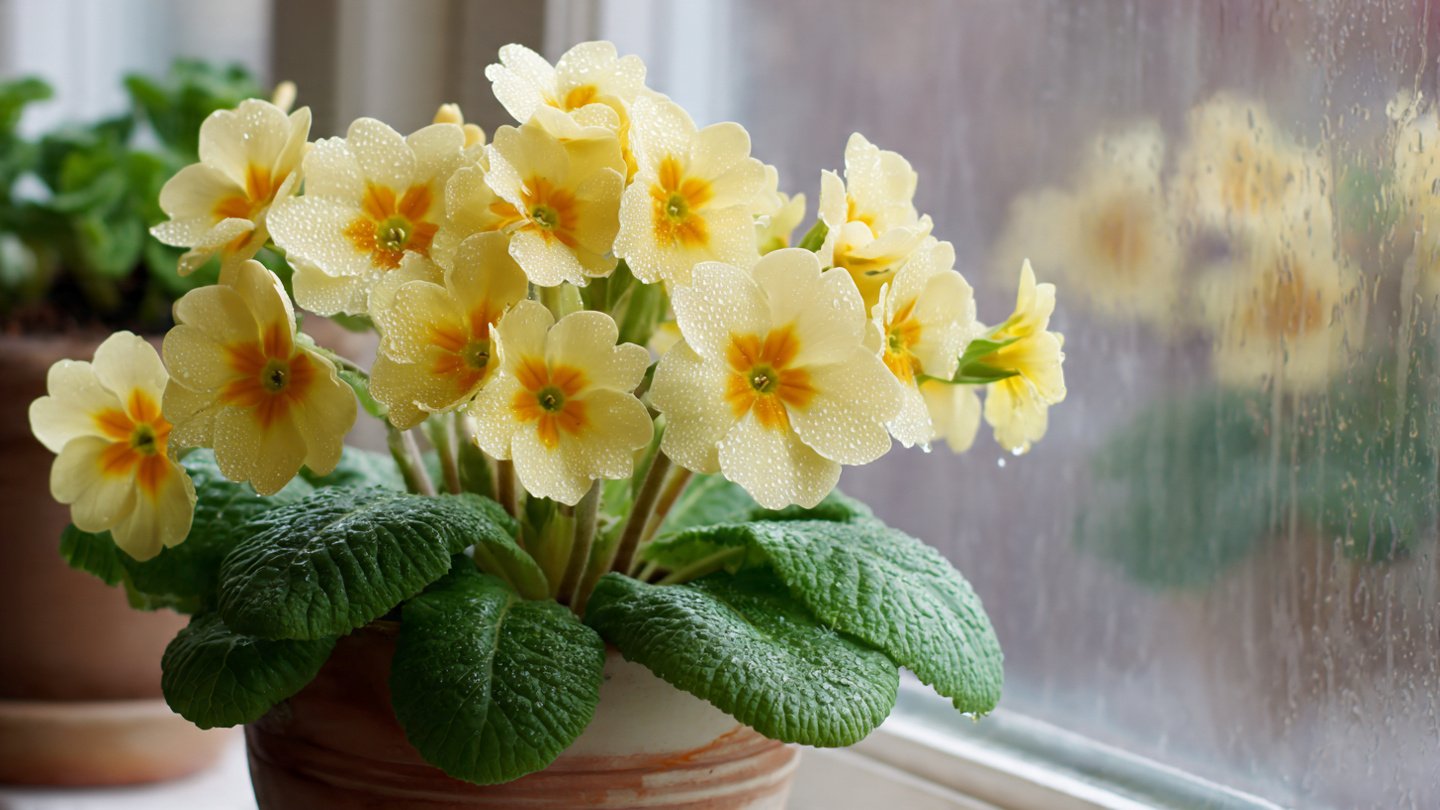
Primroses, known scientifically as Primula, are enchanting flowering plants that bring a splash of color and life to any indoor space. With vibrant blossoms ranging from delicate pastels to bold hues, primroses can bloom throughout the year with the right care and conditions. This guide will provide you with easy steps to successfully grow primrose indoors year-round, ensuring that your home is cheerful and inviting.
Understanding Primroses
Characteristics
Latest Posts
- OnePlus Turbo 6V 5G Launched – for Gamers with 9000mAh Battery, 220MP Camera & Snapdragon 8s Gen 4
- Realme GT 8 Pro Officially Launched – 200MP Camera, 7,000mAh Battery and Snapdragon 8 Elite
- OPPO K13 Turbo 5G Launched – 7,000mAh Battery, 50MP Camera and High-Performance Chipset
- Realme 17 Pro 5G Unveiled – IP69K Certified, 200MP Camera and Massive 8600mAh Battery
- Vivo Premium Smartphone Launched – 200MP Camera, 90W Fast Charging and 16GB RAM
- POCO F8 Ultra Launched – Snapdragon Flagship Power, Bose Audio and Huge Battery
- POCO F8 Ultra Launched – Snapdragon Flagship Power, Bose Audio and Huge Battery
- OnePlus Nord 3 5G Launched – 120Hz AMOLED Display, 50MP Camera and 5,000mAh Battery
- OnePlus Nord CE4 Launched – Powerful Snapdragon 7 Gen 3, 50MP Camera and Long-Lasting Battery
- OnePlus Smartphone Revealed – Premium 5G Smartphone with 200MP Camera, 24GB RAM and 100W Fast Charging
Primroses are perennial plants, meaning they can live for multiple years. They typically bloom in spring, but with proper care, they can flower all year long indoors. The leaves are generally broad and can be green or slightly hairy, which adds texture to the plant.
Varieties
There are numerous species of primroses, with the most common indoor varieties being:
- Common Primrose (Primula vulgaris)
- Scented Primrose (Primula obconica)
- Chinese Primrose (Primula sinensis)
Each type has unique flower shapes and colors, making them a versatile addition to your indoor garden.
Step-by-Step Guide to Growing Primrose Indoors
Step 1: Selecting the Right Pot and Soil
Pot Selection

- Use a pot with drainage holes to prevent waterlogging, which can lead to root rot.
- Choose a pot that is slightly larger than the root ball of the primrose you are planting.
Soil Requirements
- Use a well-draining potting mix. A mix specifically designed for blooming plants often works best.
- You can also create your own mix by combining regular potting soil with perlite or sand to enhance drainage.
Step 2: Finding the Perfect Location
Primroses thrive in bright, indirect light. Here’s how to choose the right spot:
- Window Placement: Place them near an east or north-facing window for soft morning sunlight.
- Avoid Direct Sunlight: Prolonged exposure to direct sunlight can scorch the leaves and flowers.
Step 3: Watering Wisely
Watering Primroses requires a careful balance:
- Soil Moisture: Keep the soil consistently moist but not soggy. Let the top inch of soil dry out before watering again.
- Watering Schedule: Typically, watering once a week is sufficient, but this may vary based on humidity and temperature.

Step 4: Maintaining Humidity
Primroses prefer high humidity levels:
- Humidity Levels: Aim for humidity levels around 50-70%.
- Methods to Boost Humidity:
- Pebble Tray: Place a tray filled with water and pebbles under the pot. Ensure that the bottom of the pot is above the water.
- Mist: Lightly mist the leaves daily, particularly in winter when indoor air tends to be drier.
Step 5: Fertilizing Regularly
To promote flowering, fertilize your primrose:
- Type of Fertilizer: Use a balanced, water-soluble fertilizer, such as a 20-20-20 formula.
- Fertilizing Schedule: Feed every 4-6 weeks during the growing season (spring and summer). Skip fertilizing in the fall and winter when growth slows.
Step 6: Pruning and Deadheading
To encourage healthier growth and increase flowering:

- Deadheading: Remove spent flowers to promote new blooms.
- Pruning: Trim away any yellow or damaged leaves to keep the plant looking tidy and healthy.
Step 7: Pest and Disease Management
Primroses are relatively resistant to pests and diseases but can succumb to a few issues:
-
Common Pests:
- Aphids: Look for tiny insects on the undersides of leaves. Use insecticidal soap or neem oil to control them.
- Spider Mites: Fine webs may appear on the plant. Increase humidity and use horticultural oil.
-
Diseases:
- Root Rot: Caused by overwatering. Ensure proper drainage and adjust your watering schedule.
- Powdery Mildew: Characterized by a white powdery substance on leaves. Improve air circulation and avoid overhead watering.
Step 8: Temperature Considerations
Primroses prefer cooler temperatures:

- Ideal Range: 60-70°F (15-21°C) is optimal during the day, while nights can be cooler, around 50-55°F (10-13°C).
- Avoid Heat Sources: Keep your primroses away from heaters or other temperature fluctuations.
Seasonal Considerations for Year-Round Growth
Fall and Winter Care
- Light Considerations: Days are shorter, so consider using grow lights if natural light is insufficient.
- Watering: Reduce watering frequency as the plant’s growth slows. Monitor the soil closely to prevent overwatering.
Spring and Summer Care
- Repotting: If the plant has outgrown its pot, consider repotting in early spring.
- Increase Light: As days get longer, ensure your primrose is receiving adequate light, possibly moving it to a brighter spot if necessary.
FAQs about Growing Primrose Indoors
1. Can I grow primroses from seeds indoors?
Yes, you can grow primroses from seeds. Start by planting seeds in a seed-starting mix and provide light and moisture until they germinate. Be patient, as they can take several weeks to sprout.
2. How often should I water my primrose?
Water your primrose when the top inch of the soil feels dry. Typically, this means watering once a week, but adjust based on humidity and temperature conditions.

3. What should I do if my primrose isn’t blooming?
If your primrose isn’t blooming, it may not be receiving enough light or nutrients. Ensure it’s in a bright spot and consider fertilizing more frequently.
4. Can I keep primroses in my bathroom?
Yes, as long as the bathroom has sufficient light, high humidity levels are advantageous for primroses. Just ensure the light conditions are suitable.
5. Why are the leaves of my primrose turning yellow?
Yellowing leaves can indicate overwatering or insufficient light. Check the moisture level of the soil and adjust your watering schedule. Also, ensure it’s getting enough indirect sunlight.
6. How long will my primrose last indoors?
With proper care, primroses can last for several months indoors, even blooming continuously if conditions are favorable.
7. Can primroses be grown indoors year-round?
Absolutely! With the right light, water, and humidity, primroses can thrive indoors throughout the year, allowing you to enjoy their beautiful blooms no matter the season.
Conclusion
Growing primroses indoors year-round is not only achievable but can also be a rewarding experience that adds a burst of color and joy to your home. With the right potting mix, light conditions, watering routines, and attentive care, your primroses will thrive and provide you with beauty throughout the year. Whether you choose to grow them from seeds, cuttings, or purchased plants, implementing these easy steps will guide you toward a flourishing indoor garden. Happy gardening!