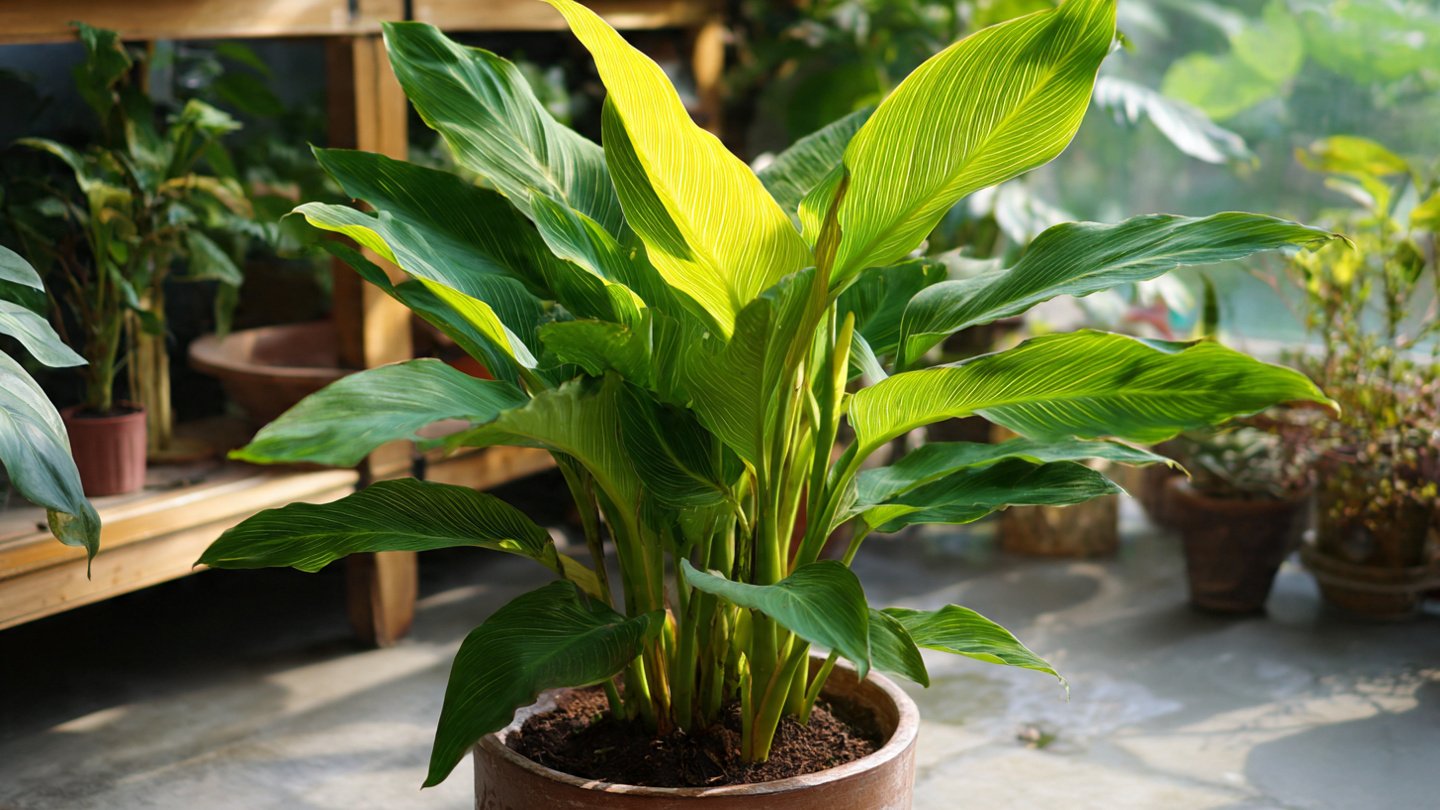
Turmeric (Curcuma longa) is a perennial herb known for its vibrant yellow rhizomes and numerous health benefits, including its anti-inflammatory and antioxidant properties. Growing turmeric can be a rewarding endeavor, whether you choose to cultivate it indoors or outdoors. This article outlines effective techniques for growing turmeric, catering to beginners, and includes a FAQs section to address common concerns.
Understanding Turmeric
Before diving into cultivation techniques, it’s essential to understand turmeric’s needs and characteristics. Turmeric is native to Southeast Asia and thrives in warm, humid conditions with well-drained soil. The plant grows about 3 to 4 feet tall and produces large green leaves, which can also be used in cooking.
Latest Posts
- OnePlus Turbo 6V 5G Launched – for Gamers with 9000mAh Battery, 220MP Camera & Snapdragon 8s Gen 4
- Realme GT 8 Pro Officially Launched – 200MP Camera, 7,000mAh Battery and Snapdragon 8 Elite
- OPPO K13 Turbo 5G Launched – 7,000mAh Battery, 50MP Camera and High-Performance Chipset
- Realme 17 Pro 5G Unveiled – IP69K Certified, 200MP Camera and Massive 8600mAh Battery
- Vivo Premium Smartphone Launched – 200MP Camera, 90W Fast Charging and 16GB RAM
- POCO F8 Ultra Launched – Snapdragon Flagship Power, Bose Audio and Huge Battery
- POCO F8 Ultra Launched – Snapdragon Flagship Power, Bose Audio and Huge Battery
- OnePlus Nord 3 5G Launched – 120Hz AMOLED Display, 50MP Camera and 5,000mAh Battery
- OnePlus Nord CE4 Launched – Powerful Snapdragon 7 Gen 3, 50MP Camera and Long-Lasting Battery
- OnePlus Smartphone Revealed – Premium 5G Smartphone with 200MP Camera, 24GB RAM and 100W Fast Charging
Ideal Growing Conditions
Climate:
Turmeric prefers a tropical or subtropical climate. Ideal temperatures range from 70°F to 90°F (21°C to 32°C), with high humidity. In cooler regions, turmeric can still be grown, but it may require special considerations.
Light:
This herb thrives in partial shade to full sunlight. While it can tolerate some shade, too little light can lead to poor growth and lower rhizome yields.
Soil:
Well-draining, loamy soil enriched with organic matter is best for turmeric. The pH should be between 6.0 and 7.0. Good drainage is essential to prevent rot.
Growing Turmeric Indoors
Growing turmeric indoors can be an excellent option for those with limited outdoor space or unsuitable climates. Here’s how to successfully cultivate turmeric indoors:
1. Selecting the Right Container
Choose a pot that is at least 12 inches deep and wide to allow for adequate growth. Turmeric likes to spread underground, so a larger container gives the rhizomes room to grow.

2. Preparing the Soil
Use a mix of potting soil, compost, and perlite to ensure good drainage. Adding organic matter not only enhances nutrient content but also improves moisture retention.
3. Choosing Rhizomes
Purchase fresh, organic turmeric rhizomes from a reputable source. Look for plump, firm rhizomes with at least one bud, which is vital for sprouting.
4. Planting Rhizomes
- Soak the rhizomes in water overnight to help them absorb moisture.
- Plant the rhizomes about 2 inches deep, with the buds facing upward.
- Water the soil thoroughly after planting.
5. Providing Adequate Light
Position the container in a spot that receives bright but indirect sunlight. If natural light is insufficient, consider using fluorescent or LED grow lights to ensure the plant gets at least 12 hours of light daily.
6. Maintaining Humidity
Turmeric loves humidity, so consider using a humidifier or placing a tray of water near the plant to increase moisture levels. Misting the leaves can also help.

7. Watering
Water regularly to keep the soil consistently moist but not waterlogged. Allow the top inch of soil to dry out between watering sessions.
Growing Turmeric Outdoors
For those with outdoor space, growing turmeric can be more straightforward. Follow these steps to cultivate turmeric outdoors:
1. Selecting a Planting Location
Choose a spot with partial shade or filtered sunlight, protected from harsh winds. The location should have good drainage to prevent waterlogging.
2. Preparing the Soil
Amend the soil with well-rotted compost or organic matter to improve fertility and drainage. Test the soil pH and amend it as necessary to fall within the recommended range.
3. Planting
- Like indoors, soak the rhizomes overnight before planting.
- Plant the rhizomes about 2 inches deep, with buds facing upward. Space them at least 12 inches apart to allow for growth.
- Water the planting area thoroughly.
4. Watering and Fertilization

Water the plants regularly, especially during dry spells. An organic liquid fertilizer can be applied every 4-6 weeks during the growing season to promote healthy growth.
5. Mulching
Add a layer of organic mulch around the plants to retain moisture, suppress weeds, and maintain a stable soil temperature. Straw, leaves, or wood chips work well.
6. Pest and Disease Management
Keep an eye out for pests like aphids, spider mites, and root rot. Use natural insecticides or insecticidal soap to manage infestations, and ensure proper spacing to improve air circulation and reduce disease risks.
Harvesting Turmeric
The time to harvest turmeric is generally 8 to 10 months after planting, depending on your climate. Once the leaves start to turn yellow and dry, it’s usually a sign that the rhizomes are ready for harvesting.
Steps to Harvest:
- Cut the Leaves: Use scissors to cut the leaves, leaving about an inch above ground.
- Dig Up the Rhizomes: Gently dig around the base of the plant using a garden fork or spade. Take care not to damage the rhizomes during this process.
- Cleaning and Storage: Clean the rhizomes under running water to remove soil. Allow them to dry in a shaded area for a few days. Store them in a cool, dry place away from sunlight.
Growing Turmeric from Seeds

While growing turmeric from rhizomes is more common, it is also possible to grow it from seeds, although the process is less straightforward and can be less reliable. Here’s how to do it:
- Seed Selection: Obtain turmeric seeds from reputable suppliers.
- Soaking: Soak the seeds for 24 hours to enhance germination.
- Planting: Plant the seeds in a pot with moist soil, covering them lightly.
- Care: Provide consistent moisture and warmth. Germination may take several weeks.
Common Challenges
-
Pests: Keep an eye out for common pests. Organic methods, like neem oil or insecticidal soap, can help control infestations.
-
Diseases: Root rot often occurs due to excessive moisture. Ensure proper drainage and avoid overwatering.
-
Light Issues: If indoor plants are not thriving, reassess their light exposure. Supplement with grow lights if necessary.
FAQs
1. Can turmeric grow in pots?
Yes, turmeric thrives in pots. Ensure the pot is at least 12 inches deep and has good drainage.

2. How long does it take turmeric to grow?
Turmeric takes about 8 to 10 months to mature and be ready for harvesting.
3. What is the best way to store fresh turmeric?
Store fresh turmeric rhizomes in a cool, dry place. You can also refrigerate them for longer shelf life.
4. Can I grow turmeric in a cold climate?
Turmeric can be grown in colder climates, but it may require indoor cultivation or protection from frost.
5. How often should I water turmeric?
Water turmeric regularly to keep the soil consistently moist but not waterlogged. Allow the top inch of soil to dry out between watering sessions.
6. What should I do if my turmeric plants are yellowing?
Yellowing leaves can indicate overwatering, pest issues, or nutrient deficiencies. Check the soil moisture and assess for pests.
Conclusion
Growing turmeric can be a fulfilling project that rewards you with this versatile spice’s health benefits and culinary uses. Whether you opt to grow it indoors or outdoors, following the right techniques will ensure a successful harvest. With some patience and care, even beginners can cultivate turmeric and enjoy its delightful flavors and health-promoting properties. Happy gardening!