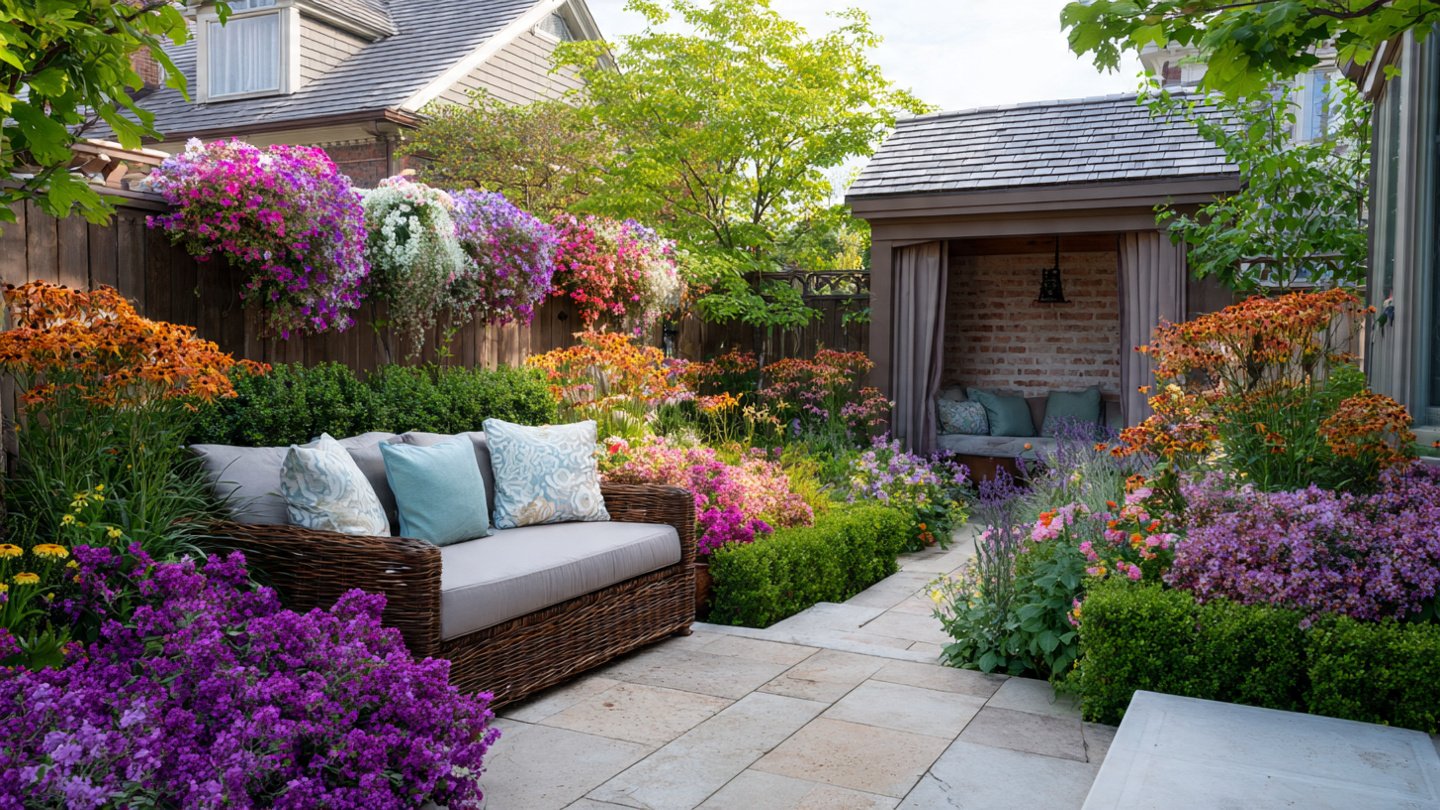
When it comes to home decor, the right plant pot can dramatically enhance the aesthetic of a space. While plants themselves bring life and color, the shapes and styles of the pots they inhabit play a fundamental role in contributing to visual appeal. Let’s explore various creative pot shapes, their unique characteristics, and how they can transform your living spaces.
The Importance of Pot Shapes
The shape of a pot can affect not only the aesthetic value of your plants but also their growth. Different shapes serve different purposes and can create different moods. Selecting the right pot shape can be a balancing act of function and form, ensuring the plant thrives while enhancing your interior design.
Latest Posts
- OnePlus Turbo 6V 5G Launched – for Gamers with 9000mAh Battery, 220MP Camera & Snapdragon 8s Gen 4
- Realme GT 8 Pro Officially Launched – 200MP Camera, 7,000mAh Battery and Snapdragon 8 Elite
- OPPO K13 Turbo 5G Launched – 7,000mAh Battery, 50MP Camera and High-Performance Chipset
- Realme 17 Pro 5G Unveiled – IP69K Certified, 200MP Camera and Massive 8600mAh Battery
- Vivo Premium Smartphone Launched – 200MP Camera, 90W Fast Charging and 16GB RAM
- POCO F8 Ultra Launched – Snapdragon Flagship Power, Bose Audio and Huge Battery
- POCO F8 Ultra Launched – Snapdragon Flagship Power, Bose Audio and Huge Battery
- OnePlus Nord 3 5G Launched – 120Hz AMOLED Display, 50MP Camera and 5,000mAh Battery
- OnePlus Nord CE4 Launched – Powerful Snapdragon 7 Gen 3, 50MP Camera and Long-Lasting Battery
- OnePlus Smartphone Revealed – Premium 5G Smartphone with 200MP Camera, 24GB RAM and 100W Fast Charging
Traditional Round Pots
Round pots are perhaps the most familiar pot shape, recognized for their universality and classic appeal. Their symmetry brings harmony, making them suitable for almost any setting, from rustic to modern. Often, these pots provide adequate drainage and root growth space, which is essential for plant health.
Advantages:
- Good air circulation for roots.
- Versatile for various plant types.
- Available in various sizes and materials.
Design Ideas:
Opt for pastel colors or textured finishes for a modern twist. Pair multiple round pots of different sizes to create a tiered effect, adding depth to your space.

Square and Rectangular Pots
Square pots bring a sense of structure and organization to your space. They are ideal for creating a more contemporary look and can be particularly striking when used in clusters. Rectangular pots can act as dividers in larger rooms, providing both greenery and a practical function.
Advantages:
- Efficient use of space in smaller areas.
- Great for promoting symmetry in design.
- Feasible for DIY planter projects.
Design Ideas:
Consider using square pots in a modern living space with minimalist furniture. Incorporate them as window box planters to enhance curb appeal.
Geometric Pots
For those wanting to make a bold statement, geometric pots offer a unique option. Triangular, hexagonal, or even asymmetrical shapes create visual intrigue and can serve as art pieces in themselves. These pots are particularly suitable for modern and edgy decor styles, appealing to individuals who appreciate unconventional aesthetics.
Advantages:
- High visual interest that sparks conversation.
- Distinct lines that complement modern decor.
- Encourages creativity in plant arrangement.

Design Ideas:
Use geometric pots in a backdrop of neutral tones to allow the unique shapes and colors to pop. Combine various geometric pots to create a captivating display that commands attention.
Hanging and Wall-Mounted Pots
Hanging pots bring a touch of whimsy and elevate the visual appeal of any room. They save space and allow you to utilize vertical areas for gardening or decoration. Wall-mounted pots can also free up floor space while creating an eye-catching living wall that can serve as a dynamic backdrop.
Advantages:
- Maximizes use of vertical space.
- Great for small apartments or homes.
- Creates an engaging focal point in any room.
Design Ideas:
Plant cascading vines in hanging pots for a flowing effect. Use wall-mounted pots to create a vertical herb garden in your kitchen, combining beauty with practicality.
Novelty and Themed Pots

Novelty pots bring a sense of fun and personality to your space. They come in various forms, mimicking animals, objects, or pop culture references. Themed pots can add character and whimsy, making them excellent choices for children’s rooms or casual spaces.
Advantages:
- Allows personal expression through decor.
- Perfect for creating themed setups.
- Engages children in gardening and plant care.
Design Ideas:
Mix and match novelty pots with more traditional styles to create a playful contrast. A quirky animal-shaped pot on a bookshelf can bring joy and spark conversations.
Material Considerations
While exploring creative pot shapes, it’s essential to consider the materials used. Clay, ceramic, plastic, metal, and even recycled materials each have unique characteristics that affect aesthetics and functionality.
Popular Materials:
- Clay: Offers breathability for roots and has a timeless appeal.
- Ceramic: Available in myriad colors and finishes, allowing creativity.
- Plastic: Lightweight and often less expensive, making it practical for large gardens.
- Metal: Provides a modern look but requires good drainage to prevent rust.
- Recycled Materials: Eco-friendly options that make a statement about sustainability.

Combining Pot Shapes
To truly enhance the visual appeal of your space, consider combining different pot shapes together. Using a mix of round, square, geometric, and hanging pots can create an eclectic but harmonious look. Play with sizes, colors, and textures to achieve a stimulating visual environment that feels vibrant and well-curated.
Conclusion
Exploring creative pot shapes is more than a decorative endeavor; it’s a way to express individuality and enhance the overall ambiance of your space. By understanding how different shapes, materials, and arrangements impact visual appeal, you can create environments that inspire and invigorate. Embrace the art of pot selection, and transform your plants into stunning focal points that elevate your home decor.
FAQs
What is the best pot shape for indoor plants?
The best pot shape depends on the type of plant and your interior design style. Round pots are versatile and great for most indoor plants, while square pots provide a more structured look.
How do I choose the right material for my plant pot?
Consider both aesthetics and functionality. If you want something decorative, ceramic may be ideal. For practicality, especially for larger plants, plastic or clay might be better options.

Can I mix different pot shapes in one display?
Absolutely! Mixing pot shapes can add visual interest and create a dynamic environment. Just ensure there’s a consistent theme, like color or material, to maintain cohesion.
Are there any pots that are better for specific types of plants?
Yes, some plants may thrive better in certain shapes due to their root systems. For example, deep-rooted plants often do well in tall pots, while succulents may prefer shallow, wide pots.
What size pot should I choose for my plants?
Choose a pot size based on the current size of your plant, ensuring there’s enough space for growth. A pot that is too small will hinder growth, while a pot that is too large may retain too much moisture.