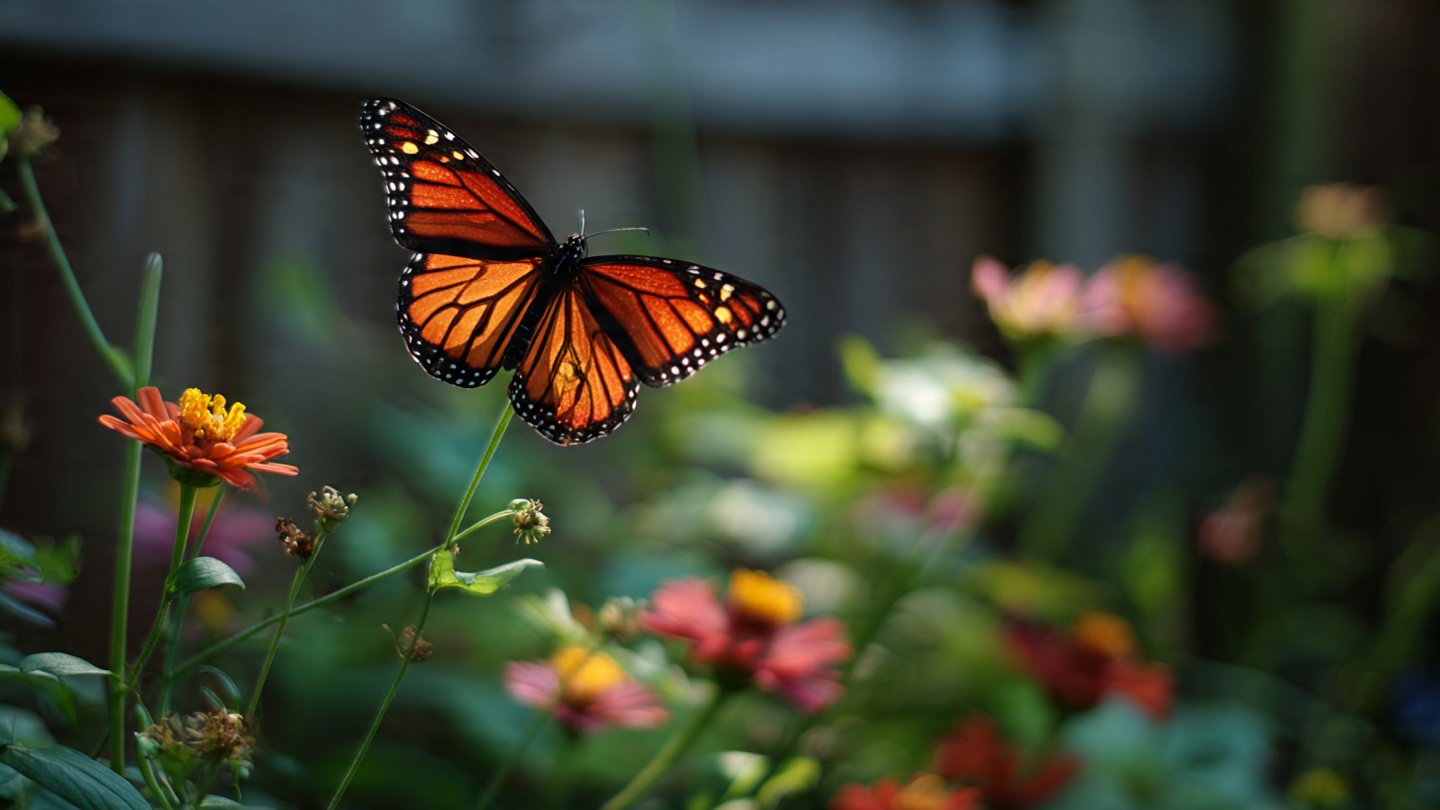
The beauty of a butterfly fluttering through the air is something many of us admire. Among all butterflies, the Monarch is a particularly fascinating species, known for its incredible migration patterns and striking appearance. However, they face numerous threats and their populations have been declining significantly in recent years. Creating a Monarch sanctuary in your backyard garden can provide a crucial habitat for these incredible insects while also enhancing your outdoor space.
Why Monarchs Matter
Monarch butterflies (Danaus plexippus) play a vital role in our ecosystem. They are essential pollinators, helping to fertilize many types of flowers and plants, which in turn leads to a healthy ecosystem. Additionally, Monarchs are vital to the food web; many birds and other wildlife rely on them as a food source. Unfortunately, habitat destruction, climate change, and pesticide use have led to a sharp decline in their population. By establishing a sanctuary, you contribute to conservation efforts while enjoying the beauty and benefits of having Monarchs in your garden.
Latest Posts
- OnePlus Turbo 6V 5G Launched – for Gamers with 9000mAh Battery, 220MP Camera & Snapdragon 8s Gen 4
- Realme GT 8 Pro Officially Launched – 200MP Camera, 7,000mAh Battery and Snapdragon 8 Elite
- OPPO K13 Turbo 5G Launched – 7,000mAh Battery, 50MP Camera and High-Performance Chipset
- Realme 17 Pro 5G Unveiled – IP69K Certified, 200MP Camera and Massive 8600mAh Battery
- Vivo Premium Smartphone Launched – 200MP Camera, 90W Fast Charging and 16GB RAM
- POCO F8 Ultra Launched – Snapdragon Flagship Power, Bose Audio and Huge Battery
- POCO F8 Ultra Launched – Snapdragon Flagship Power, Bose Audio and Huge Battery
- OnePlus Nord 3 5G Launched – 120Hz AMOLED Display, 50MP Camera and 5,000mAh Battery
- OnePlus Nord CE4 Launched – Powerful Snapdragon 7 Gen 3, 50MP Camera and Long-Lasting Battery
- OnePlus Smartphone Revealed – Premium 5G Smartphone with 200MP Camera, 24GB RAM and 100W Fast Charging
Steps to Create a Monarch Sanctuary
1. Choose the Right Location
Start by selecting a suitable location in your backyard. Look for a spot that receives ample sunlight, preferably at least six hours a day, as Monarchs thrive in sunny areas. Avoid places that are heavily shaded by trees or structures. Soil drainage is also important—ensure that the location does not collect standing water.
2. Plant Native Milkweed

Milkweed (Asclepias spp.) is essential for Monarchs as it is the only plant where female Monarchs will lay their eggs. Additionally, the leaves are the primary food source for the caterpillars. When selecting milkweed, consider local native varieties, as they are best suited to your climate and require less maintenance. Native plants help stabilize the local ecosystem and attract a broader range of beneficial insects.
- Common Milkweed (Asclepias Syriaca)
- Butterfly Milkweed (Asclepias tuberosa)
- Swamp Milkweed (Asclepias incarnata)
3. Provide Nectar Sources
In addition to milkweed, it’s crucial to plant a variety of nectar-producing flowers that bloom at different times throughout the growing season. This ensures a continuous food source for adult butterflies. Opt for native flowering plants to increase your chances of attracting Monarchs as well as other pollinators.
- Black-eyed Susans (Rudbeckia hirta)
- Bee Balm (Monarda spp.)
- Zinnias (Zinnia elegans)
- Butterfly Bush (Buddleja davidii)

4. Create Shelter and Habitat
Your garden should offer Monarchs a safe place to rest and hide from predators. Incorporate native shrubs and tall grasses that provide shelter. You may also consider creating a “butterfly house,” a simple wooden structure, to offer additional refuge during harsh weather conditions.
5. Avoid Pesticides and Herbicides
Using chemicals in your garden can be harmful to Monarchs and other beneficial insects. Pesticides can kill adult butterflies and caterpillars, while herbicides may eliminate the milkweed essential for their lifecycle. Opt for organic gardening methods to maintain a healthy ecosystem while controlling pests naturally.
6. Water Sources
Like all living creatures, Monarchs need water. Create a shallow water source, such as a birdbath or a shallow dish filled with pebbles and water. Monarchs can land on the pebbles to drink safely without the risk of drowning.

7. Educate Yourself and Others
Understanding the life cycle of Monarchs and their migratory behaviors can enhance your gardening experience. Share this knowledge with friends and family, encouraging them to create their own Monarch sanctuaries. Engaging with local conservation groups can also provide support and resources for your efforts.
8. Monitor and Maintain Your Sanctuary
Once your garden is established, monitor its progress. Keep an eye on the plants and the butterflies, making changes as necessary. Note any caterpillars or eggs you spot, and ensure that milkweed is thriving. Regular watering and weeding are essential to maintain a healthy habitat.
Conclusion
Creating a Monarch sanctuary in your backyard is not only beneficial for these remarkable creatures, but it also adds beauty and ecological value to your outdoor space. By following the steps outlined above, you can develop a habitat that attracts Monarchs and supports their lifecycle. Each small action contributes to broader conservation efforts, helping to ensure that Monarch butterflies continue to grace our gardens and landscapes for generations to come. So grab your gardening tools, plant some milkweed, and enjoy the transformative experience of attracting these glorious butterflies to your home!
FAQs

1. How long do Monarch butterflies live?
The lifespan of a Monarch butterfly varies by generation. Summer generations live about 2 to 6 weeks, while the migratory generation can live up to 8 months. This longer lifespan allows them to complete their incredible migration journey.
2. When is the best time to plant milkweed?
The best time to plant milkweed is in the spring after the last frost, or in the fall, to allow roots to establish before winter. Check your local climate and conditions for optimum planting times.
3. How can I tell if I have Monarch caterpillars in my garden?
Monarch caterpillars are easily recognizable; they have a distinct stripy appearance with bands of yellow, black, and white. Look for them on milkweed plants, where they like to munch on the leaves.
4. Can I raise Monarch butterflies indoors?
Yes, raising Monarchs indoors is possible. Create a safe enclosure with milkweed and ensure you provide adequate ventilation and sunlight. Be mindful of their needs for water and space. However, always follow best practices to ensure a successful release back into the wild.

5. Are there any specific tools I need to create a Monarch sanctuary?
Basic gardening tools will suffice, such as trowels, shovels, and watering cans. Additionally, consider investing in a butterfly house and a watering station. Keep natural gardening practices in mind to support a healthier habitat.