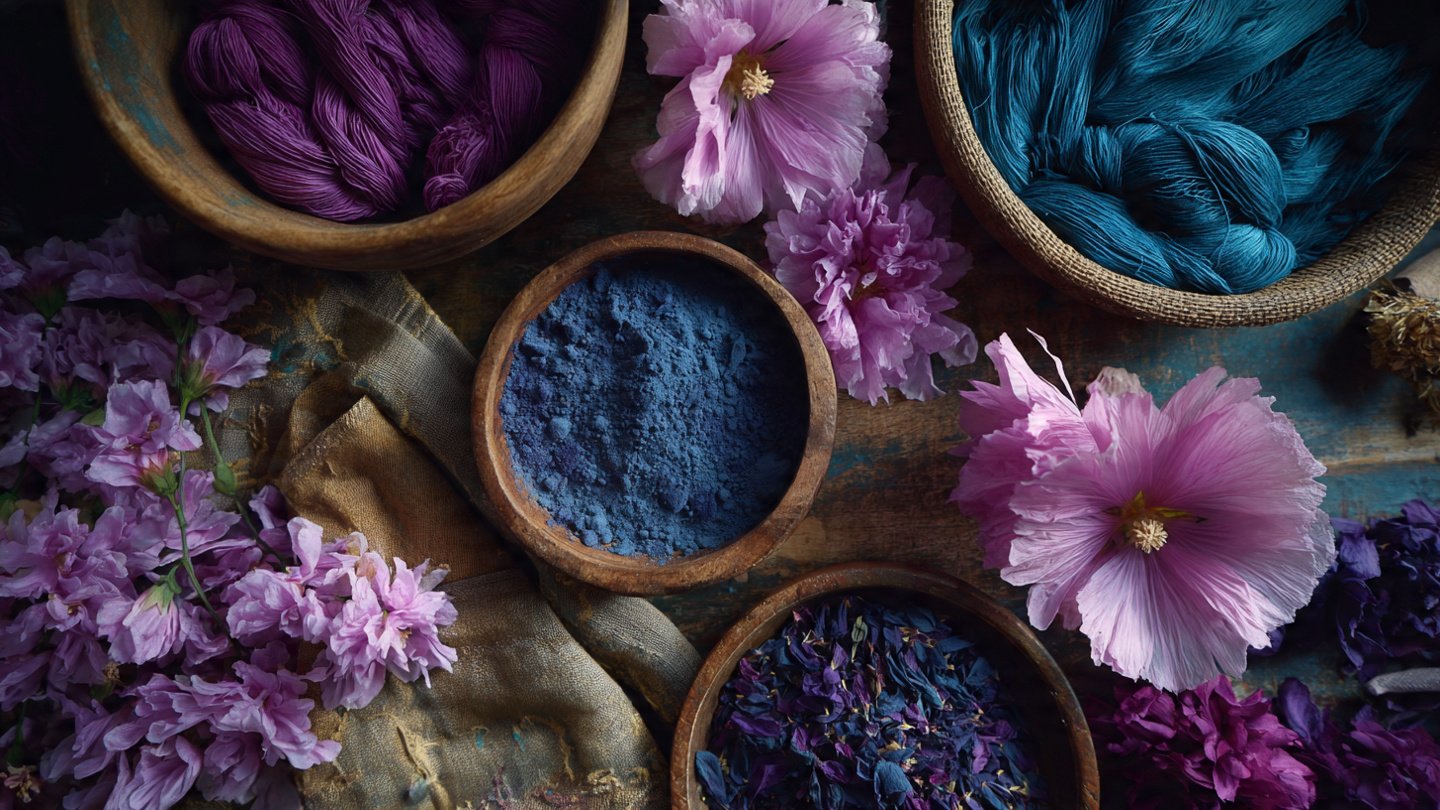
Introduction to Natural Dye Gardens
Creating a natural dye garden not only allows you to produce beautiful colors for textiles, but it also connects you with nature and provides a sustainable alternative to synthetic dyes. With the right planning and knowledge, cultivating such a garden can be both simple and rewarding. This article will guide you through the various aspects of creating your own natural dye garden with ease.
Choosing the Right Location
Latest Posts
- OnePlus Turbo 6V 5G Launched – for Gamers with 9000mAh Battery, 220MP Camera & Snapdragon 8s Gen 4
- Realme GT 8 Pro Officially Launched – 200MP Camera, 7,000mAh Battery and Snapdragon 8 Elite
- OPPO K13 Turbo 5G Launched – 7,000mAh Battery, 50MP Camera and High-Performance Chipset
- Realme 17 Pro 5G Unveiled – IP69K Certified, 200MP Camera and Massive 8600mAh Battery
- Vivo Premium Smartphone Launched – 200MP Camera, 90W Fast Charging and 16GB RAM
- POCO F8 Ultra Launched – Snapdragon Flagship Power, Bose Audio and Huge Battery
- POCO F8 Ultra Launched – Snapdragon Flagship Power, Bose Audio and Huge Battery
- OnePlus Nord 3 5G Launched – 120Hz AMOLED Display, 50MP Camera and 5,000mAh Battery
- OnePlus Nord CE4 Launched – Powerful Snapdragon 7 Gen 3, 50MP Camera and Long-Lasting Battery
- OnePlus Smartphone Revealed – Premium 5G Smartphone with 200MP Camera, 24GB RAM and 100W Fast Charging
Before starting your dye garden, it’s essential to choose a location that provides adequate sunlight, drainage, and water access. Follow these steps for selecting the perfect spot:
- Sunlight: Most dye plants thrive in full sun. Find an area that gets at least six hours of direct sunlight daily.
- Soil Quality: Rich, well-drained soil is critical. If your soil is poor, consider amending it with compost before planting.
- Accessibility: Choose a location that is easy to access for maintenance and harvesting.
Selecting Dye Plants
Choosing the right plants for your dye garden is crucial for obtaining various colors. Here are some popular dye plants to consider:

- Indigo (Indigofera tinctoria): Produces rich blues. It’s a staple in traditional dyeing practices.
- Madder (Rubia tinctorum): Offers shades ranging from pink to red, making it a versatile choice.
- Yellow Dock (Rumex crispus): Provides a bright yellow dye.
- Coreopsis (Coreopsis tinctoria): Yields a cheerful yellow or orange dye.
- Marigold (Tagetes spp.): Emits wonderful yellow to gold hues.
- Weld (Reseda luteola): Known for giving vibrant yellow shades and is easy to grow.
Preparing Your Soil
A fertile environment is key for healthy plants. Here’s how to prepare your soil:
- Testing Soil: Consider using a soil testing kit to analyze pH levels and nutrient content.
- Adding Organic Matter: Incorporate compost or well-rotted manure to enrich the soil.
- Tilling: Till the soil to a depth of at least 12 inches to aerate it and mix in amendments.

Planting Your Dye Garden
Now that your soil is ready, it’s time to plant your dye plants. Here’s a step-by-step guide:
- Timing: Plant in the spring after the last frost date for your area. Check local gardening resources for specifics.
- Spacing: Follow spacing guidelines for each type of plant. In general, allow 12-18 inches between plants to enable good air circulation.
- Watering: Water plants immediately after planting. Check the moisture regularly, especially during dry spells.
Maintaining Your Dye Garden
Like any garden, a dye garden requires ongoing maintenance. Here are key practices to keep your plants healthy:
- Weeding: Regularly remove weeds that compete for nutrients and water.
- Fertilizing: Apply organic fertilizer every few weeks to promote healthy growth.
- Pest Control: Monitor for pests and employ natural deterrents like neem oil or insecticidal soap if necessary.

Harvesting Plants for Dye
Once your plants are mature, it’s time to harvest them for dyeing. Here’s how to do it:
- Timing: Harvest at peak color, which is usually just before flowering.
- Method: Use sharp scissors to cut the plants, ideally early in the morning when moisture levels are high.
- Storage: Fresh plant material can be used immediately, but you can also dry it for later use.
Dyeing Techniques
Now that you’ve harvested your plants, it’s time to transform them into color for your fabrics. Here are some dyeing methods to try:

- Simmering: Boil your plant material in water to extract the dye and then strain out the plants before adding your fabric.
- Cold Dyeing: Soak your fabric in water with the dye material for several days for a gentler dyeing process.
- Shibori: Use this Japanese technique of folding and binding fabrics to create unique patterns while dyeing.
Conclusion
Creating a natural dye garden is a gratifying endeavor that not only provides beautiful colors for your textiles but also fosters a deeper connection with nature. By selecting suitable plants, preparing your soil well, and maintaining your garden with care, you can enjoy the fruits of your labor for years to come. Whether you’re a seasoned gardener or a newcomer, the joy of working with natural dyes will enrich your creative pursuits.
FAQs
No, basic kitchen supplies like pots, strainers, and old towels will suffice for dyeing fabrics naturally.

Not all plants yield dye. Stick to known dye plants like those mentioned in this article for the best results.
The longevity of natural dyes can vary. To enhance longevity, mordanting fabrics prior to dyeing is recommended.
Yes, natural dyes are generally safe. However, properly mordanting and washing fabrics is essential to maintain color and ensure safety.
While possible, it’s best to use a dedicated pot on the stove for more controlled dyeing, as machine dyeing can lead to uneven results.