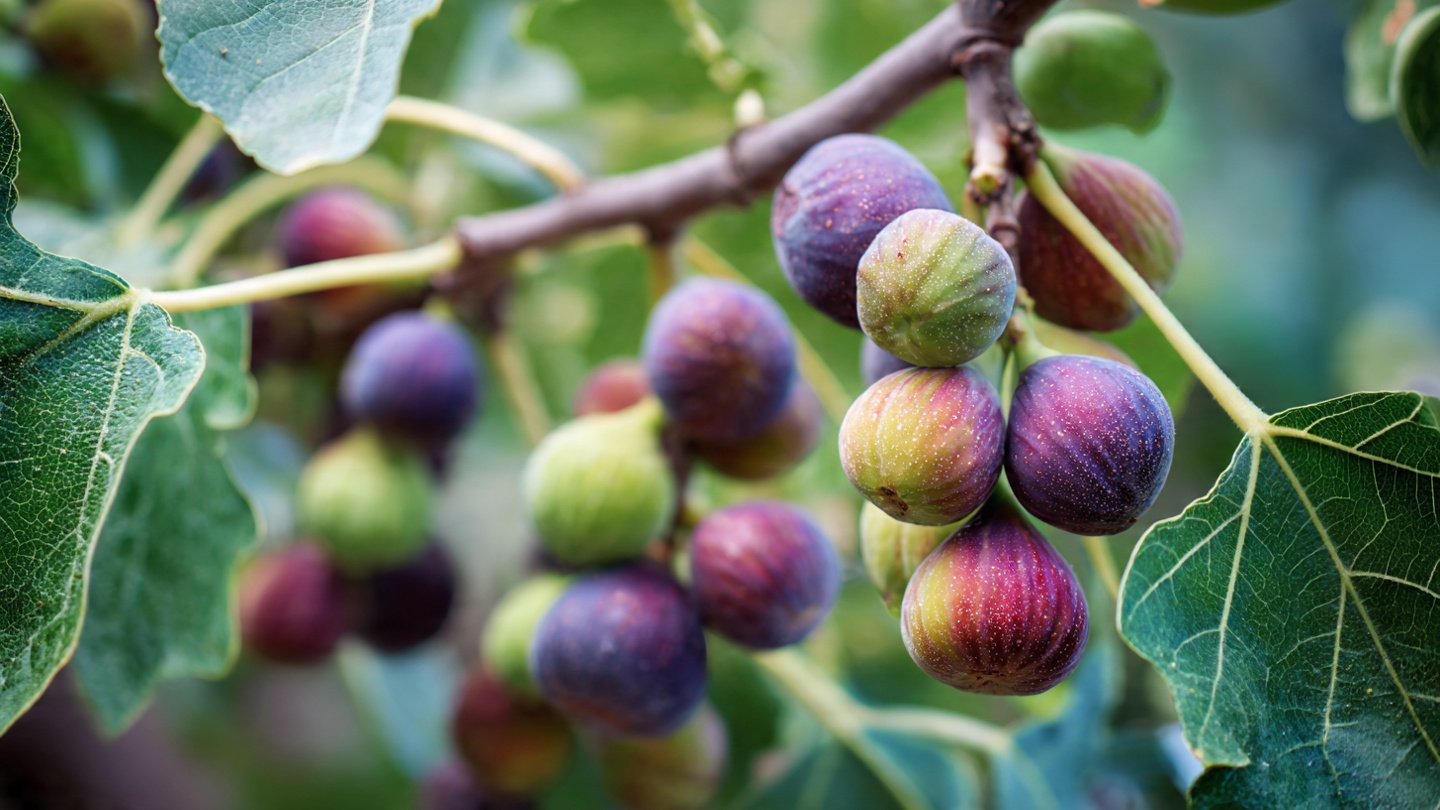
Growing a massive crop of honey figs can be a fulfilling venture, offering not only a delightful treat but also good profits for those who wish to cultivate them. While there are many methods and techniques available for fig cultivation, one simple trick can dramatically boost your yield and quality. This article will explore this technique along with other essential tips that will help you maximize your honey fig harvest.
To begin with, the first step in successful fig cultivation is selecting the right variety. Honey figs, also known as “Kadota” or “Smyrna” figs, are particularly prized for their sweet taste and juicy texture. As a beginner or seasoned gardener, knowing your desired variety is crucial. There are many types of fig trees, but not all of them will thrive in your specific environment. Research local nurseries or online resources to find the most suitable honey fig varieties for your zone.
Once you’ve chosen your fig variety, understanding their preferred growing conditions is vital. Fig trees grow best in warm, temperate climates with plenty of sunlight. Ideally, they need 6 to 8 hours of full sun each day. Locate a spot in your garden that meets this criterion. If you live in a colder region, consider planting fig trees in pots that can be moved indoors during extreme weather. This flexibility allows you to maintain an ideal growing environment year-round.
Next, soil preparation is another essential factor in fig cultivation. Fig trees thrive in well-draining soil rich in organic matter. Conduct a simple soil test to determine pH and nutrient levels. Ideally, figs prefer slightly acidic to neutral soil (pH 6.0-7.0). You may need to amend your soil with compost, aged manure, or other organic materials to improve its fertility and drainage.
Now, let’s delve into the one simple trick that can significantly improve your honey fig yield: strategic pruning. Pruning fig trees may seem counterintuitive, especially if you’re hoping for more fruit. However, this technique encourages healthier growth, improves air circulation, and allows sunlight to reach all parts of the tree.
Proper pruning starts in the early spring, just before the growing season. First, remove any dead or diseased branches. Then focus on thinning out crowded areas of the tree. The goal is to maintain an open canopy with a balanced shape. Aim for 4-6 main branches, which allows the tree to focus its energy on producing fruit rather than excessive foliage. This targeted growth produces fewer but better-quality figs.
Another aspect of pruning is timing your cuts. Early spring is ideal for most fig varieties; however, late summer can also be beneficial for new growth. This technique is called summer pruning, which can stimulate a second crop of figs in certain varieties. Keep in mind that figs produce fruit on new wood, so don’t hesitate to prune without overthinking it.
In addition to strategic pruning, watering practices can elevate your fig crop’s health and yield. While figs are drought-tolerant once established, they need regular irrigation to produce a bounty of fruit. During the growing season, deep watering is essential, especially during dry spells. Try to maintain the soil’s moisture level without waterlogging. Using mulch can help retain moisture, suppress weeds, and maintain soil temperature. Organic mulches, like wood chips or straw, can contribute nutrients back to the soil as they decompose.
Fertilization is another critical element in cultivating robust honey figs. Figs can be nutrient-sensitive, so it’s essential to provide balanced fertilizers. A general-purpose fertilizer in early spring will give your trees a good boost. Look for fertilizers labeled for fruit trees, which typically contain a higher middle number in the N-P-K ratio, indicating adequate phosphorus content for fruit production.
As the growing season progresses, regularly inspect your fig trees for any signs of pests or diseases. Common issues with fig trees include fig beetles, root nematodes, and fungal infections. Monitor your trees closely, especially during the active growth stage. Early detection and intervention can save your crops.
Implementing effective pest management practices can make a significant difference. Introduce beneficial insects such as ladybugs and lacewings to help keep pest populations in check. Pesticides should be a last resort; however, if necessary, opt for organic options to minimize harm to beneficial organisms.
As the fig fruits begin to mature, timing your harvest is essential. Honey figs are ready to pick when they feel soft to the touch and have a slight droop on the stem. Another sign of ripeness is their rich aroma. Harvesting figs at the right time ensures optimal flavor and sweetness, preventing overripening and potential pest issues in the yard.
In addition to these practices, consider intercropping with other plants or compatible fruits. Figs can benefit from certain companion plants, such as herbs or flowering plants, which can attract pollinators and beneficial insects while repelling harmful pests. Using a diverse planting strategy can create a more robust ecosystem, ultimately benefiting your honey fig trees.
Another consideration is the effect of climate change on your fig-growing endeavors. As weather patterns become increasingly unpredictable, understanding how to adapt your practices can safeguard your crops. Implementing sustainable practices like water conservation, organic fertilization, and integrated pest management can enhance your garden’s resilience to climate changes.
Cultivating a massive crop of honey figs doesn’t require complicated processes or expensive tools; it hinges on understanding and effectively using basic horticultural principles. The combination of strategic pruning, effective watering, proper fertilization, pest management, and intercropping can dramatically increase your yields.
By embracing these practices, you’re not only setting your fig trees up for success but also increasing your overall gardening wisdom. Whether you’re planting a small fig garden in your backyard or establishing a larger orchard, making these adjustments will pay off in bountiful harvests.
Furthermore, as your experience grows, consider sharing your knowledge with fellow gardeners. Community interaction enhances learning and fosters a sense of empowerment. There are also various gardening groups and online forums that can provide additional insights, troubleshooting tips, and encouragement to help you continue your fig-growing journey.
If you find yourself with an unexpected surplus of figs, consider various ways to preserve or market your harvest. Honey figs can be dried, made into jams or jellies, or simply used in recipes. Join local farmers’ markets or create online selling platforms to distribute your figs and reap the rewards of your hard work.
In summary, growing a massive crop of honey figs is attainable through a series of mindful practices. The central concept—the one simple trick—of strategic pruning plays a crucial role, enabling healthier fruits and a more fruitful yield. Complementing this technique with proper watering, fertilization, pest management, and community engagement will lead you towards a successful fig-growing experience. With dedication, patience, and the right methods, you’ll be well on your way to savoring the sweetness of your plentiful honey fig harvest.