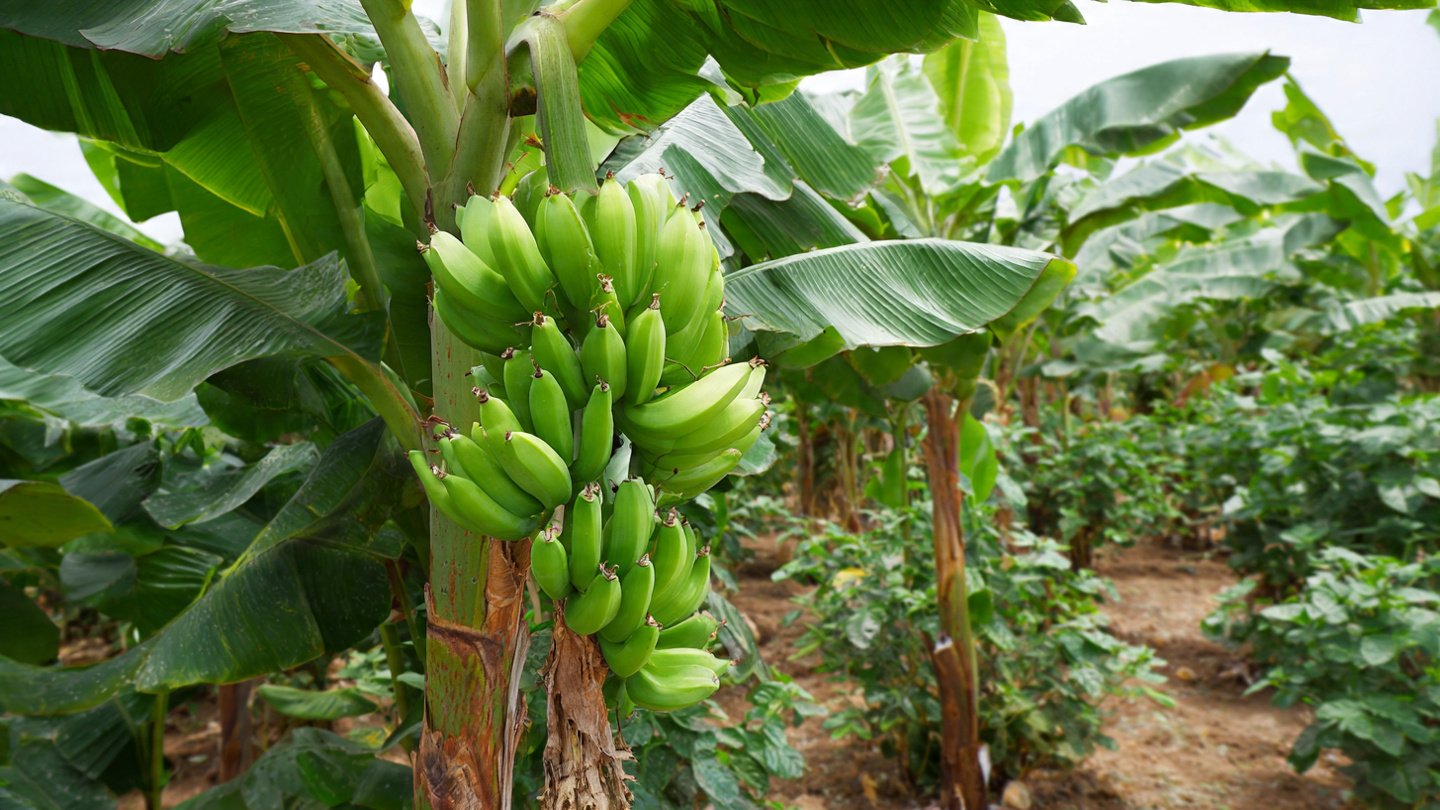
Dwarf banana plants, popularly known for their compact size yet impressive foliage and fruit, are an excellent choice for gardeners with limited space or those seeking to grow less conspicuous varieties. Whether you aim to cultivate the sweet fruit or simply enhance your garden’s aesthetic appeal, understanding the unique care requirements of these plants is essential for thriving growth. In this article, we’ll delve into essential tips for nurturing dwarf banana plants, covering aspects from planting to maintenance and troubleshooting common issues.
Understanding Dwarf Banana Plants
Before diving into care specifics, let’s clarify what dwarf banana plants are. Unlike traditional banana plants that can grow towering heights, dwarf varieties typically reach about 3-4 feet at maturity. The most popular dwarf varieties include:

- Dwarf Cavendish: These are perhaps the most well-known, prized for their sweet fruits and hardiness.
- Dwarf Red: These have unique red-tinged leaves and produce reddish fruit, providing a striking visual appeal.
- Dwarf Apple: Known for their apple-like flavor and aroma, they add a distinct touch to your garden.
Understanding these varieties helps in planning care for your specific type, as some may require slightly different care compared to others.
Planting Your Dwarf Banana Plant
Choosing the Right Location
- Sunlight: Dwarf banana plants thrive in full sunlight; hence, select a spot that receives at least 6-8 hours of direct sun daily. Too much shade can lead to spindly plants with minimal fruit production.
- Soil Selection: The soil should be well-draining and rich in organic matter. A mix of potting soil with compost is ideal. The pH level should be between 5.5 and 7 for optimal growth.
- Space: Even dwarf varieties require adequate space for their root systems to expand. Ensure a distance of at least 3-4 feet between each plant to promote proper airflow and growth.
Planting Steps
- Preparation: Soak the roots in water for about an hour before planting to promote hydration.
- Digging the Hole: Dig a hole that’s twice the width of the root ball but as deep as the ball itself. This helps in aeration and encourages root growth.
- Setting the Plant: Position the plant in the center of the hole, making sure the top of the root ball is level with the ground surface.
- Filling: Backfill the soil gently around the roots, and water thoroughly to remove air pockets.
Watering Dwarf Banana Plants
Water Requirements
Dwarf banana plants prefer consistently moist soil but must not sit in waterlogged conditions. The key is to maintain a balance:

- Water once a week or more frequently during hot, dry spells.
- Check the top inch of soil; if it feels dry, it’s time to water.
Watering Techniques
- Deep Watering: Water deeply to encourage deep root growth. Allow water to penetrate several inches into the soil.
- Avoiding Leaf Wetness: When watering, direct water at the base of the plant rather than over the leaves to prevent fungal diseases.
Fertilizing Your Dwarf Banana Plant
Nutrient Needs
Dwarf banana plants are heavy feeders. Essential nutrients like potassium, nitrogen, and phosphorus are critical for their growth and fruiting.
Latest Posts
- OnePlus Turbo 6V 5G Launched – for Gamers with 9000mAh Battery, 220MP Camera & Snapdragon 8s Gen 4
- Realme GT 8 Pro Officially Launched – 200MP Camera, 7,000mAh Battery and Snapdragon 8 Elite
- OPPO K13 Turbo 5G Launched – 7,000mAh Battery, 50MP Camera and High-Performance Chipset
- Realme 17 Pro 5G Unveiled – IP69K Certified, 200MP Camera and Massive 8600mAh Battery
- Vivo Premium Smartphone Launched – 200MP Camera, 90W Fast Charging and 16GB RAM
- POCO F8 Ultra Launched – Snapdragon Flagship Power, Bose Audio and Huge Battery
- POCO F8 Ultra Launched – Snapdragon Flagship Power, Bose Audio and Huge Battery
- OnePlus Nord 3 5G Launched – 120Hz AMOLED Display, 50MP Camera and 5,000mAh Battery
- OnePlus Nord CE4 Launched – Powerful Snapdragon 7 Gen 3, 50MP Camera and Long-Lasting Battery
- OnePlus Smartphone Revealed – Premium 5G Smartphone with 200MP Camera, 24GB RAM and 100W Fast Charging
- Fertilizer Type: Utilize a balanced fertilizer, ideally one formulated for bananas or fruiting plants, with an N-P-K ratio of approximately 15-5-30.
- Frequency: Fertilize every 6-8 weeks during the growing season (spring to late summer) and once in the fall until plants become dormant.
Application Tips
- Timing: Apply fertilizer after a good rainfall, as this helps in nutrient absorption without harming the roots.
- Method: Spread the fertilizer in a ring around the base of the plant, avoiding direct contact with the stem to prevent burn.
Pruning and Maintenance
Pruning Techniques
- Removing Dead Leaves: Regularly trim away dead or damaged leaves. This not only keeps the plant looking tidy but also prevents the spread of pests and diseases.
- Sucker Management: Dwarf banana plants produce suckers (baby plants) that can be pruned to allow the main plant more energy for growth. These suckers can also be planted elsewhere in the garden.
Maintaining Plant Health
- Staking: If the plant becomes top-heavy, consider staking it to prevent it from toppling over.
- Mulching: Apply a layer of organic mulch around the base of the plant to retain moisture, suppress weeds, and improve soil quality.
Dealing with Pests and Diseases
Common Pests
- Aphids: These small insects can suck sap from the leaves. Insecticidal soap or neem oil can effectively manage them.
- Spider Mites: Look for fine webs on the leaves. Increase humidity around the plant or spray with water to deter them.
- Fungus Gnats: These pests thrive in damp conditions. Let the top few inches of soil dry out between waterings to break their cycle.
Common Diseases
- Fungal Infections: Yellowing leaves may indicate a fungal problem. Ensure proper aeration and avoid overhead watering.
- Pests: Regularly inspect plants for signs of pests. Early intervention is crucial.
- Root Rot: If the plant wilts despite sufficient watering, it might be suffering from root rot caused by overwatering. Improve drainage or repot the plant in fresh soil.
Harvesting Bananas
Dwarf banana plants will bear fruit in about 9-15 months after planting, depending on the variety and care conditions.

Signs of Ripeness
- Color Change: For most varieties, the fruit will change color from green to a yellow hue as it ripens.
- Size: Fruits should reach their typical size based on the variety before harvesting.
Harvesting Technique
- Cut the entire bunch when most fruit is yellow, leaving a few green ones if you wish to continue ripening them at home.
- Handle gently to avoid bruising.
Indoors vs. Outdoors: Care Considerations
Indoor Dwarf Banana Plants
If space is limited, dwarf banana plants can thrive indoors with the right conditions:
- Lighting: Ensure they receive enough light through a south-facing window or supplemented with grow lights.
- Humidity: Indoor conditions can be drier. Consider using a humidifier or placing a tray of water near the plant to raise humidity levels.
- Container Size: Choose a larger pot to accommodate root growth, and ensure it has drainage holes.
Outdoor Care
Outdoor plants benefit from natural sunlight, rainfall, and the ability to expand roots freely but require monitoring for pests and weather conditions.

Conclusion
Caring for dwarf banana plants can be a rewarding experience, yielding delicious fruits and adding tropical beauty to your garden. By understanding their unique requirements—from planting and watering to fertilization and pest management—you can cultivate thriving plants that will flourish for years. Remember, regular maintenance, attention to detail, and prompt action in the face of challenges are the cornerstones of successful banana cultivation. Happy gardening!