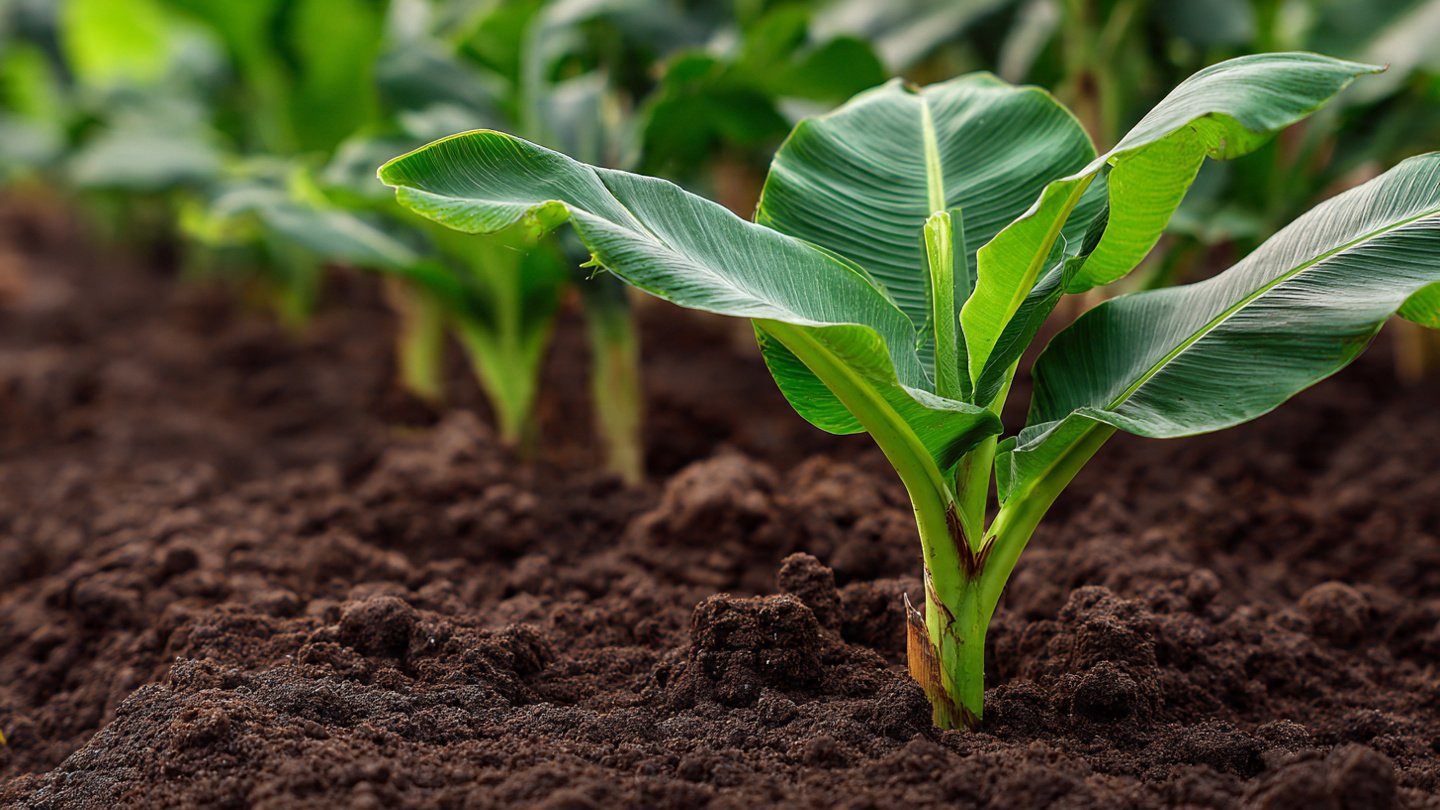
Bananas are one of the most popular fruits worldwide, renowned for their sweetness, nutritional value, and versatility in culinary applications. However, growing banana plants requires more than just planting a seed or a sapling in ordinary soil. To promote healthy growth and abundant fruit production, you need the right soil mix that caters specifically to their requirements. In this guide, we’ll explore how to create the perfect banana soil mix, ensuring your plants thrive.
Understanding the Needs of Banana Plants
Before diving into the soil mix specifics, it’s crucial to understand what banana plants need to flourish:
Latest Posts
- OnePlus Turbo 6V 5G Launched – for Gamers with 9000mAh Battery, 220MP Camera & Snapdragon 8s Gen 4
- Realme GT 8 Pro Officially Launched – 200MP Camera, 7,000mAh Battery and Snapdragon 8 Elite
- OPPO K13 Turbo 5G Launched – 7,000mAh Battery, 50MP Camera and High-Performance Chipset
- Realme 17 Pro 5G Unveiled – IP69K Certified, 200MP Camera and Massive 8600mAh Battery
- Vivo Premium Smartphone Launched – 200MP Camera, 90W Fast Charging and 16GB RAM
- POCO F8 Ultra Launched – Snapdragon Flagship Power, Bose Audio and Huge Battery
- POCO F8 Ultra Launched – Snapdragon Flagship Power, Bose Audio and Huge Battery
- OnePlus Nord 3 5G Launched – 120Hz AMOLED Display, 50MP Camera and 5,000mAh Battery
- OnePlus Nord CE4 Launched – Powerful Snapdragon 7 Gen 3, 50MP Camera and Long-Lasting Battery
- OnePlus Smartphone Revealed – Premium 5G Smartphone with 200MP Camera, 24GB RAM and 100W Fast Charging
-
Nutrient-Rich Soil: Banana plants require a lot of nutrients, particularly potassium, nitrogen, and phosphorus.
-
Drainage: While bananas enjoy moisture, their roots need good drainage to prevent rot.
-
Organic Matter: Incorporating organic matter improves soil structure, aeration, and moisture retention.
-
pH Levels: Banana plants prefer slightly acidic to neutral pH levels, generally between 5.5 and 7.0.
-
Moisture Retention: The ideal soil mix should retain moisture without becoming waterlogged.
-
Aeration: Good aeration allows root respiration, which is vital for plant health.

Components of the Perfect Banana Soil Mix
1. Base Ingredients
Creating a robust banana soil mix involves selecting the right base ingredients. Here are the primary components:
A. Topsoil
Topsoil is fundamental in any soil mix. It provides the foundational structure and is more nutrient-rich compared to subsoil. A good quality topsoil should be dark brown and crumbly, indicating the presence of organic matter and essential nutrients.
B. Compost
Compost is decomposed organic matter that enriches the soil with nutrients. It improves soil fertility, moisture retention, and aeration. A well-balanced compost mix often includes kitchen scraps, yard waste, and other organic materials.
C. Coconut Coir or Peat Moss
Both coconut coir and peat moss are excellent for moisture retention. Coconut coir is a sustainable option that provides good aeration, while peat moss adds acidity, which is beneficial for bananas.
D. Perlite or Vermiculite
These materials enhance drainage and aeration in the soil mix. Perlite is a volcanic glass that creates air pockets in the soil, whereas vermiculite expands when heated and helps with moisture retention.
E. Sand

Adding coarse sand to the mix improves drainage, preventing compaction. This is essential to allow excess water to flow away from the roots, reducing the risk of rot.
2. Nutrient Additives
Bananas are heavy feeders, so integrating additional nutrients directly into your soil mix is essential.
A. Bone Meal
Bone meal is rich in phosphorus, which encourages root development and flowering. It’s an excellent addition for ensuring robust plant growth.
B. Blood Meal
This organic fertilizer is high in nitrogen, crucial for leafy growth. It must be used sparingly, as too much nitrogen can lead to lush foliage at the expense of fruit.
C. Potassium Sulfate
As bananas need a significant amount of potassium, potassium sulfate can be added to promote fruit development and overall plant health.
3. Creating the Soil Mix
Now that you understand the components to use, follow these guidelines to mix your banana soil:
Step 1: Base Mixing Ratio

A common mixing ratio for a banana soil is:
- 40% topsoil
- 30% compost
- 20% coconut coir or peat moss
- 10% perlite or vermiculite
Example: For a total of 10 gallons of soil mix, you’d use 4 gallons of topsoil, 3 gallons of compost, 2 gallons of coconut coir, and 1 gallon of perlite.
Step 2: Nutrient Integration
Add the nutrient additives into the mix following these general guidelines:
- 1 cup of bone meal per 10 gallons of soil.
- 1 cup of blood meal per 10 gallons of soil.
- ½ cup of potassium sulfate per 10 gallons of soil.
Thoroughly mix these additives into the base soil components.

Step 3: Testing and Adjusting pH
Once your mix is prepared, it is advisable to test the pH level. You can use a simple soil pH testing kit available at garden centers. If your mix is too acidic (below 5.5), consider adding lime to raise the pH. If it’s too alkaline (above 7), you can add elemental sulfur or more organic matter to lower the pH.
4. Applying the Soil Mix
Once your banana soil mix is ready, it’s time to pot your plants or prepare garden beds.
A. Transplanting
If transplanting banana plants, be gentle with their roots and plant them at the same depth they were previously growing. Water the plants well after planting.
B. Maintenance
-
Watering: Ensure the plants receive consistent moisture but avoid waterlogging.
-
Fertilization: Consider additional feedings every 4-6 weeks during the growing season with a balanced organic fertilizer.
-
Monitoring: Keep an eye on your plants for signs of stress or nutrient deficiencies. Yellowing leaves can indicate nitrogen deficiency, while browning tips may suggest potassium deficiency.
5. Common Issues and Solutions

Creating the perfect banana soil mix is just one part of the equation. Here are some issues you might encounter, along with solutions:
A. Overwatering
If your banana plants show signs of wilting despite watering, they may be suffering from root rot. Ensure your soil mix allows for adequate drainage and reduce watering frequency.
B. Nutrient Deficiencies
Monitor your plants closely. If you notice slow growth or yellowing, it may be time to adjust your nutrient levels. Always fertilize lightly and adjust based on plant response instead of over-fertilizing.
C. Pests and Diseases
Banana plants can be susceptible to pests like aphids, spider mites, and diseases such as Sigatoka. Regular inspections and maintaining healthy soil can help mitigate these issues.
Conclusion
Creating the perfect banana soil mix is an investment in the health of your banana plants. By understanding their needs and carefully selecting and mixing components, you can provide a nurturing environment for growth. With this comprehensive guide, you’ll be well on your way to enjoying lush banana plants and eventually a bountiful harvest. Remember that sustainable practices and regular maintenance are keys to long-term success with your banana garden. Happy planting!