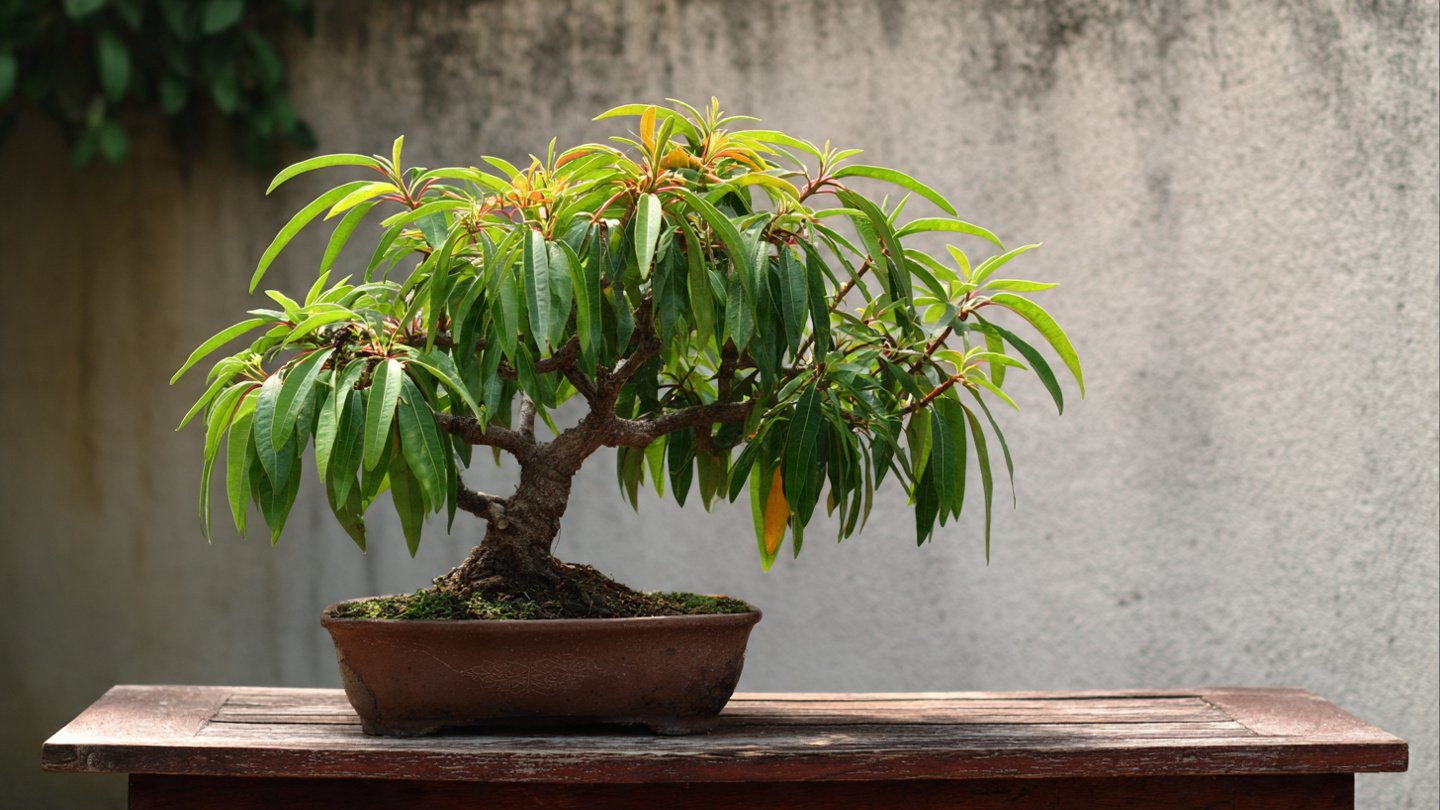
Growing a mango bonsai can be a rewarding endeavor, combining the artistry of bonsai with the tropical beauty of the mango tree. This guide will take you through everything you need to know about cultivating a stunning mango bonsai, covering everything from selection and planting to care and styling.
1. Understanding the Mango Bonsai
1.1 The Significance of Mango Trees
Latest Posts
- OnePlus Turbo 6V 5G Launched – for Gamers with 9000mAh Battery, 220MP Camera & Snapdragon 8s Gen 4
- Realme GT 8 Pro Officially Launched – 200MP Camera, 7,000mAh Battery and Snapdragon 8 Elite
- OPPO K13 Turbo 5G Launched – 7,000mAh Battery, 50MP Camera and High-Performance Chipset
- Realme 17 Pro 5G Unveiled – IP69K Certified, 200MP Camera and Massive 8600mAh Battery
- Vivo Premium Smartphone Launched – 200MP Camera, 90W Fast Charging and 16GB RAM
- POCO F8 Ultra Launched – Snapdragon Flagship Power, Bose Audio and Huge Battery
- POCO F8 Ultra Launched – Snapdragon Flagship Power, Bose Audio and Huge Battery
- OnePlus Nord 3 5G Launched – 120Hz AMOLED Display, 50MP Camera and 5,000mAh Battery
- OnePlus Nord CE4 Launched – Powerful Snapdragon 7 Gen 3, 50MP Camera and Long-Lasting Battery
- OnePlus Smartphone Revealed – Premium 5G Smartphone with 200MP Camera, 24GB RAM and 100W Fast Charging
Mango trees (Mangifera indica) are not only beloved for their delicious fruit but also revered in many cultures for their symbolic meaning. They represent love, fertility, and abundance, making them a perfect candidate for bonsai cultivation.
1.2 Why a Mango Bonsai?
Mango bonsais are unique due to their lush foliage and fragrant flowers, making them visually appealing all year round. Furthermore, the potential for fruiting adds an extra level of satisfaction for bonsai enthusiasts.
2. Selecting the Right Mango Tree
2.1 Choosing the Right Species
While there are over 1,000 mango varieties, not all are suitable for bonsai. The ideal candidates include:
- Nam Doc Mai: Known for its sweet fruit and compact growth.
- Haden: A traditional variety with vibrant colors and a balanced growth habit.
- Kent: Offers a fantastic fruit yield and a thicker trunk.
2.2 Sourcing Your Mango Tree
You can start with a young tree from a nursery or grow one from seed. If you want a faster outcome, purchasing a young grafted tree is recommended. If growing from seed, keep in mind that it may take longer to mature.

3. Essential Tools and Materials
3.1 Basic Tools
Before you get started, gather these essential tools:
- Pruning Shears: For shaping and trimming.
- Bonsai Wire: To style branches.
- Bonsai Soil: Well-draining soil mix specifically formulated for bonsai.
- Watering Can: A fine-spouted can helps avoid overwatering.
3.2 Materials to Have on Hand
- Small Pot: A shallow bonsai pot is essential for containment and aesthetic appeal.
- Drainage Material: Small stones or mesh to prevent soil loss through drainage holes.
4. Planting Your Mango Bonsai
4.1 Preparation
First, prepare the pot by ensuring it has adequate drainage. Add a layer of small stones or mesh at the bottom.
4.2 Planting Procedures
-
Soil Mix: Use a bonsai soil mix that retains moisture while allowing for proper drainage. A combination of akadama, pumice, and lava rock is ideal.
-
Placing the Tree: Position your mango tree in the center of the pot, ensuring the roots are spread out evenly.
-
Filling: Fill around the roots with soil mix, firming it lightly to eliminate air pockets.
-
Watering: Water thoroughly after planting to settle the soil.

5. Basic Care for Your Mango Bonsai
5.1 Watering
Proper watering is crucial for a healthy mango bonsai. Here are some guidelines:
- Frequency: Water when the top inch of soil feels dry.
- Method: Water deeply, letting excess drain out of the bottom.
5.2 Light Requirements
Mango trees thrive in bright light. Ensure your bonsai receives:
- Indirect Sunlight: Ideal conditions mimic their natural tropical habitat.
- Avoiding Intense Heat: Protect from the harsh afternoon sun.
5.3 Temperature and Humidity
Mango trees prefer warm, humid conditions. Keep them in temperatures above 60°F (15°C) and increase humidity with periodic misting.

6. Pruning and Shaping Your Mango Bonsai
6.1 The Importance of Pruning
Pruning helps maintain shape and encourages bushier growth. Regular trimming also stimulates new growth, improving the overall health of your bonsai.
6.2 Pruning Techniques
- Crown Maintenance: Trim back the tips of branches to promote denser foliage.
- Removing Deadwood: Cut away any dead or diseased branches to enhance aesthetics and health.
- Wiring: Use bonsai wire to train branches into desired shapes. Be cautious of wire marking and remove it once the branch holds its new position.
7. Fertilization
7.1 Nutritional Needs
Mango bonsais benefit from regular fertilization during the growing season (spring and summer). Use a balanced, slow-release fertilizer formulated for bonsais.
7.2 Fertilizing Schedule
- Frequency: Fertilize every 4-6 weeks during the growing season.
- Follow Instructions: Adhere to the recommended dosage to avoid nutrient burn.
8. Pests and Diseases
8.1 Common Pests
Mango trees can attract several pests, including:

- Aphids: These soft-bodied insects suck sap and can weaken your tree.
- Scale Insects: Hard and soft scales can also sap nutrients.
8.2 Disease Management
Monitor for signs of disease like leaf spots or wilting. Fungal infections are common; ensure proper air circulation and avoid overwatering.
8.3 Treatment Options
- Insecticidal Soap: An organic option for pest control.
- Copper Fungicide: To treat fungal infections.
9. Flowering and Fruiting
9.1 Promoting Flowers
With appropriate care, your mango bonsai can flower. Ensure proper light, nutrition, and moisture to encourage blooming during spring.
9.2 Managing Fruit Growth
If you want your bonsai to produce fruit, allow only a few to develop to prevent stress on the small tree. Remove excess fruit to focus energy on developing quality fruits.
10. Repotting Your Mango Bonsai
10.1 When to Repot
Repotting is typically needed every 2-3 years or when the roots begin to outgrow the pot. Early spring is the best time to do this.

10.2 Repotting Process
- Carefully remove the tree from its pot and gently wash off the old soil.
- Trim back any excessively long roots.
- Place the tree in a new pot with fresh bonsai soil.
11. Seasonal Considerations
11.1 Winter Care
Mango trees are sensitive to cold. During winter months:
- Placement: Keep your bonsai indoors in a bright, warm location.
- Humidity: Maintain humidity with a humidity tray or regular misting.
11.2 Summer Growth
In summer, make the most of the warm temps. Increase watering and feeding frequency, and consider outdoor placement in a shadier spot during peak heat.
12. Conclusion
Growing a mango bonsai can be a fulfilling journey filled with artistry and patience. By following this comprehensive guide, you’ll not only cultivate a stunning piece of living art but also connect with the beauty and significance of this cherished fruit tree. Remember, bonsai is as much about the process as it is about the end result, so allow yourself to enjoy every step along the way.
With dedication and care, your mango bonsai will not only thrive but also become a stunning focal point in your home or garden—bringing joy for years to come. Happy bonsai gardening!