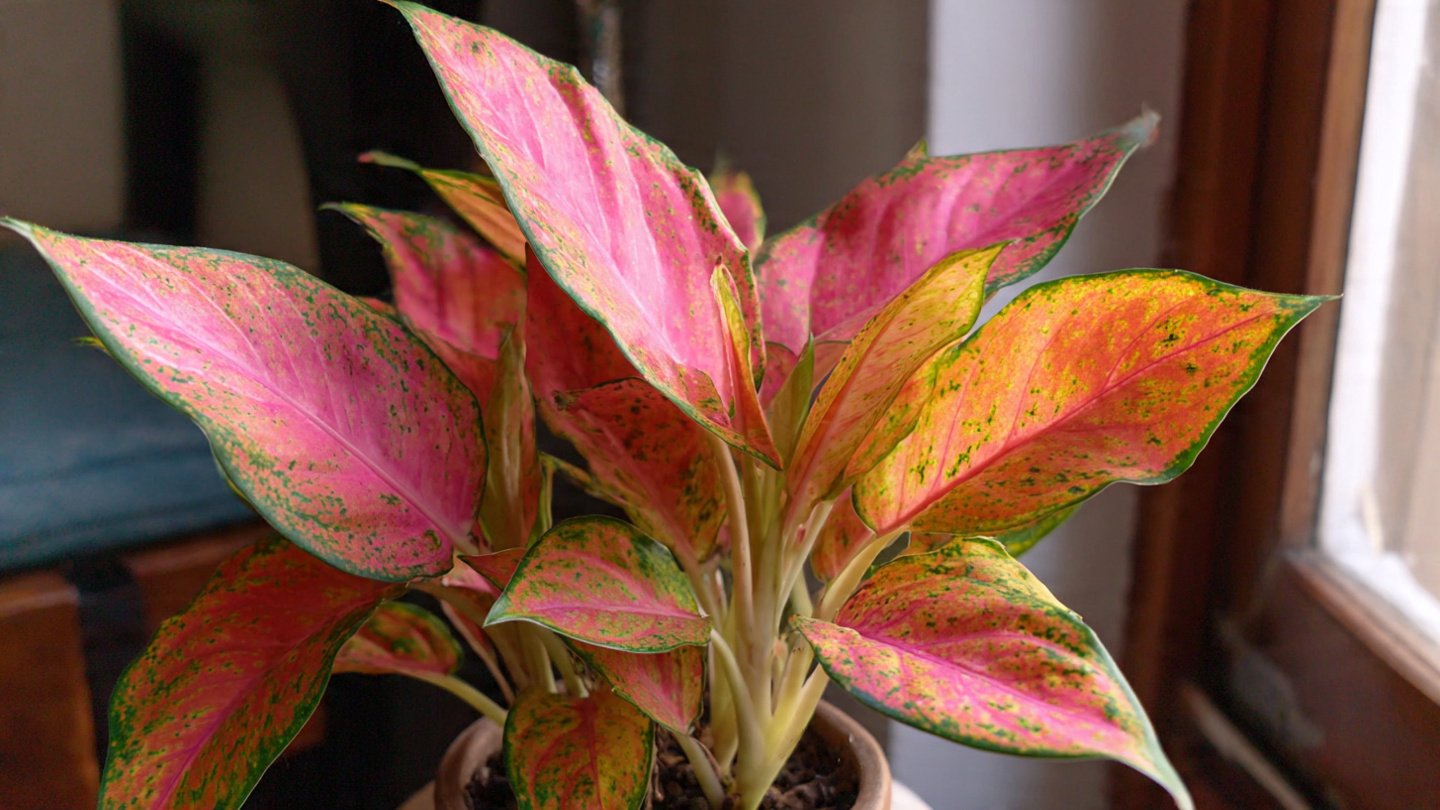
Aglaonema, often called the Chinese Evergreen, is a strikingly beautiful houseplant known for its vibrant colors and stunning foliage. With its variety of shades and patterns, it’s no wonder that Aglaonema has become a beloved choice among indoor plant enthusiasts. This article explores how to grow Aglaonema successfully, offers practical care tips, and presents creative home décor ideas to showcase this enchanting plant.
Understanding Aglaonema
What is Aglaonema?
Latest Posts
- OnePlus Turbo 6V 5G Launched – for Gamers with 9000mAh Battery, 220MP Camera & Snapdragon 8s Gen 4
- Realme GT 8 Pro Officially Launched – 200MP Camera, 7,000mAh Battery and Snapdragon 8 Elite
- OPPO K13 Turbo 5G Launched – 7,000mAh Battery, 50MP Camera and High-Performance Chipset
- Realme 17 Pro 5G Unveiled – IP69K Certified, 200MP Camera and Massive 8600mAh Battery
- Vivo Premium Smartphone Launched – 200MP Camera, 90W Fast Charging and 16GB RAM
- POCO F8 Ultra Launched – Snapdragon Flagship Power, Bose Audio and Huge Battery
- POCO F8 Ultra Launched – Snapdragon Flagship Power, Bose Audio and Huge Battery
- OnePlus Nord 3 5G Launched – 120Hz AMOLED Display, 50MP Camera and 5,000mAh Battery
- OnePlus Nord CE4 Launched – Powerful Snapdragon 7 Gen 3, 50MP Camera and Long-Lasting Battery
- OnePlus Smartphone Revealed – Premium 5G Smartphone with 200MP Camera, 24GB RAM and 100W Fast Charging
Originating from tropical and subtropical regions of Asia, Aglaonema belongs to the Araceae family. It features broad, glossy leaves that can be deep green, silver, or even red, depending on the variety. Its ability to thrive in low-light conditions makes it an ideal indoor plant.
Popular Varieties
- Aglaonema Silver Bay: Notable for its silvery-green foliage.
- Aglaonema Red Siam: Featuring dark green leaves with striking red edges.
- Aglaonema Pictum: Known for its camouflaged patterns of cream and dark green.
How to Grow Aglaonema
Growing Aglaonema is straightforward, making it perfect for beginners. Here are the essential steps from choosing the right soil to repotting.
1. Choosing the Right Pot and Soil
Pot Selection

Select a pot with adequate drainage holes. Aglaonema plants dislike sitting in water. A medium-sized pot is suitable; if you’re potting a small Aglaonema, opt for a smaller pot to allow for growth.
Soil Type
Use a well-draining potting mix that retains some moisture. A standard indoor potting mix combined with perlite or sand works well. Aim for a mixture that allows excess water to escape but retains enough moisture for the plant’s needs.
2. Lighting Conditions
Aglaonema prefers indirect sunlight. Direct sunlight can scorch its leaves, while too little light may hinder growth. Place your plant in bright, filtered light or a space that receives shade for much of the day.
3. Watering
Watering Aglaonema requires a balanced approach. The general rule is to let the top inch of soil dry out before watering again. In the growing season (spring and summer), you may need to water weekly, while in the dormant months (fall and winter), reduce frequency to every two weeks.
4. Humidity and Temperature
Aglaonema thrives in humid environments, so consider investing in a humidifier, especially in dry climates. Ideal temperatures range from 65°F to 80°F (18°C to 27°C). Keep the plant away from cold drafts or extreme temperature fluctuations.
5. Feeding and Fertilization
Feed Aglaonema with a balanced, water-soluble fertilizer every four to six weeks during its growing season. In the fall and winter, feed only once or twice, as the plant’s nutritional needs decrease.

6. Pruning
Occasionally, remove any yellowing or damaged leaves to encourage new growth. This not only keeps the plant healthy but also enhances its aesthetic appeal.
7. Propagation
Aglaonema can be propagated through division or stem cuttings. For division, carefully separate the root ball into two or more sections, ensuring there are healthy roots. For stem cuttings, cut a healthy stem below a leaf node and place it in water until roots develop, then transfer to soil.
Creative Home Decor Ideas with Aglaonema
The vibrant foliage of Aglaonema lends itself to various creative home décor ideas. Here are some ways to showcase these beautiful plants:
1. Statement Planters
Choose ornate pots with colors complementing Aglaonema’s leaves. Consider ceramic pots with hand-painted designs or geometric patterns to add stylish flair.
2. Arrangements of Varied Heights
Create interest by using different pot sizes and arranging Aglaonema plants at varying heights. Use plant stands or shelves to have taller plants elevated above smaller ones, creating a dynamic look.
3. Focal Points
Use a large Aglaonema plant as a focal point in a room. Position it next to a sofa or entrance for an immediate visual impact. The vibrant colors can enhance the overall decor while bringing a touch of nature indoors.

4. Hanging Displays
Although Aglaonema prefers to grow upright, using hanging pots or macramé hangers can add depth to your indoor rainforest aesthetic. Just be sure the plant still gets the indirect light it needs.
5. Assorted Plant Shelf
Combine Aglaonema with other houseplants like pothos or spider plants on a shelf. Mixing different textures and colors makes for a visually appealing arrangement.
6. Office Decor
Aglaonema is an excellent choice for office environments due to its air-purifying qualities and tolerance for low light. Place one on your desk or on a windowsill to add life and color to the workspace.
Common Issues and Solutions
Even the best-kept plants can face issues. Below are some common problems associated with Aglaonema and how to resolve them.
1. Yellowing Leaves
- Cause: Overwatering or inadequate light.
- Solution: Check soil moisture and adjust watering schedule. Ensure the plant is getting sufficient light.

2. Leaf Drop
- Cause: Sudden temperature changes or shock from repotting.
- Solution: Maintain stable temperatures and minimize disturbances to the root system during potting.
3. Pests
- Common Pests: Spider mites, aphids, and mealybugs.
- Solution: Use insecticidal soap or neem oil to treat infestations. Regularly inspect leaves for pests.
4. Stunted Growth
- Cause: Lack of nutrients or root-bound conditions.
- Solution: Feed with a balanced fertilizer and repot if the roots are constricted.
FAQs
Q1: How often should I water my Aglaonema?
Water your Aglaonema when the top inch of soil is dry. This is typically weekly during growth seasons and every two weeks during winter.
Q2: Can Aglaonema survive in low light?

Yes, Aglaonema thrives in low light conditions, making it ideal for indoor spaces with indirect sunlight.
Q3: Is Aglaonema toxic to pets?
While Aglaonema is not as toxic as some other houseplants, it can cause mild gastrointestinal upset if ingested. Keep it out of reach of pets if they tend to chew on plants.
Q4: How can I boost the color of my Aglaonema?
Ensure your plant receives enough indirect light, and use a balanced fertilizer during the growing season to encourage vibrant color in the leaves.
Q5: Can I keep Aglaonema outside?
Aglaonema can be kept outside in shaded areas in warm climates, but it should be brought indoors if temperatures drop below 60°F (15°C).
Q6: How do I know if my Aglaonema needs repotting?
If roots are visible above the soil or growing out of the pot’s drainage holes, it’s time to repot your Aglaonema into a larger pot.
Conclusion
Aglaonema is a stunning option for vibrant home décor, offering both aesthetic appeal and ease of care. Whether you’re new to plant parenting or a seasoned pro, integrating Aglaonema into your living space can elevate your interior design while purifying the air. By following the guidelines outlined in this article, you can ensure your Aglaonema thrives, providing beauty and joy for years to come.