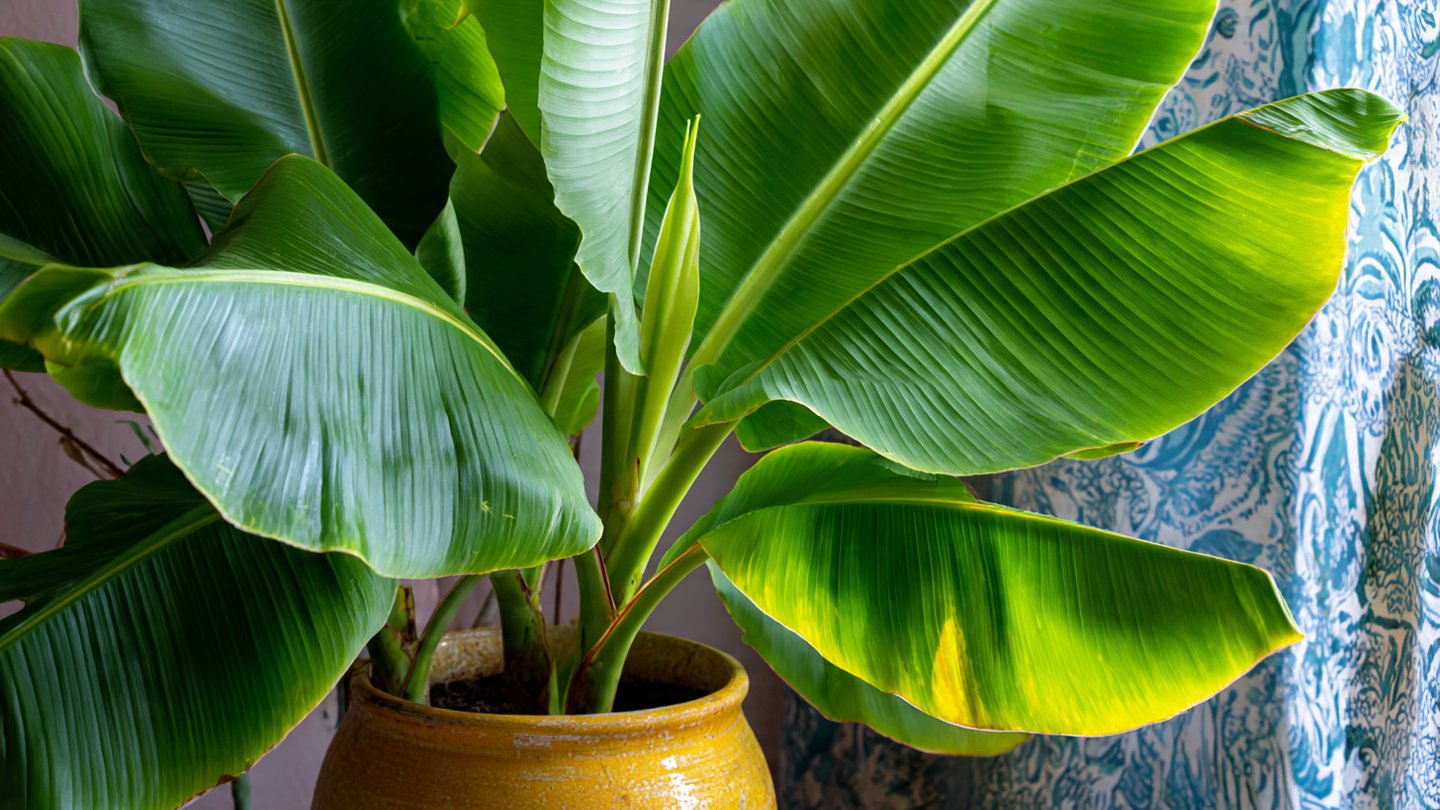
Banana plants are not only known for their delicious fruit but also for their lush, tropical foliage. These vibrant plants can be grown in your backyard or indoors, offering an exotic touch to your space. However, to ensure your banana plants thrive, they require proper nutrition. In this article, we’ll delve into essential nutrition tips that will help you cultivate healthy banana plants that yield plentiful fruit.
1. Understanding the Nutritional Needs of Banana Plants
A. Macronutrients
Latest Posts
- OnePlus Turbo 6V 5G Launched – for Gamers with 9000mAh Battery, 220MP Camera & Snapdragon 8s Gen 4
- Realme GT 8 Pro Officially Launched – 200MP Camera, 7,000mAh Battery and Snapdragon 8 Elite
- OPPO K13 Turbo 5G Launched – 7,000mAh Battery, 50MP Camera and High-Performance Chipset
- Realme 17 Pro 5G Unveiled – IP69K Certified, 200MP Camera and Massive 8600mAh Battery
- Vivo Premium Smartphone Launched – 200MP Camera, 90W Fast Charging and 16GB RAM
- POCO F8 Ultra Launched – Snapdragon Flagship Power, Bose Audio and Huge Battery
- POCO F8 Ultra Launched – Snapdragon Flagship Power, Bose Audio and Huge Battery
- OnePlus Nord 3 5G Launched – 120Hz AMOLED Display, 50MP Camera and 5,000mAh Battery
- OnePlus Nord CE4 Launched – Powerful Snapdragon 7 Gen 3, 50MP Camera and Long-Lasting Battery
- OnePlus Smartphone Revealed – Premium 5G Smartphone with 200MP Camera, 24GB RAM and 100W Fast Charging
Banana plants are heavy feeders, which means they require substantial amounts of macronutrients to grow healthily. The primary macronutrients include:
-
Nitrogen (N): Vital for leafy growth and overall plant health. Nitrogen promotes lush, green foliage, which is crucial for photosynthesis and energy production.
-
Phosphorus (P): Important for root development and flower production. Adequate phosphorus levels contribute to good fruit development.
-
Potassium (K): Essential for fruit quality and disease resistance. Potassium helps the plant manage water, which is critical for banana plants that grow in warm climates.
B. Micronutrients
In addition to macronutrients, banana plants also benefit from various micronutrients, which support various physiological aspects, including:
-
Iron (Fe): Necessary for chlorophyll production, affecting the plant’s ability to photosynthesize.
-
Magnesium (Mg): A key component of chlorophyll, magnesium is vital for photosynthesis and overall plant health.
-
Manganese (Mn), Zinc (Zn), and Copper (Cu): These play crucial roles in enzyme functions, chlorophyll production, and nutrient uptake.

2. Soil Requirements
A. Soil Type
Banana plants thrive in well-draining, loamy soils that are rich in organic matter. The ideal pH level should be between 5.5 and 7.0. Heavy clay soils can impede growth by retaining too much water, while sandy soils may drain too quickly and lack essential nutrients.
B. Soil Amendments
To improve soil fertility, consider adding organic matter such as compost, well-rotted manure, or leaf mold. This not only enhances nutrient availability but also improves soil structure, promoting healthy root growth.
3. Fertilization Schedule
A. Timing
A well-timed fertilization schedule can significantly influence the growth and fruit yield of your banana plants. Start fertilizing your plants once they begin growing actively in the spring.
B. Frequency

Banana plants benefit from regular feeding throughout the growing season. A common schedule involves applying fertilizer every 6 to 8 weeks, particularly during the active growth phase.
4. Types of Fertilizers
A. Organic Fertilizers
Organic fertilizers are often preferred for growing bananas because they release nutrients slowly and improve soil health. Common organic options include:
-
Compost: A versatile option that enriches the soil with a variety of nutrients.
-
Fish Emulsion: High in nitrogen, it’s excellent for promoting leafy growth.
-
Bone Meal: A good source of phosphorus, beneficial for root development.
-
Kelp Meal: It contains micronutrients and promotes overall plant health.
B. Chemical Fertilizers
If you choose to use chemical fertilizers, look for balanced N-P-K ratios (nitrogen, phosphorus, potassium). A typical formula might be 10-10-10 or a more specific blend suited for bananas. Ensure you follow the manufacturer’s instructions for application rates.

5. Application Method
A. Top Dressing
Sprinkle the fertilizer evenly around the base of the plant, avoiding the stem to prevent burn. Water the area thoroughly after application to help the nutrients penetrate the soil.
B. Liquid Fertilizers
Liquid organic fertilizers can be diluted with water and applied directly to the soil or as a foliar spray. This method is excellent for providing an immediate nutrient boost.
6. Watering
A. Importance of Watering
Proper watering is crucial for nutrient uptake. Banana plants need consistent moisture but are susceptible to waterlogging. Find a balance to maintain healthy growth.
B. Watering Tips
-
Frequency: Water regularly, especially in hot weather, to ensure the soil remains moist but not soggy.
-
Mulching: Use organic mulch like straw or wood chips to retain soil moisture and regulate temperature.
7. Pest Management

A. Common Pests
Banana plants can attract various pests, including aphids, spider mites, and mealybugs. Regularly inspecting your plants can help in early detection.
B. Organic Pest Control
Encourage beneficial insects like ladybugs and lacewings that feed on pests. Neem oil, insecticidal soap, and diatomaceous earth are effective organic options for controlling infestations.
8. Disease Management
A. Common Diseases
Fungal diseases such as Panama disease and black Sigatoka can severely affect banana plants. It’s vital to remain vigilant for symptoms such as yellowing leaves or stunted growth.
B. Preventive Measures
-
Good Air Circulation: Proper spacing between plants can reduce humidity and improve air circulation, thus decreasing the chances of fungal infections.
-
Sterilizing Tools: Clean your gardening tools to prevent the spread of pathogens.
9. Seasonal Care
A. Winter Care

In colder climates, banana plants can suffer from frost damage. If temperatures drop, consider moving potted plants indoors or covering outdoor plants with frost cloths.
B. Seasonal Fertilization Adjustments
During the late fall or winter, reduce fertilization as the plants enter a dormant phase. Resume regular feeding in early spring as the plants begin to actively grow again.
10. Harvesting and Post-Harvest Care
A. Recognizing Ripeness
Bananas are typically harvested while they’re still green and allowed to ripen off the plant. The ideal time to harvest is when the fingers start to round out and the ridges begin to soften.
B. Post-Harvest Care
Store bananas in a cool place to extend their shelf life. Keep them away from ethylene-producing fruits like apples and avocados, which can speed up ripening.
11. Conclusion
Nourishing your banana plant is essential for ensuring its health and promoting fruitful growth. By understanding its nutritional needs, providing the right soil conditions, maintaining a consistent fertilization schedule, and actively managing pests and diseases, you can cultivate a thriving banana plant that yields delicious fruit. With the right care, your banana plants can become the pride of your garden, offering a beautiful and tasty reward for your efforts. Whether you’re an experienced gardener or a novice, following these essential tips will help you unlock the full potential of your banana plants, leading to years of enjoyment and bountiful harvests.
In the world of gardening, patience and observation are key. Take the time to observe your plants, make adjustments as needed, and enjoy the journey of growing these fascinating and fruitful plants. Happy gardening!