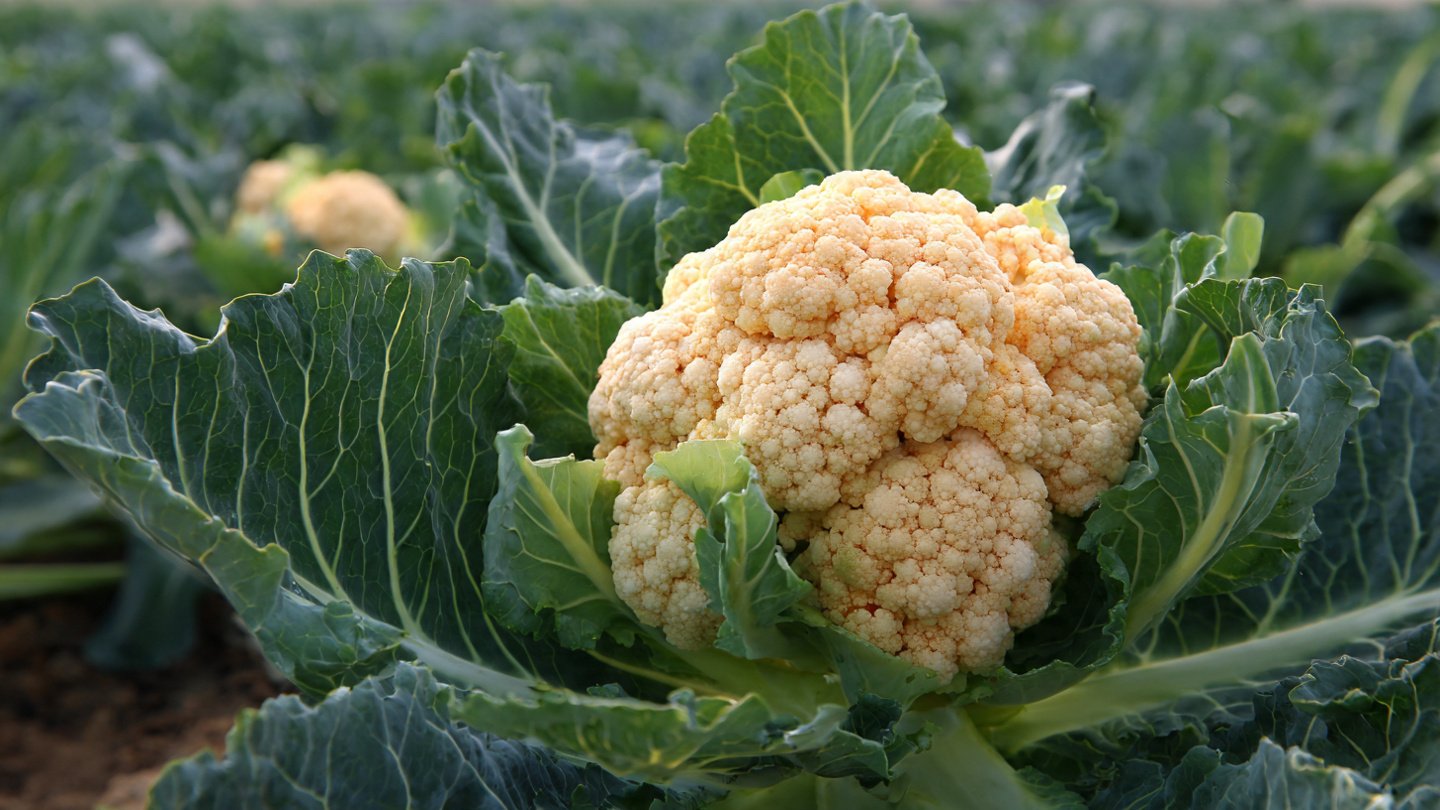
Cauliflower is a cool-season vegetable beloved for its versatile and nutritious white curds. However, one of the common challenges gardeners face when growing cauliflower is premature bolting, which can ruin the crop’s quality and yield. Bolting occurs when the cauliflower plant prematurely produces a flower stalk, diverting energy away from developing the edible head, resulting in small, loose curds or the formation of a flower stalk. Understanding how to prevent premature bolting is essential for a healthy and bountiful cauliflower harvest. This comprehensive guide will explore why bolting happens, the factors contributing to it, and effective strategies to prevent premature bolting.
Understanding Cauliflower Bolting
Bolting refers to the premature development of flowering stems in plants before the main edible part matures. For cauliflower, bolting means the plant starts sending up a tall flower stalk, signifying it is transitioning to the flowering stage. This process leads to the formation of flowers instead of the compact, edible head gardeners desire.
Latest Posts
- OnePlus Turbo 6V 5G Launched – for Gamers with 9000mAh Battery, 220MP Camera & Snapdragon 8s Gen 4
- Realme GT 8 Pro Officially Launched – 200MP Camera, 7,000mAh Battery and Snapdragon 8 Elite
- OPPO K13 Turbo 5G Launched – 7,000mAh Battery, 50MP Camera and High-Performance Chipset
- Realme 17 Pro 5G Unveiled – IP69K Certified, 200MP Camera and Massive 8600mAh Battery
- Vivo Premium Smartphone Launched – 200MP Camera, 90W Fast Charging and 16GB RAM
- POCO F8 Ultra Launched – Snapdragon Flagship Power, Bose Audio and Huge Battery
- POCO F8 Ultra Launched – Snapdragon Flagship Power, Bose Audio and Huge Battery
- OnePlus Nord 3 5G Launched – 120Hz AMOLED Display, 50MP Camera and 5,000mAh Battery
- OnePlus Nord CE4 Launched – Powerful Snapdragon 7 Gen 3, 50MP Camera and Long-Lasting Battery
- OnePlus Smartphone Revealed – Premium 5G Smartphone with 200MP Camera, 24GB RAM and 100W Fast Charging
The bolting process is a survival mechanism triggered by environmental stress or hormonal changes within the plant. Once a cauliflower plant bolts, its energy is channeled towards producing flowers and seeds rather than developing a dense curd, resulting in a poor-quality harvest.
Causes of Premature Bolting in Cauliflower
Several factors can cause premature bolting in cauliflower:
1. Temperature Stress
Cauliflower is a cool-season crop that thrives best in temperatures between 60°F and 70°F (15°C to 21°C). When exposed to prolonged periods of high temperatures, especially above 75°F (24°C), or sudden temperature fluctuations, the plant can become stressed and bolt early. Warm weather accelerates the plant’s growth cycle, triggering flowering to produce seeds before dying back.

2. Daylength
Cauliflower is sensitive to daylength (photoperiod). Longer daylight hours can signal the plant to bolt. This is why planting times and selecting the right variety for your growing season are critical to prevent bolting.
3. Inadequate Nutrients
Insufficient nitrogen and other essential nutrients can weaken the plant, making it more prone to stress and bolting. Nitrogen is crucial for leafy growth, while phosphorus and potassium support root development and overall plant health.
4. Water Stress
Irregular watering or drought conditions can trigger stress, causing the plant to bolt prematurely. Consistent moisture is vital for healthy cauliflower growth.
5. Transplant Shock
Young cauliflower plants can bolt if subjected to transplant shock when moved from seedlings to garden beds. Stress during this phase can disrupt normal growth.

6. Genetic Factors
Some cauliflower varieties are more prone to bolting than others due to their genetic makeup. Understanding the variety you are growing can help tailor your care accordingly.
How to Prevent Premature Bolting
Preventing premature bolting requires a holistic approach that combines the right planting techniques, environmental management, and proper care throughout the growth cycle.
1. Choose Bolt-Resistant Varieties
Start with cauliflower varieties known for their resistance to bolting. Hybrid varieties often have better tolerance to temperature fluctuations and longer growing seasons, reducing the risk of premature flowering.
2. Optimal Planting Time
Timing is crucial to avoid bolting. Plant cauliflower during the cool seasons of spring or fall, depending on your region. This ensures the plants mature under moderate temperatures and shorter day lengths.
- Spring Planting: Start seeds indoors 6-8 weeks before the last expected frost date, then transplant outside for a late spring or early summer harvest.
- Fall Planting: Sow seeds directly in the garden or transplant seedlings in late summer for a fall harvest, avoiding the heat of summer.

3. Provide Consistent Watering
Maintain evenly moist soil without waterlogging. Water deeply and regularly, especially during dry spells, to reduce stress on the plants. Mulching around plants can help retain soil moisture and regulate temperature.
4. Fertilize Appropriately
Apply balanced fertilizer rich in nitrogen initially to encourage leafy growth. As the plants approach the head-forming stage, switch to fertilizers higher in phosphorus and potassium to support curd development and root health. Avoid excess nitrogen late in the growth cycle, as it can encourage unwanted leafy growth.
5. Use Shade During Extreme Heat
In regions with hot summers or unexpected heatwaves, provide shade to cauliflower plants during the hottest parts of the day. Use shade cloth or garden netting to shield plants from direct sunlight and reduce temperature stress.
6. Harden Off Seedlings
If transplanting seedlings, harden them off by gradually exposing them to outdoor conditions over 7-10 days before planting. This reduces transplant shock and helps seedlings acclimate to temperature and light changes.

7. Maintain Proper Spacing
Provide ample spacing between plants to allow good air circulation and reduce heat buildup. Crowded plants are more susceptible to stress and disease, increasing the risk of bolting.
8. Monitor and Control Pests and Diseases
Keep an eye out for pests such as aphids and diseases like downy mildew that can weaken plants. Healthy plants are more resistant to stress and less likely to bolt prematurely.
9. Use Row Covers
In cooler climates or during early planting, row covers can protect young plants from temperature extremes and pests, providing a more stable environment for growth.
Additional Tips for a Healthy Cauliflower Harvest
- Soil Preparation: Cauliflower prefers rich, well-drained soil with a pH between 6.0 and 7.5. Amend soil with organic matter like compost to improve fertility and structure.
- Regular Weeding: Keep the area around cauliflower plants weed-free to reduce competition for nutrients and water.
- Blanching: Some gardeners blanch cauliflower heads by tying outer leaves over the developing curd to protect it from sunlight and maintain its white color.
- Succession Planting: To extend your harvest and reduce risk, plant several batches of cauliflower at two-week intervals.

What to Do If Bolting Occurs
If your cauliflower bolts despite your efforts, all is not lost:
- Use Bolted Plants as Seeds: Allow the plants to flower and set seed for next season’s crop.
- Harvest Early: Sometimes, you can salvage part of the crop by harvesting smaller, immature heads before the stalk fully elongates.
- Compost: Remove bolted plants promptly to avoid disease build-up and recycle nutrients back into the soil.
Conclusion
Premature bolting in cauliflower can be frustrating, but with the right knowledge and practices, it can be effectively managed. By selecting bolt-resistant varieties, planting at the right time, maintaining consistent care, and protecting plants from stress, gardeners can enjoy a healthy cauliflower harvest. Remember that understanding your local climate and tailoring your growing practices accordingly will go a long way in preventing early bolting and ensuring a plentiful, high-quality crop. With patience and the right approach, you can savor the crisp, creamy heads of cauliflower fresh from your garden season after season.