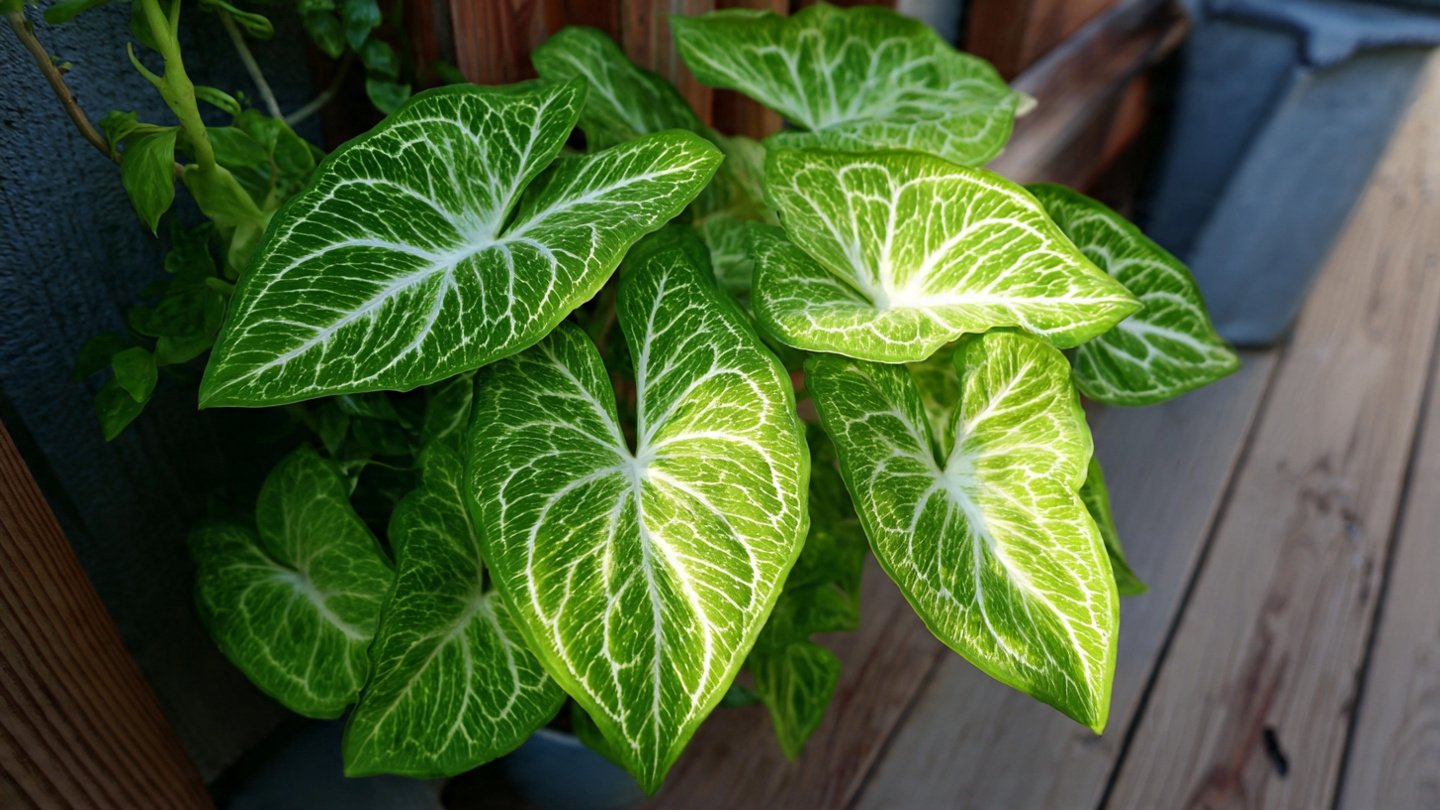
The Arrowhead Plant, scientifically known as Syngonium podophyllum, is a popular tropical houseplant celebrated for its striking foliage and adaptability. While many people enjoy it indoors, cultivating an Arrowhead Plant outside can yield lush greenery and a vibrant landscape. If you’re ready to take on the challenge, this guide offers essential tips to help you successfully grow an Arrowhead Plant outdoors.
Understanding the Arrowhead Plant
Before diving into growing conditions and care tips, it’s essential to understand your plant. The Arrowhead Plant features heart-shaped leaves and can exhibit various colors and patterns ranging from solid green to variegated forms with cream or pink hues. Native to tropical rainforests, it thrives in warm, humid environments, making it suitable for outdoor growth in specific climates.
Latest Posts
- OnePlus Turbo 6V 5G Launched – for Gamers with 9000mAh Battery, 220MP Camera & Snapdragon 8s Gen 4
- Realme GT 8 Pro Officially Launched – 200MP Camera, 7,000mAh Battery and Snapdragon 8 Elite
- OPPO K13 Turbo 5G Launched – 7,000mAh Battery, 50MP Camera and High-Performance Chipset
- Realme 17 Pro 5G Unveiled – IP69K Certified, 200MP Camera and Massive 8600mAh Battery
- Vivo Premium Smartphone Launched – 200MP Camera, 90W Fast Charging and 16GB RAM
- POCO F8 Ultra Launched – Snapdragon Flagship Power, Bose Audio and Huge Battery
- POCO F8 Ultra Launched – Snapdragon Flagship Power, Bose Audio and Huge Battery
- OnePlus Nord 3 5G Launched – 120Hz AMOLED Display, 50MP Camera and 5,000mAh Battery
- OnePlus Nord CE4 Launched – Powerful Snapdragon 7 Gen 3, 50MP Camera and Long-Lasting Battery
- OnePlus Smartphone Revealed – Premium 5G Smartphone with 200MP Camera, 24GB RAM and 100W Fast Charging
Ideal Growing Conditions
Climate
Arrowhead Plants prefer warm temperatures and high humidity, typical of USDA hardiness zones 9 to 11. If you live in a region where temperatures drop below 50°F (10°C), you might need to consider bringing the plant indoors during colder months. A warm microclimate, such as a patio, could also be beneficial for outdoor cultivation.
Soil
Well-draining soil is crucial for the Arrowhead Plant’s success. Opt for a potting mix enriched with organic matter or compost, as this will provide the nutrients required for healthy growth. Consider a mixture that combines peat moss, perlite, and vermiculite to ensure optimal drainage and aeration.

Sunlight
While Arrowhead Plants can endure low light conditions, they flourish best in bright, indirect sunlight when grown outdoors. Too much direct sunlight can scorch their leaves, causing discoloration and damage. Look for a location that offers filtered sunlight, such as near trees or under a shaded awning.
Steps for Planting Arrowhead Plants Outdoors
1. Choose the Right Location
Identify a suitable spot in your garden or patio that meets the light and temperature requirements. Ensure that the area has good air circulation to discourage pests and fungal diseases.
2. Prepare the Soil
Before planting, prepare the soil by tilting it and mixing in organic compost or well-rotted manure. This ensures the soil is nutrient-rich, promoting healthy growth for your Arrowhead Plant.
3. Planting
Dig a hole that is twice the size of your plant’s root ball. Place your Arrowhead Plant in the hole and backfill with soil, lightly pressing it down to eliminate air pockets. Ensure that the crown of the plant is level with the soil surface.

4. Watering
After planting, water generously to help establish roots. Follow up with regular watering, but be cautious; Arrowhead Plants do not tolerate soggy soil. Water thoroughly when the top inch of soil feels dry to the touch.
Care Tips for Thriving Arrowhead Plants Outdoors
1. Regular Watering Schedule
Establish a consistent watering schedule, especially during the hotter months when evaporation rates are higher. Monitoring your plant regularly will help you determine its hydration needs. Remember, the goal is to keep the soil slightly moist but not waterlogged.
2. Fertilization
To encourage healthy growth, fertilize your Arrowhead Plant every 4 to 6 weeks during the growing season (spring and summer). Use a balanced liquid fertilizer diluted to half strength to avoid over-fertilizing, which can cause root burn.
3. Pruning
Regular pruning helps maintain the Arrowhead Plant’s shape and encourages bushier growth. Trim back any leggy or unhealthy growth, as this will promote new shoots. If your plant becomes too large, you can also propagate cuttings in water or soil.

4. Pest and Disease Management
Although relatively hardy, Arrowhead Plants are susceptible to pests like spider mites, aphids, and mealybugs. Regularly inspect your plants for any signs of infestation. If pests are detected, treat them immediately with insecticidal soap or neem oil.
Likewise, watch for fungal diseases that can arise in high humidity. Ensure proper air circulation and avoid overhead watering to reduce the risk of mold or mildew.
5. Support Structures
As your Arrowhead Plant grows, it may require support. You can use trellises or stakes to guide the plant upward, which can help prevent leggy growth. This will also provide an appealing aesthetic to your outdoor space.
6. Seasonal Care
During the summer months, monitor your Arrowhead Plant closely for signs of distress due to high temperatures or drought. In contrast, as the seasons change, prepare to move your plant indoors if you expect cold temperatures. Acclimate your plant slowly to indoor conditions to prevent shock.
7. Propagation Techniques
One of the benefits of growing Arrowhead Plants is their ability to propagate easily. If you intend to take cuttings, choose healthy stems and cut just below a node. Place the cuttings in water or directly in a suitable growing medium and keep them moist. Roots should develop within a few weeks.

Creating a Thriving Outdoor Environment
1. Companion Planting
Arrowhead Plants can thrive when planted alongside companion plants that share similar growing preferences. Consider pairing them with ferns, hostas, or other tropical plants that provide a lush, garden-like atmosphere.
2. Mulching
Applying organic mulch around your plants can help retain moisture, suppress weeds, and improve soil health. Shredded bark or wood chips are excellent options that complement the aesthetic of an outdoor garden.
3. Water Features
Integrating a small water feature in your outdoor space can enhance humidity levels, which is beneficial for Arrowhead Plants. Consider a fountain or pond that adds tranquility to your garden while providing moister air.
4. Seasonal Decor
Enhancing your outdoor space with decorative elements like garden sculptures or unique planters can complement the Arrowhead Plant’s natural beauty. Choose colors and materials that harmonize with the vibrant greens of your plant.

5. Regular Maintenance
Routine care and maintenance are essential for maintaining a healthy outdoor garden. This involves checking for weeds, refilling mulch, and ensuring that your plants are appropriately spaced to allow for growth.
6. Harvesting
If you’re interested in using your Arrowhead Plant decoratively or in arrangements, remember that regularly trimming the leaves can encourage new growth. Leaves can be harvested while still maintaining the plant’s health.
Conclusion
Growing an Arrowhead Plant outside can be a rewarding endeavor if you’re willing to put in the work. With the right environment, proper care, and ongoing maintenance, your Arrowhead Plant can thrive and significantly enhance your outdoor space. By following this guide, you’ll not only create a vibrantly lush garden but also establish a healthy relationship with your greenery, bringing about a thriving community of plants that adds beauty and tranquility to your life.
Whether you’re a seasoned green thumb or a beginner, the joy of nurturing an Arrowhead Plant outdoors lies in watching it flourish and transform your landscape. Embrace the process, and you’ll enjoy the lushness and vitality that this beautiful plant can bring to your outdoor setting!