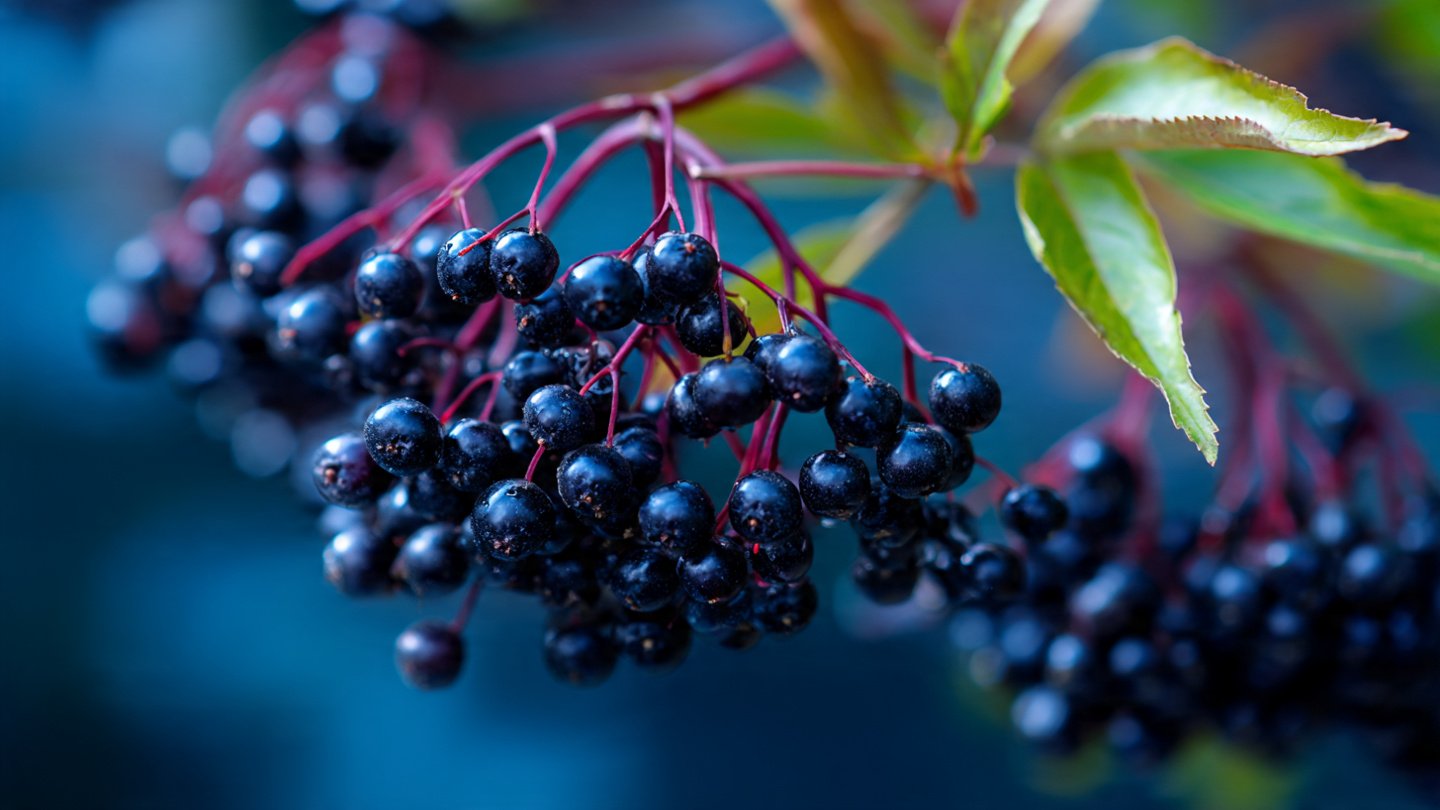
Elderberry plants (Sambucus nigra) are not only beautiful additions to your garden but also incredibly beneficial for your health. These hardy shrubs offer antioxidant-rich berries that can be made into delicious syrups, jams, and wines. Growing elderberry plants at home can be a rewarding endeavor if you follow some essential guidelines. This article will provide a comprehensive guide to successfully grow elderberries, ensuring a bountiful harvest while addressing common concerns and questions in a dedicated FAQ section.
Understanding Elderberry Plants
Types of Elderberry
Latest Posts
- OnePlus Turbo 6V 5G Launched – for Gamers with 9000mAh Battery, 220MP Camera & Snapdragon 8s Gen 4
- Realme GT 8 Pro Officially Launched – 200MP Camera, 7,000mAh Battery and Snapdragon 8 Elite
- OPPO K13 Turbo 5G Launched – 7,000mAh Battery, 50MP Camera and High-Performance Chipset
- Realme 17 Pro 5G Unveiled – IP69K Certified, 200MP Camera and Massive 8600mAh Battery
- Vivo Premium Smartphone Launched – 200MP Camera, 90W Fast Charging and 16GB RAM
- POCO F8 Ultra Launched – Snapdragon Flagship Power, Bose Audio and Huge Battery
- POCO F8 Ultra Launched – Snapdragon Flagship Power, Bose Audio and Huge Battery
- OnePlus Nord 3 5G Launched – 120Hz AMOLED Display, 50MP Camera and 5,000mAh Battery
- OnePlus Nord CE4 Launched – Powerful Snapdragon 7 Gen 3, 50MP Camera and Long-Lasting Battery
- OnePlus Smartphone Revealed – Premium 5G Smartphone with 200MP Camera, 24GB RAM and 100W Fast Charging
Elderberry plants can be broadly categorized into two types:
-
Black Elderberry (Sambucus nigra): Known for its sweet and tangy berries, rich in vitamins and antioxidants. This is the most common type cultivated for syrup and other products.
-
American Elderberry (Sambucus canadensis): Tolerates a wider range of climates but isn’t as widely used commercially.
Growing Zones
Elderberries thrive best in USDA hardiness zones 3-9, meaning they can be grown in a diverse range of climates. They prefer full sun but can tolerate partial shade, although full sun yields better fruit.
Choosing the Right Location
Soil Conditions
-
pH Level: Elderberries prefer slightly acidic to neutral soil, with a pH range of 5.5 to 7.0.
-
Texture: Loamy or sandy soils work best. Avoid clay-heavy soils as they can retain too much moisture, leading to root rot.

Drainage
Good drainage is vital. Consider raised beds or mounds if your soil retains water. Elderberries can withstand moist conditions but should not sit in standing water.
Planting Elderberry
Timing
The best time to plant elderberry is in early spring after the last frost. However, fall planting is also possible if conditions are right.
Propagation
Elderberries can be grown from:
-
Seeds: This is a slower process and requires stratification (cold treatment) to germinate.
-
Cuttings: Taking stem cuttings is a more common and effective method. Use healthy, one-year-old wood that is about 6-8 inches long.
-
Root Divisions: Mature plants can be divided to propagate new plants.
Spacing
Elderberry plants can grow quite large, so space them at least 6-10 feet apart to allow for proper air circulation and growth.

Planting Guidelines
-
Digging Holes: Dig a hole as deep as the root ball and twice as wide. If you’re planting in rows, ensure spacing is consistent.
-
Adding Soil Amendments: Mix in compost or well-rotted manure to improve fertility.
-
Setting the Plant: Place the plant in the hole so that the top of the root ball is level with the surrounding soil. Fill in with soil and gently compact it.
-
Watering: Water thoroughly after planting to settle the soil around the roots.
Caring for Your Elderberry Plants
Watering
Elderberries prefer consistent moisture, especially during dry periods. However, avoid waterlogging. Water them weekly, allowing the top inch of soil to dry out between watering.
Fertilization
Fertilize elderberry plants in early spring with a balanced fertilizer (like 10-10-10) or organic options such as compost.
Pruning
Proper pruning is essential for healthy growth and fruit production:
-
When to Prune: In late winter or early spring before new growth begins.
-
How to Prune: Remove dead or damaged branches and thin out crowded stems. Aim for an open center shape to improve air circulation.

Pest and Disease Management
Elderberries are generally resistant to most pests and diseases, but common issues include:
-
Powdery Mildew: Improve air circulation with proper pruning and avoid overhead watering.
-
Aphids: Use insecticidal soap if infested.
Harvesting Elderberries
Timing
Elderberries typically ripen in late summer to early fall, depending on the climate and variety. The berries should be fully colored (dark purple or black) and easy to pull from the stem.
Harvesting Techniques
-
Select Clusters: Use scissors or pruning shears to cut clusters of berries off the stem.
-
Avoid Bioaccumulation of Toxins: Only consume fully ripe berries, as unripe berries are toxic when raw.

-
Processing: After harvesting, remove the berries from the stems and wash thoroughly. They can be used fresh, frozen, or processed into syrups.
Using Elderberries
Elderberries are widely appreciated for their health benefits, including immune support and cold symptom relief. Here are some popular uses:
-
Elderberry Syrup: Great for flu prevention—mix elderberry juice, honey, and water.
-
Jams and Jellies: Add sugar and pectin to make delightful spreads.
-
Wine: Use elderberries to create aromatic wines.
FAQs About Growing Elderberry Plants
Q1: How long does it take for elderberry plants to produce fruit?
A1: Most elderberry plants will start producing fruit within 1-2 years of planting, depending on the variety and growing conditions.
Q2: Can I grow elderberry in a pot?
A2: Yes, elderberries can be grown in large containers. Ensure the pot has excellent drainage and is at least 20 inches wide and deep.
Q3: Are elderberries safe to eat raw?

A3: Raw elderberries (and other parts of the elderberry plant) contain cyanogenic glycosides, which can be toxic. Always cook the berries or process them into syrups or jams.
Q4: How much sun do elderberries need?
A4: Elderberries prefer full sun (at least 6-8 hours per day) but can tolerate partial shade. However, full sun promotes the best fruit yield.
Q5: Can elderberries tolerate drought conditions?
A5: While elderberries can handle short periods of drought, consistent moisture is essential for good fruit production. During prolonged dry spells, increase watering.
Q6: Do I need more than one elderberry plant for pollination?
A6: While elderberries are self-pollinating, planting multiple varieties in proximity can increase yields through cross-pollination.
Q7: What is the best way to store elderberries after harvest?
A7: Refrigerate fresh elderberries for up to a week. For longer storage, freeze them by placing the berries on a baking sheet and then transferring them to airtight containers.
Q8: Are there any medicinal uses for elderberries?
A8: Yes, elderberries are popular for their health benefits, including boosting the immune system and reducing the duration of colds and flu symptoms.
Conclusion
Growing elderberry plants at home is a gratifying experience that yields delicious and healthful fruits. With proper care, consideration of environmental factors, and attention to growing techniques, you can cultivate a thriving elderberry patch. Enjoy the process of nurturing these plants and reaping the benefits of your hard work through bountiful harvests. With the guidance provided in this article, you are now well-equipped to embark on your elderberry-growing journey!