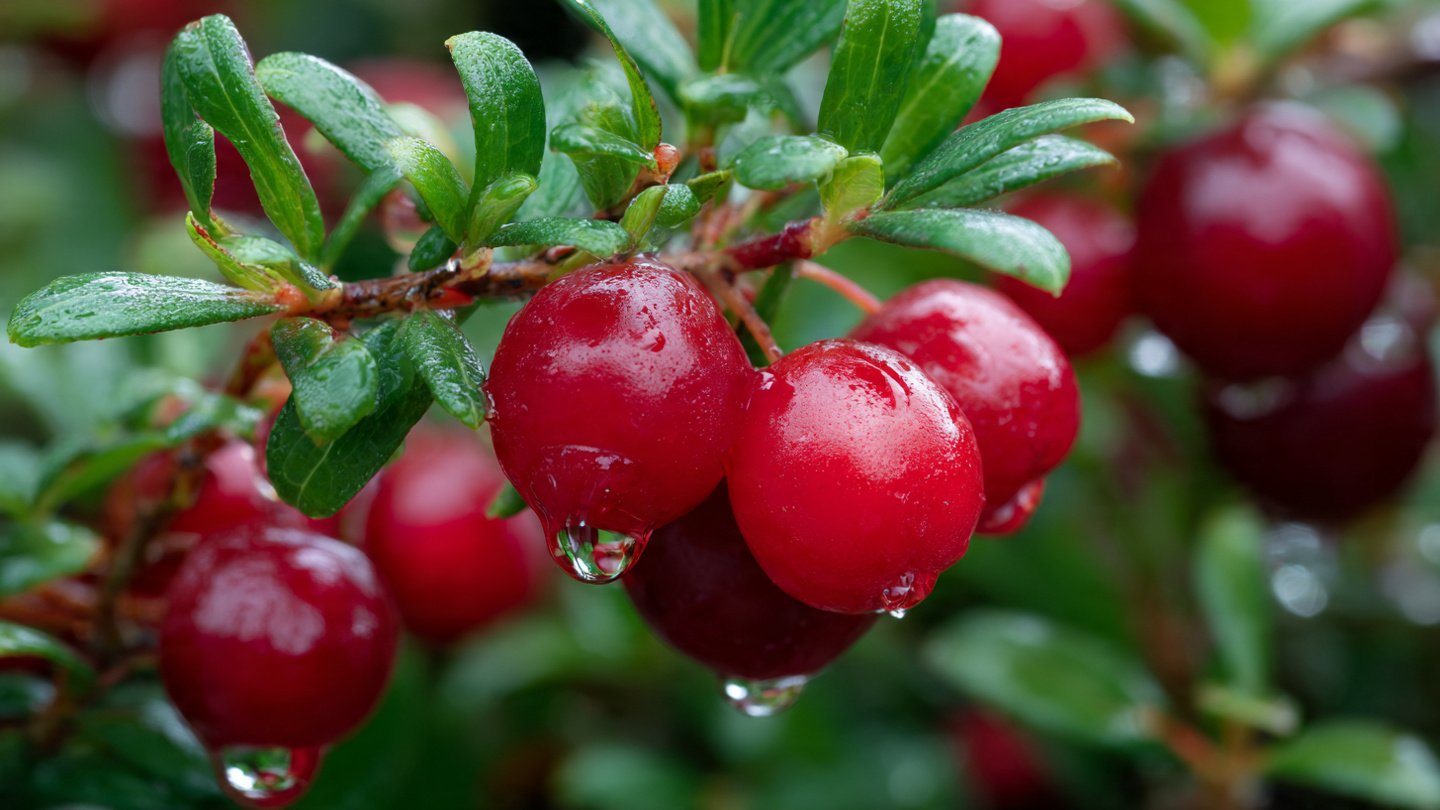
Lingonberries (Vaccinium vitis-idaea) are a hardy, evergreen shrub native to the cooler climates of the Northern Hemisphere, making them an excellent choice for Canadian gardeners. Not only do these plants produce small, tart red berries that are popular in jams, jellies, and sauces, but they also have numerous health benefits. This article will guide you through the process of successfully cultivating lingonberries in your garden or farm setting in Canada, ensuring you have all the knowledge you need to enjoy a bountiful harvest.
Understanding the Lingonberry Plant
Plant Characteristics
Latest Posts
- OnePlus Turbo 6V 5G Launched – for Gamers with 9000mAh Battery, 220MP Camera & Snapdragon 8s Gen 4
- Realme GT 8 Pro Officially Launched – 200MP Camera, 7,000mAh Battery and Snapdragon 8 Elite
- OPPO K13 Turbo 5G Launched – 7,000mAh Battery, 50MP Camera and High-Performance Chipset
- Realme 17 Pro 5G Unveiled – IP69K Certified, 200MP Camera and Massive 8600mAh Battery
- Vivo Premium Smartphone Launched – 200MP Camera, 90W Fast Charging and 16GB RAM
- POCO F8 Ultra Launched – Snapdragon Flagship Power, Bose Audio and Huge Battery
- POCO F8 Ultra Launched – Snapdragon Flagship Power, Bose Audio and Huge Battery
- OnePlus Nord 3 5G Launched – 120Hz AMOLED Display, 50MP Camera and 5,000mAh Battery
- OnePlus Nord CE4 Launched – Powerful Snapdragon 7 Gen 3, 50MP Camera and Long-Lasting Battery
- OnePlus Smartphone Revealed – Premium 5G Smartphone with 200MP Camera, 24GB RAM and 100W Fast Charging
- Height & Spread: Lingonberry shrubs typically grow to about 8 to 12 inches tall and can spread between 18 to 24 inches.
- Leaves: The leaves are small, leathery, and dark green, providing year-round appeal.
- Flowers: Lingonberries produce delicate white or pink flowers that bloom in the spring.
- Fruit: The small red berries appear in late summer and can remain on the plant well into winter.
Nutritional Benefits
Lingonberries are not just delicious; they are also rich in vitamins A and C, packed with antioxidants, and contain anti-inflammatory properties. They have been linked to various health benefits, such as improved urinary tract health and enhanced immune function.
Choosing the Right Location
Climate Considerations
Lingonberries thrive in cooler climates, making Canada an ideal location for cultivation. They prefer regions with:
- Cold Winters: Lingonberries require a period of dormancy that cold winters provide.
- Cool Summers: They do best in areas with moderate summer temperatures.

Soil Requirements
The right soil is crucial for successful lingonberry cultivation:
- Acidic pH: Lingonberries thrive in soil with a pH between 4.5 and 5.5.
- Well-Drained Soil: The roots are susceptible to rot, so planting in well-drained, sandy or loamy soil is essential.
Sunlight
Lingonberries prefer full sun to partial shade. Ideally, they should receive at least 6 hours of sunlight daily for optimal growth and berry production.
Planting Lingonberry
Timing
The best time to plant lingonberry is in early spring or fall. This allows the plants to establish themselves before facing extreme conditions.
Propagation Methods
Lingonberries can be propagated through various methods:
- Seed: Although a more lengthy process, seeds can be sown indoors or directly in the garden.
- Cuttings: Taking cuttings from established plants is a quicker way to propagate lingonberries.
- Nursery Plants: Purchasing established plants from a nursery can save time and guarantee fruit-bearing success.

Step-by-Step Planting Guide
- Prepare the Soil: Amend the soil with peat moss or sulfur to achieve the desired acidity level.
- Dig Holes: Create holes that are twice the size of the root ball of the plant.
- Planting: Place the plant in the hole, ensuring the crown is at soil level.
- Space Appropriately: Space the plants 18 to 24 inches apart to allow for their spreading habit.
- Water: Water well after planting, providing a thorough soaking.
Caring for Lingonberry Plants
Watering
Lingonberries prefer consistent moisture but do not tolerate soggy conditions. Water regularly, especially during dry spells, but allow the soil to dry slightly between waterings.
Fertilization
Fertilize lightly. Use an acid-based fertilizer in early spring. Over-fertilization can harm the plants, so follow the manufacturer’s recommendations.
Pruning
Pruning can help maintain the health and productivity of your lingonberry plants. Perform the following:

- Remove Dead Wood: Cut away any dead or damaged branches.
- Thin Plants: To increase air circulation, thin out crowded areas.
Pest and Disease Management
Lingonberries can be affected by various pests and diseases:
- Pests: Keep an eye out for aphids and spider mites. Neem oil can be an effective pesticide.
- Diseases: Fungal diseases like root rot can occur in poorly drained soil; ensure adequate drainage and avoid overwatering.
Harvesting Lingonberries
When to Harvest
Lingonberries are usually ready to harvest in late summer to early fall when they turn a bright red. The berries will be firm to the touch and will have developed their signature tart flavor.
Harvesting Tips
- Use Gloves: The berries can stain skin, so wearing gloves can make the process cleaner.
- Gentle Handling: Be gentle when picking to avoid damaging the plant.
- Regular Picking: Harvest berries regularly to encourage the plant to produce more fruit.
Using Lingonberries

Lingonberries are highly versatile. Here are some popular uses:
- Jams and Jellies: Cooked down with sugar, they make delicious preserves.
- Sauces: Lingonberry sauce is a traditional accompaniment to game meats.
- Baked Goods: Incorporate into pies, muffins, or scones for a tart flavor.
FAQ Section
1. Can I grow lingonberries in pots?
Yes, lingonberries can be successfully grown in pots as long as the pot is large enough (at least 12 inches deep) and has good drainage. Choose a potting mix suitable for acid-loving plants.
2. How long do lingonberry plants last?
With proper care, lingonberry plants can live for many years, often producing fruit for 10 years or more.
3. Do I need more than one plant for pollination?
Lingonberries are self-pollinating, but planting more than one can increase yields due to cross-pollination.
4. Are lingonberries frost-resistant?
Yes, lingonberries are very frost-resistant and can tolerate cold conditions well. They often thrive in Canadian climates.

5. How can I tell if the soil is acidic enough?
You can test your soil’s pH using a home soil testing kit. Aim for a pH between 4.5 and 5.5 for optimal lingonberry growth.
6. Do lingonberries need special care during winter?
While lingonberries are hardy, mulching in winter can help protect the roots and conserve moisture. However, avoid putting mulch directly against the stem.
7. What is the best way to store lingonberries?
Fresh lingonberries can be stored in the refrigerator for up to a month. For longer storage, consider freezing them, which preserves their flavor and nutritional value.
8. Can I grow lingonberries in my home garden in Toronto?
Yes, Toronto’s climate is generally suitable for growing lingonberries as long as you provide the right soil conditions and care.
Growing lingonberries can be a rewarding experience for Canadian gardeners. With the right location, proper care, and a little patience, you can enjoy a bountiful harvest of these delicious and nutritious berries for years to come. Happy gardening!