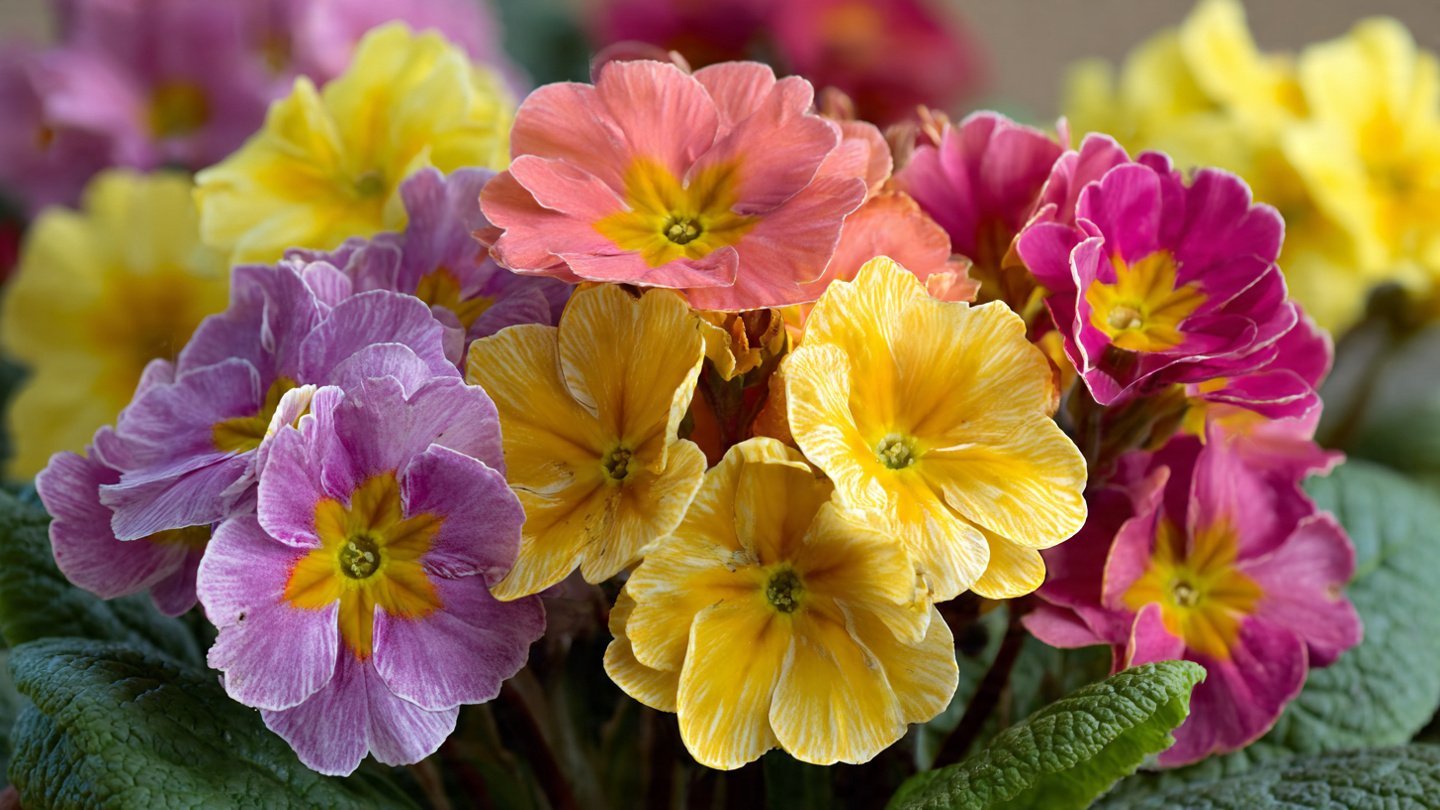
Polyanthus, known for their vibrant colors and cheerful blooms, are a delightful addition to any garden. Growing these beautiful flowers in containers is an excellent way to enjoy their beauty up close, allowing flexibility in arranging and showcasing them. This article will guide you through how to successfully cultivate Polyanthus flowers in containers, ensuring you achieve stunning displays throughout their blooming season.
Overview of Polyanthus
What are Polyanthus?
Latest Posts
- OnePlus Turbo 6V 5G Launched – for Gamers with 9000mAh Battery, 220MP Camera & Snapdragon 8s Gen 4
- Realme GT 8 Pro Officially Launched – 200MP Camera, 7,000mAh Battery and Snapdragon 8 Elite
- OPPO K13 Turbo 5G Launched – 7,000mAh Battery, 50MP Camera and High-Performance Chipset
- Realme 17 Pro 5G Unveiled – IP69K Certified, 200MP Camera and Massive 8600mAh Battery
- Vivo Premium Smartphone Launched – 200MP Camera, 90W Fast Charging and 16GB RAM
- POCO F8 Ultra Launched – Snapdragon Flagship Power, Bose Audio and Huge Battery
- POCO F8 Ultra Launched – Snapdragon Flagship Power, Bose Audio and Huge Battery
- OnePlus Nord 3 5G Launched – 120Hz AMOLED Display, 50MP Camera and 5,000mAh Battery
- OnePlus Nord CE4 Launched – Powerful Snapdragon 7 Gen 3, 50MP Camera and Long-Lasting Battery
- OnePlus Smartphone Revealed – Premium 5G Smartphone with 200MP Camera, 24GB RAM and 100W Fast Charging
Polyanthus are hybrids of Primula vulgaris, celebrated for their colorful flowers that typically bloom in clusters. They come in an array of hues, including yellow, pink, blue, and purple. These perennial plants have a rosette of leaves and can bloom from early spring until late spring, making them a wonderful option for adding spring color.
Why Grow Them in Containers?
Growing Polyanthus flowers in containers offers several advantages:
- Flexibility: You can easily move containers to achieve the best light conditions.
- Pest Management: Containers can help manage pests more effectively compared to in-ground gardening.
- Soil Control: It allows you to select the right soil mix for optimal growing conditions.
- Aesthetic Options: Containers provide a visual display that can be changed regularly or arranged according to seasonal themes.
Choosing the Right Containers
Size and Material
When selecting containers for your Polyanthus, consider the following:
- Size: Choose pots that are at least 6 to 12 inches deep. Polyanthus have a shallow root system, so they do not require overly large containers, but they do need enough space for healthy growth.
- Material: Various materials are available, such as terracotta, plastic, and ceramic. Terracotta pots offer excellent drainage, while lightweight plastic containers are easier to move around.

Drainage
Ensure that your chosen containers have drainage holes. Proper drainage is critical to prevent root rot. If your container doesn’t have holes, consider drilling them or using it as a decorative outer pot for a more functional inner pot with drainage.
Selecting the Right Soil
Soil Type
Use a high-quality, well-draining potting mix. You can buy specific potting mixes formulated for flowers, or create a blend of:
- Peat Moss: Provides moisture retention and aeration.
- Perlite or Vermiculite: Enhances drainage.
- Compost: Offers nutrients and improves soil structure.
A slightly acidic to neutral pH (between 6.0 and 7.0) is ideal for growth.
Sowing Seeds or Planting Seedlings
Seeds
If you opt to start from seeds, follow these steps:
- Timing: Start seeds indoors about 8 to 10 weeks before the last frost date in your area. This gives them ample time to germinate and establish before being moved outdoors.
- Sowing: Lightly sow seeds on the surface of the moist potting mix. Polyanthus seeds require light for germination, so do not cover them with soil.
- Conditions: Place the containers in a bright location but out of direct sunlight until they germinate. Keep the soil consistently moist but not waterlogged.

Seedlings
If you prefer to use seedlings:
- Purchase: Buy healthy seedlings from a reputable nursery or garden center.
- Transplanting: Ensure they are acclimatized to outdoor conditions by hardening them off for a week before planting. Gradually expose them to outdoor conditions by increasing their outdoor time.
Feeding and Watering Polyanthus
Watering
- Frequency: Water consistently but avoid waterlogging. The soil should be kept moist but well-drained.
- Check Soil: Before watering, check the soil moisture by inserting your finger about an inch deep. If it feels dry, it’s time to water.
Fertilizing
- When: Begin fertilizing once the plants are actively growing, typically in early spring.
- Type: Use a balanced, water-soluble fertilizer diluted to half-strength. Fertilize every 4-6 weeks during the blooming period.
Light and Temperature Requirements
Light
Polyanthus thrive in partial shade or full sun, but in hotter climates, they prefer some shade, especially during the hottest part of the day. A location where they receive morning sun and afternoon shade often works best.
Temperature

Polyanthus are cool-weather plants. They prefer temperatures between 45°F and 65°F (7°C to 18°C). In hotter climates, ensure that containers have adequate ventilation and shade during extreme heat.
Pruning and Deadheading
Deadheading
To encourage continuous blooming, remove spent flowers by pinching them off. This process directs the plant’s energy towards new flower production rather than seed formation.
Pruning Leaves
After the blooming period ends, you may notice yellowing or dying leaves. Trim back the foliage to maintain a tidy appearance and promote new growth for the following season.
Protecting Your Plants
Pests
While Polyanthus are relatively pest-resistant, keep an eye out for:
- Aphids: Treat with insecticidal soap if you notice them.
- Slugs and Snails: Use traps or barriers to deter these common pests.
Weather Protection
If a sudden frost is forecasted, protect your containers by moving them to a sheltered location or covering them with frost cloths. Container plants are more susceptible to temperature changes, so be proactive.
Troubleshooting Common Issues
Leaf Yellowing

- Possible Causes: Overwatering, nutrient deficiency, or too much direct sunlight.
- Solutions: Check soil moisture, adjust watering frequency, and consider fertilizing if nutrient levels are low.
Poor Flowering
- Possible Causes: Insufficient light or lack of nutrients.
- Solutions: Ensure adequate light and provide appropriate fertilization.
Tips for Stunning Container Displays
- Mix Colors and Varieties: Plant different colors of Polyanthus together for a vibrant display, or mix them with other spring flowers like pansies or tulips.
- Layering Height: In larger containers, layer taller plants in the center with shorter ones around the edges for a visually appealing arrangement.
- Seasonal Rotations: After Polyanthus blooms fade, consider planting summer flowers in the same pot for continuous color.
Maintaining Your Polyanthus
At the end of the blooming season, continue to care for your Polyanthus:
- Fertilize gently for early fall growth.
- Consider overwintering them indoors in colder climates or protecting them with mulch.
- Evaluate container arrangements for subsequent seasons; Polyanthus can often be wintered in pots if treated kindly.
FAQs
1. How long do Polyanthus bloom?

Polyanthus typically bloom from early spring to late spring, lasting about 4 to 8 weeks, depending on the weather and specific variety.
2. Can Polyanthus survive winter?
In mild climates, Polyanthus can survive the winter in containers, especially if insulated. In colder areas, they may need to be brought indoors or protected with mulch.
3. How often should I fertilize Polyanthus?
Fertilize Polyanthus every 4-6 weeks during the blooming season using a diluted, balanced fertilizer.
4. What is the ideal light condition for Polyanthus?
Polyanthus prefer partial shade to full sun. In hotter climates, they flourish in morning sun and afternoon shade.
5. Can I grow Polyanthus indoors?
Yes, you can grow Polyanthus indoors if you provide adequate light, consistent moisture, and proper temperature conditions.
6. How can I propagate Polyanthus?
Polyanthus can be propagated by division. In early fall, gently divide the clumps and replant them in new containers.
By following these guidelines, you can successfully grow Polyanthus flowers in containers, enjoying their vibrant colors and delightful blooms throughout the blooming season. Happy gardening!