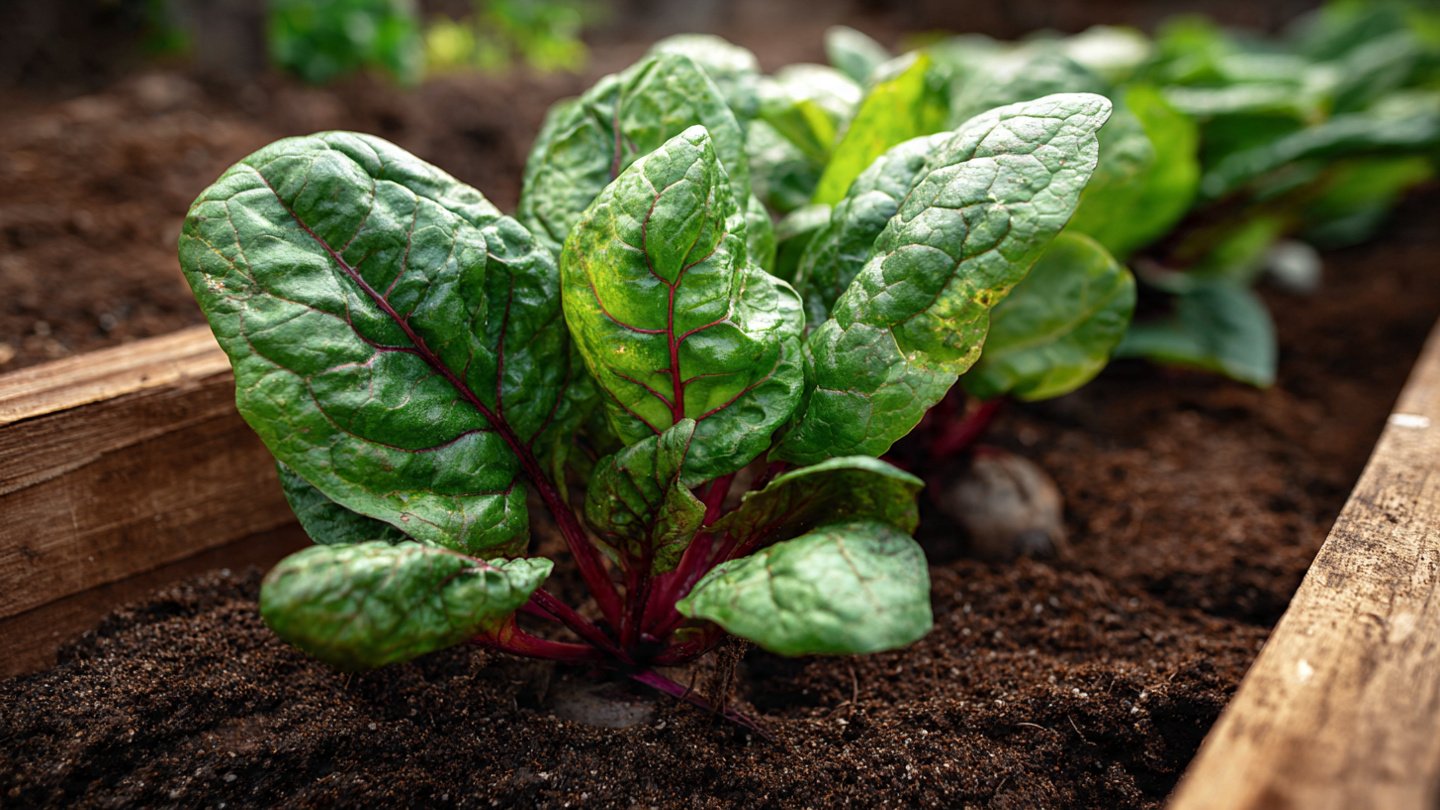
Growing your own vegetables can be an incredibly rewarding experience, and spinach and beets are two of the best crops to start with. Both are nutrient-dense, easy to cultivate, and thrive in a variety of garden settings. In this article, we will guide you through the process of successfully growing spinach and beets in your home garden, covering everything from preparation to harvesting, and including some frequently asked questions.
Why Grow Spinach and Beets?
Nutritional Benefits
Latest Posts
- OnePlus Turbo 6V 5G Launched – for Gamers with 9000mAh Battery, 220MP Camera & Snapdragon 8s Gen 4
- Realme GT 8 Pro Officially Launched – 200MP Camera, 7,000mAh Battery and Snapdragon 8 Elite
- OPPO K13 Turbo 5G Launched – 7,000mAh Battery, 50MP Camera and High-Performance Chipset
- Realme 17 Pro 5G Unveiled – IP69K Certified, 200MP Camera and Massive 8600mAh Battery
- Vivo Premium Smartphone Launched – 200MP Camera, 90W Fast Charging and 16GB RAM
- POCO F8 Ultra Launched – Snapdragon Flagship Power, Bose Audio and Huge Battery
- POCO F8 Ultra Launched – Snapdragon Flagship Power, Bose Audio and Huge Battery
- OnePlus Nord 3 5G Launched – 120Hz AMOLED Display, 50MP Camera and 5,000mAh Battery
- OnePlus Nord CE4 Launched – Powerful Snapdragon 7 Gen 3, 50MP Camera and Long-Lasting Battery
- OnePlus Smartphone Revealed – Premium 5G Smartphone with 200MP Camera, 24GB RAM and 100W Fast Charging
Spinach (Spinacia oleracea) is a leafy green vegetable that is rich in iron, vitamins A and C, and beneficial antioxidants. It is versatile and can be used in salads, smoothies, and cooked dishes.
Beets (Beta vulgaris), on the other hand, are root vegetables that are high in fiber, folate, and various vitamins. They can be eaten raw, roasted, or juiced, providing a sweet earthy flavor that appeals to many palates.
Year-Round Growth
Both spinach and beets can be grown in spring and fall, with spinach often being a cool-weather crop that thrives in lower temperatures, while beets can also handle a bit of heat but prefer cooler weather for optimal sweetness.
Garden Space
These plants are suitable for small and large gardens alike and can even be grown in containers, making them ideal for gardeners with limited space.
Preparing Your Garden
Choosing a Location
Both spinach and beets require full sun for at least six hours a day. When selecting a location, consider the following:

- Sunlight: Make sure your site gets ample sunlight throughout the day.
- Drainage: Ensure good soil drainage to prevent rot.
- Proximity: Place your garden near a water source for easy irrigation.
Soil Preparation
Healthy soil is vital for your plants’ success. Follow these steps to prepare your soil:
-
Testing Soil: Start by testing your soil pH. Both spinach and beets prefer a pH between 6.0 and 7.0. You can purchase a soil test kit at a garden center.
-
Amending Soil: Based on the soil test, you may need to add lime (to raise pH) or sulfur (to lower pH). Additionally, enrich your soil with organic matter, such as compost or well-rotted manure, to improve fertility.
-
Tilling the Soil: Loosen the soil down to a depth of about 12 inches. This ensures that roots can grow freely, and air can circulate.
How to Plant Spinach
Seeds vs. Transplants
While you can grow spinach from seeds or transplants, sowing seeds directly into the garden is often easier and more successful.

Planting Spinach Seeds
-
Timing: Plant spinach seeds in early spring or late summer for fall harvests. Spinach can tolerate light frost, which can actually improve its flavor.
-
Sowing: Scatter seeds about ½ inch deep and spaced 2 inches apart. Rows should be about 12-18 inches apart.
-
Thinning: Once seedlings emerge, thin them to about 4 inches apart to allow for proper growth.
Caring for Spinach
- Watering: Keep the soil consistently moist, especially during dry spells. Spinach requires about an inch of water per week.
- Mulching: Apply a layer of organic mulch to retain moisture and suppress weeds.
How to Plant Beets
Seeds vs. Transplants
Just like spinach, beets are best grown from seeds directly sown in the garden.
Planting Beet Seeds

-
Timing: Plant beet seeds in early spring or late summer for a fall harvest.
-
Sowing: Plant beet seeds about 1 inch deep, spaced 3-4 inches apart, in rows that are 12-18 inches apart.
-
Thinning: Beet seeds generally come in clusters, so thin seedlings to about 3-4 inches apart once they reach a few inches high.
Caring for Beets
- Watering: Keep the soil moist but not soggy. Beets usually require about an inch of water per week.
- Weed Control: Regularly check for weeds and clear them to prevent competition for nutrients and moisture.
Pest and Disease Management
Spinach Pests and Diseases
- Leaf Miners: These pests can create tunnels in spinach leaves; remove affected leaves and apply insecticidal soap if necessary.
- Downy Mildew: This fungal disease can thrive in wet conditions. Ensure good airflow among plants and avoid overhead watering.
Beet Pests and Diseases
- Flea Beetles: These small pests can derail beet growth; use row covers to protect young plants.
- Root Maggots: Planting beets in well-drained soil and rotating crops can help prevent infestations.

Harvesting Spinach and Beets
When to Harvest Spinach
Spinach is typically ready for harvest in 6-8 weeks after sowing. You can harvest leaves at any size, but young, tender leaves are best for salads. Cut the outer leaves, allowing the inner leaves to continue growing.
When to Harvest Beets
Beets usually take about 6-8 weeks from planting to harvest. You’ll know they’re ready when they’re roughly 1-3 inches in diameter. Gently pull them from the soil to avoid breaking off the tops.
Storage Tips
- Spinach: Store fresh spinach in a plastic bag or container in the refrigerator. It is best used within a week for optimal freshness.
- Beets: Remove the greens from the beets and store them separately. Beets can be kept in a cool, dark place for several weeks.
FAQs
1. Can I grow spinach and beets in containers?
Yes! Both spinach and beets can be grown in containers. Ensure the container is at least 12 inches deep and has drainage holes.
2. What are the best companion plants for spinach and beets?

Companion plants for spinach include strawberries and radishes, while beets grow well alongside onions and cabbage. These combinations can help deter pests and improve growth.
3. How can I extend the growing season for spinach and beets?
Using row covers or cloches can help to protect your plants from frost and extend the growing season. Additionally, fall plantings often yield great results if weather conditions allow.
4. Are there any specific nutrients required for growing spinach and beets?
Both plants benefit from nitrogen-rich fertilizers, particularly during the early stages of growth. Beets also require potassium and phosphorous for healthy root development.
5. Why are my spinach leaves turning yellow?
Yellowing spinach leaves can indicate a nitrogen deficiency or overwatering. Make sure you’re providing adequate nutrients and that the soil drains well.
Conclusion
Growing spinach and beets in your home garden is a fulfilling way to enjoy fresh, nutritious greens. By following these guidelines for preparation, planting, care, and harvesting, you can enjoy a bountiful harvest all season long. Whether you’re an experienced gardener or just getting started, these vegetables provide a fantastic entry point into the world of home gardening. Happy gardening!