Introduction
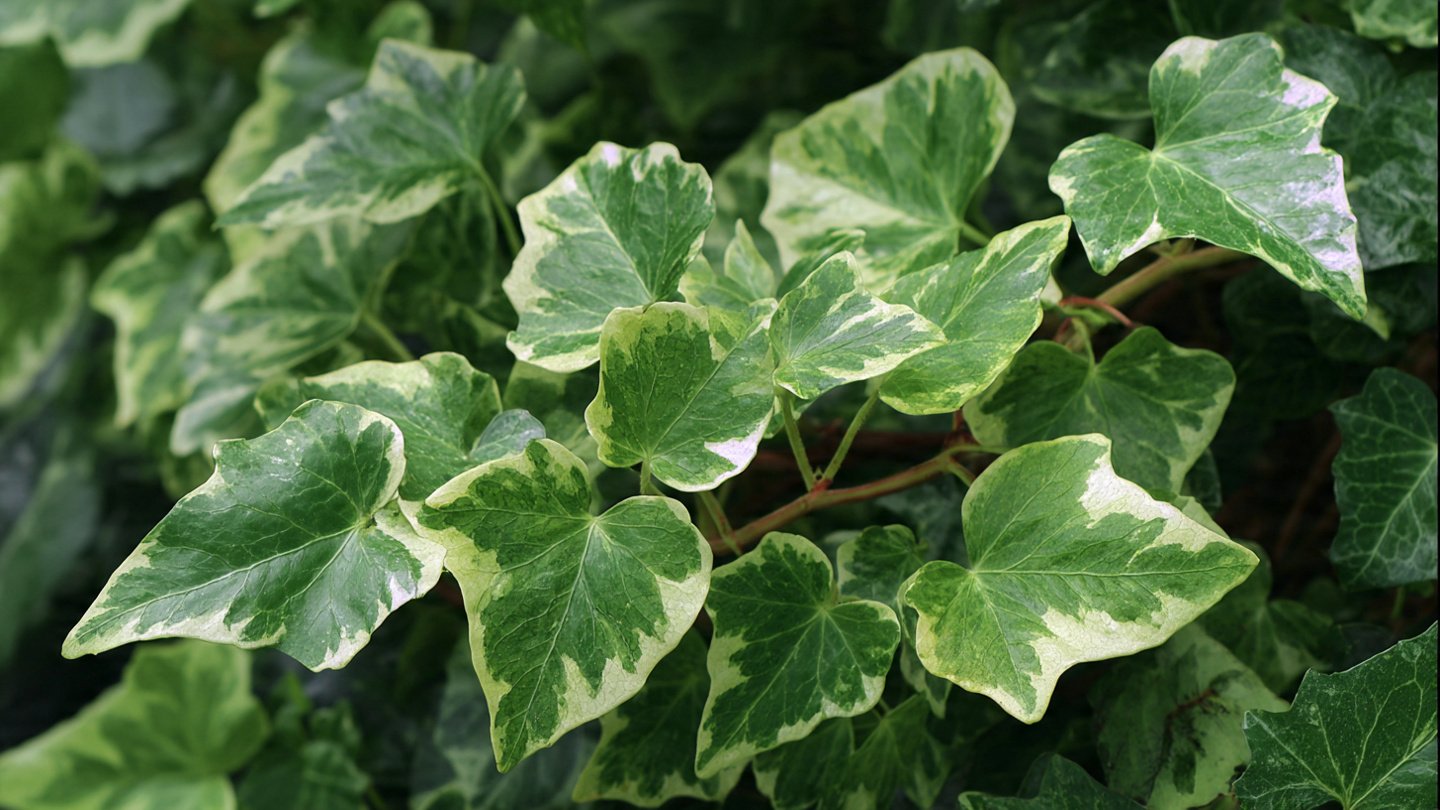
Variegated ivy (Hedera helix) is a beloved choice among gardeners due to its alluring leaves and adaptability. Its unique foliage features shades of green, cream, and gold, making it an excellent decorative plant for various landscapes. This guide aims to provide you with comprehensive tips and methods for successfully growing variegated ivy in your garden.
Understanding Variegated Ivy
Variegated ivy is a perennial climbing plant that thrives in diverse environments, whether it’s in hanging pots, as ground cover, or climbing up trellises and walls. The plant’s variegation refers to the presence of different colors on the leaves, which can enhance visual interest in any garden space. While variegated ivy is relatively easy to care for, understanding its specific requirements is crucial for a successful growth experience.
Choosing the Right Location
Sunlight Requirements
Variegated ivy prefers partial to full shade. Too much direct sunlight can scorch the leaves, diminishing the plant’s visual appeal. Aim for a location that receives morning sun and afternoon shade. If you’re growing ivy indoors, place it near a north- or east-facing window.

Soil Selection
Ivy thrives in well-draining soil rich in organic matter. A mix comprising peat, perlite, and potting soil works well. Ensure that the pH level of the soil remains between 6.0 and 7.0. Conduct a soil test to check pH levels and amend your soil accordingly, if necessary.
Planting Variegated Ivy
Propagation Methods
- Cuttings: One of the easiest methods to propagate variegated ivy is by taking stem cuttings. Choose healthy stems about 5-6 inches long, making the cut just below a node. Remove the lower leaves, keeping only a couple of leaves at the top. Place the cutting in water or a well-draining potting mix. If using soil, ensure it remains moist but not soggy.
- Layering: For more established plants, layering can be an effective method. Bend a stem to the ground, and bury a section of it while leaving the tips exposed. The buried section will develop roots, allowing you to separate it and plant it elsewhere when established.
Planting Techniques
- In Garden Beds:
- Prepare the soil by tilling and incorporating compost.
- Space your ivy plants about 12-18 inches apart to accommodate their spreading nature.
- Dig a hole slightly larger than the root ball and place the plant in the hole, backfilling and firming the soil around it.
- In Containers:
- Choose pots with drainage holes.
- Fill ⅓ of the pot with a potting mix and place the ivy in the center before adding more mix until the root ball is covered.
- Water thoroughly after planting.
Watering Practices
Variegated ivy prefers consistently moist soil but is susceptible to root rot. Watering deeply but infrequently is recommended, allowing the top inch of soil to dry out between waterings. During hot and dry spells, check the moisture levels more frequently to ensure the plant does not dry out.
Latest Posts
- OnePlus Turbo 6V 5G Launched – for Gamers with 9000mAh Battery, 220MP Camera & Snapdragon 8s Gen 4
- Realme GT 8 Pro Officially Launched – 200MP Camera, 7,000mAh Battery and Snapdragon 8 Elite
- OPPO K13 Turbo 5G Launched – 7,000mAh Battery, 50MP Camera and High-Performance Chipset
- Realme 17 Pro 5G Unveiled – IP69K Certified, 200MP Camera and Massive 8600mAh Battery
- Vivo Premium Smartphone Launched – 200MP Camera, 90W Fast Charging and 16GB RAM
- POCO F8 Ultra Launched – Snapdragon Flagship Power, Bose Audio and Huge Battery
- POCO F8 Ultra Launched – Snapdragon Flagship Power, Bose Audio and Huge Battery
- OnePlus Nord 3 5G Launched – 120Hz AMOLED Display, 50MP Camera and 5,000mAh Battery
- OnePlus Nord CE4 Launched – Powerful Snapdragon 7 Gen 3, 50MP Camera and Long-Lasting Battery
- OnePlus Smartphone Revealed – Premium 5G Smartphone with 200MP Camera, 24GB RAM and 100W Fast Charging
Fertilization
Feed variegated ivy with a balanced Liquid fertilizer every 4-6 weeks during the growing season (spring and summer). During the fall and winter, reduce or cease fertilization as the plant enters dormancy. Too much fertilizer can lead to leggy growth and reduced variegation.

Pruning and Training
Regular pruning helps maintain the plant’s size and encourages bushier growth. You can prune variegated ivy in early spring:
- For Maintenance: Remove any dead or yellowing leaves. Trim back overgrown vines to promote fullness.
- Training: Use trellises or wires to guide the ivy’s growth if you wish to create an upward display.
Pest and Disease Management
Variegated ivy is generally resistant to pests, but occasional issues can arise:
- Spider Mites: Small pests that thrive in dry conditions. Regular misting can help reduce their population.
- Aphids: These tiny insects may cluster on new growth. You can remove them by spraying with a strong jet of water or using insecticidal soap.
Common Diseases
- Root Rot: This is often a result of overwatering. Ensure your ivy has well-draining soil to prevent this issue.
- Leaf Spot: Fungal infections can cause unsightly spots on leaves. Increase air circulation and avoid wetting foliage during watering to minimize fungal development.
Seasonal Care
Spring
Spring is the ideal time to assess the health of your variegated ivy. Clear out any debris from around the plant and apply a layer of mulch to retain moisture and suppress weeds. Monitor for any signs of new growth and pests.

Summer
During the hottest months, increase watering frequency while ensuring the plant isn’t sitting in waterlogged soil. Pay attention to leaf color; variegated ivy that turns solid green may indicate insufficient light or excessive nitrogen.
Fall
As temperatures start to drop, reduce watering and cease fertilization. Consider moving indoor ivy to a more favorable location for winter.
Winter
Variegated ivy is hardy in many zones but can suffer in extreme cold. If you live in an area with harsh winters, consider bringing indoor plants inside. Outdoors, protect ivy with mulch or covering if temperatures drop dramatically.

Using Variegated Ivy in Your Garden
- Ground Cover: Plant ivy in shady areas where grass struggles to grow. It suppresses weeds while enhancing the aesthetic.
- Indoor Décor: Variegated ivy works wonderfully in hanging baskets or as table decorations. They can also be trained to climb small trellises or stakes indoors.
- Bordering: Consider using ivy to border pathways and garden beds. Its cascading vines can soften hard edges and create a more inviting space.
- Container Arrangements: Combine variegated ivy with other plants in a container garden for color contrast and texture.
Conclusion
Growing variegated ivy can add visual intrigue and style to your garden. By understanding its requirements for sunlight, soil, watering, and general care, you can ensure a thriving, lush display of ivy throughout the seasons. Whether you choose to propagate it through cuttings or layering, the effort involved in cultivating variegated ivy pays off significantly as its graceful cascading vines and beautiful leaves enhance your outdoor spaces. With proper care, this resilient plant can become a staple in your gardening repertoire, providing years of low-maintenance beauty.
Use this guide as your roadmap to successfully grow variegated ivy, and enjoy the countless ways this versatile plant can complement your outdoor or indoor environment. Happy gardening!