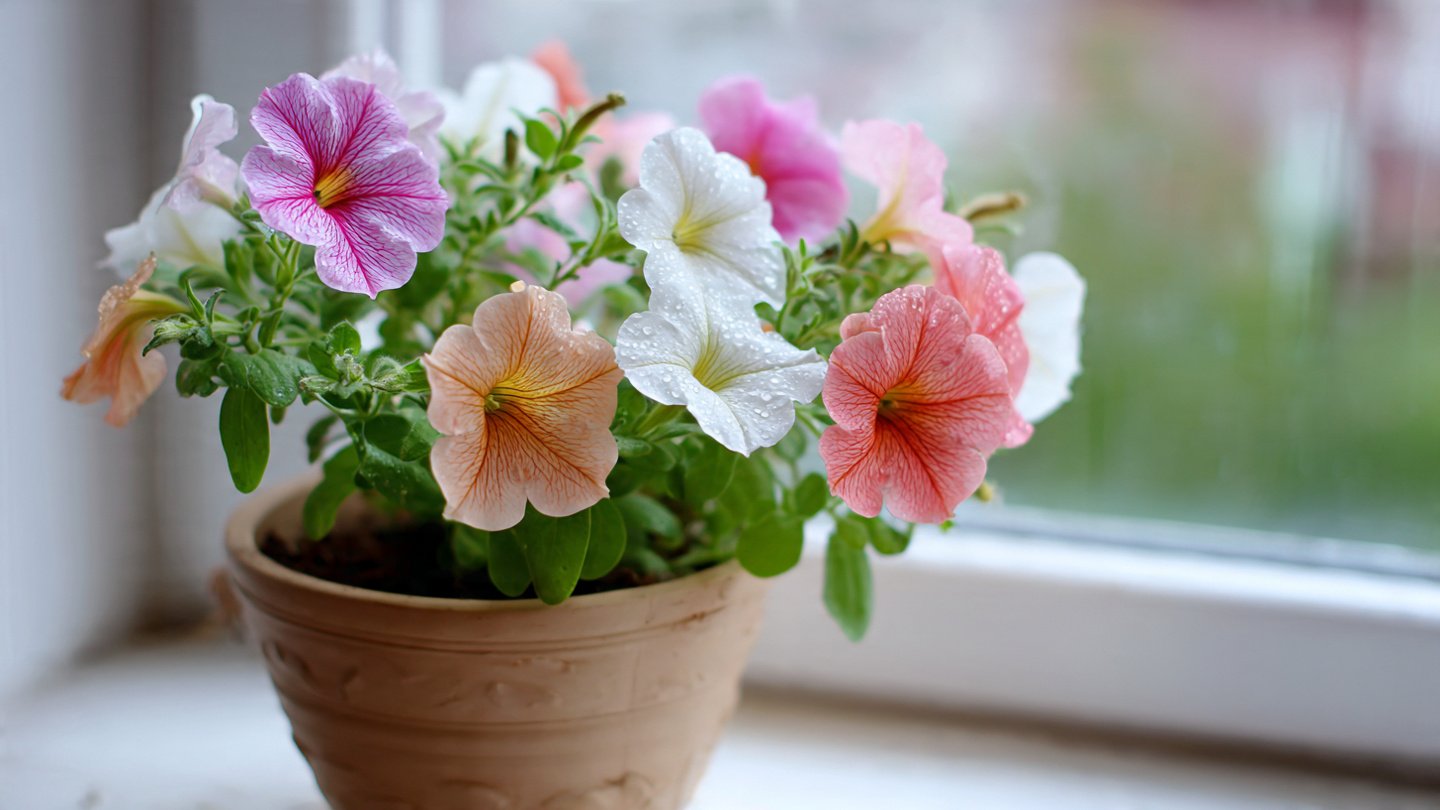
Petunias are a popular choice among flower enthusiasts for their vibrant colors, charming blooms, and delightful fragrance. These adaptable plants aren’t just confined to gardens or outdoor settings; with the right care, petunias can thrive indoors, providing beauty and adding a fresh touch to your living space. This comprehensive guide will walk you through everything you need to know about growing indoor petunias, from choosing the right variety to caring for them properly.
1. Choosing the Right Petunia Variety
While there are several types of petunias available, some are particularly well-suited for indoor cultivation. The most common varieties include:
- Grandiflora: These are known for their large flowers and wide range of colors. They bloom profusely but can be sensitive to humidity and temperature changes.
- Multiflora: These smaller flowers are more tolerant of varying conditions and are ideal for beginners. They produce numerous blooms, making them vibrant additions to any indoor setting.
- Wave Petunias: Known for their trailing nature, these are great for hanging baskets or window boxes.
When selecting your petunias, consider factors such as the amount of sunlight your indoor space receives and your own personal aesthetic preferences.
2. Preparing for Planting
2.1. Potting Soil
Petunias thrive in well-draining potting soil. Look for mixes specifically designed for flowers that include ingredients like peat moss, perlite, or vermiculite to ensure good drainage. You can also blend regular potting soil with sand to increase drainage.

2.2. Pots and Containers
Choose pots with drainage holes to prevent water from pooling at the bottom and leading to root rot. Terracotta pots are a great option, as they allow moisture to escape easily. Start with a pot that is at least 6 inches in diameter for each petunia plant.
Latest Posts
- OnePlus Turbo 6V 5G Launched – for Gamers with 9000mAh Battery, 220MP Camera & Snapdragon 8s Gen 4
- Realme GT 8 Pro Officially Launched – 200MP Camera, 7,000mAh Battery and Snapdragon 8 Elite
- OPPO K13 Turbo 5G Launched – 7,000mAh Battery, 50MP Camera and High-Performance Chipset
- Realme 17 Pro 5G Unveiled – IP69K Certified, 200MP Camera and Massive 8600mAh Battery
- Vivo Premium Smartphone Launched – 200MP Camera, 90W Fast Charging and 16GB RAM
- POCO F8 Ultra Launched – Snapdragon Flagship Power, Bose Audio and Huge Battery
- POCO F8 Ultra Launched – Snapdragon Flagship Power, Bose Audio and Huge Battery
- OnePlus Nord 3 5G Launched – 120Hz AMOLED Display, 50MP Camera and 5,000mAh Battery
- OnePlus Nord CE4 Launched – Powerful Snapdragon 7 Gen 3, 50MP Camera and Long-Lasting Battery
- OnePlus Smartphone Revealed – Premium 5G Smartphone with 200MP Camera, 24GB RAM and 100W Fast Charging
2.3. Location
Petunias require plenty of sunlight to flourish, ideally 6 to 8 hours of bright, indirect sunlight daily. A south-facing window is usually the best choice. However, if natural light is limited, consider using a grow light to supplement.
3. Starting from Seeds
3.1. Seed Selection
Choose high-quality petunia seeds from a reputable source. If you’re new to gardening, you might want to opt for seedlings as they can be easier to manage.
3.2. Sowing Seeds
- Timing: Start seeds indoors about 8-10 weeks before the last expected frost date in your area.
- Soil Preparation: Fill seed trays or pots with the prepared potting soil, leaving a small gap at the top.
- Sowing: Lightly press the seeds into the soil without covering them completely, as they need light to germinate.
- Moisture: Mist the surface with water using a spray bottle and cover the trays with plastic wrap to retain humidity.
3.3. Germination
Store the trays in a warm, bright location. Germination typically occurs within 7 to 14 days. Once the seedlings have developed their second set of true leaves, you can transplant them into larger pots.

4. Caring for Indoor Petunias
4.1. Watering
Fish petunias frequently but in moderation. The soil should remain moist but never soggy. Allow the top inch of the soil to dry out between waterings. Adjust your watering schedule based on temperature, humidity, and the size of the pot.
4.2. Fertilizing
Feed your indoor petunias every 4 to 6 weeks with a balanced, water-soluble fertilizer. Look for a fertilizer with a ratio of 10-10-10 or 20-20-20. Always dilute the fertilizer to half-strength to avoid over-fertilization, which can harm the plants.
4.3. Pruning
Regularly pinch back the tips of the petunias to encourage bushier growth. This can also help promote more blooms. If the plants start to look leggy, you can trim them back, and they should regrow nicely.
4.4. Pest Control
Keep an eye out for common pests like aphids, spider mites, and whiteflies. Use insecticidal soap or neem oil for treatment. Regular inspection helps catch infestations early before they become serious.

4.5. Disease Management
Petunias can be prone to diseases such as root rot or powdery mildew. To prevent these issues:
- Avoid overwatering.
- Ensure good air circulation by spacing the plants appropriately.
- Remove any dead leaves or debris from around the plants.
5. Transitioning Outdoors (Optional)
If you want to move your petunias outdoors after they have established, gradually acclimatize them to the outdoor conditions by placing them outside for a few hours each day and increasing the time until they can stay outside full-time. Be sure to avoid frost and extreme temperatures.
6. Enjoying Your Indoor Petunias
Once your petunias bloom, enjoy their vibrant colors and pleasant fragrance. These blooms can elevate your mood and create a beautiful indoor atmosphere. Feel free to experiment with different varieties and arrangements to find what works best for your space.
FAQs
Q1: How much light do petunias need?
A1: Petunias need 6 to 8 hours of bright, indirect sunlight daily. A south-facing window is ideal.

Q2: Can I grow petunias indoors year-round?
A2: Yes, petunias can thrive indoors year-round if they have sufficient light, care, and appropriate conditions.
Q3: How often should I water my indoor petunias?
A3: Water petunias when the top inch of soil feels dry, typically every few days, depending on your indoor environment.
Q4: What pests should I watch out for?
A4: Common pests include aphids, spider mites, and whiteflies. Regular monitoring and early treatment can prevent infestations.
Q5: How do I encourage more blooms?
A5: Regularly pinch back the tips of the plants and provide consistent care with appropriate watering and fertilization.

Q6: What should I do if my petunias become leggy?
A6: Prune them back to encourage bushier growth, and ensure they are getting enough light.
Q7: Can I reuse potting soil?
A7: If the soil is clean and free from diseases, you can reuse it after mixing in fresh potting soil. However, consider replacing it to ensure nutrients are adequate for your petunias.
Conclusion
Growing indoor petunias can be a rewarding experience that brightens your home and enhances your living space. By following this guide, beginners can successfully cultivate these beautiful flowers, enjoy their vibrant blooms, and benefit from the joy they bring. With proper care, attention, and a little patience, your indoor petunias will flourish and provide you with delightful blooms all year long!