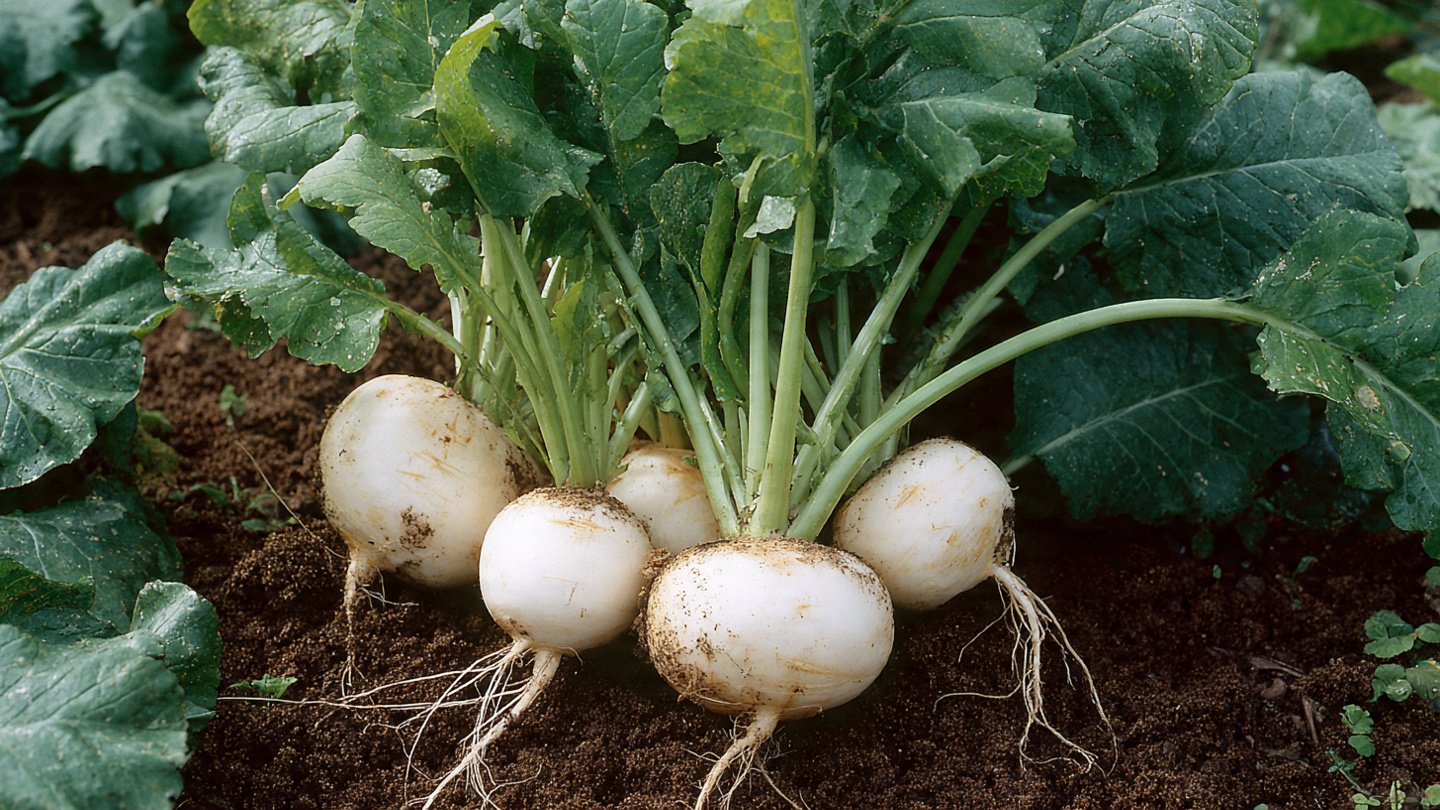
Growing your own vegetables at home can be a rewarding endeavor, and turnips are one of the most forgiving and versatile crops you can cultivate. This root vegetable, often overlooked, is rich in vitamins and nutrients, making it a great addition to your meals. In this comprehensive guide, we will walk you through the process of growing turnips at home all year round, including tips for planting, care, harvesting, and even storing turnips. Let’s dive in!
Understanding Turnips
Turnips (Brassica rapa) belong to the cruciferous family, which includes broccoli, cauliflower, and kale. They are biennial plants typically grown as annuals, producing round or bulbous roots that can range in size and color, from white to purple. Turnips are prized for their edible greens as well as their roots.
Latest Posts
- OnePlus Turbo 6V 5G Launched – for Gamers with 9000mAh Battery, 220MP Camera & Snapdragon 8s Gen 4
- Realme GT 8 Pro Officially Launched – 200MP Camera, 7,000mAh Battery and Snapdragon 8 Elite
- OPPO K13 Turbo 5G Launched – 7,000mAh Battery, 50MP Camera and High-Performance Chipset
- Realme 17 Pro 5G Unveiled – IP69K Certified, 200MP Camera and Massive 8600mAh Battery
- Vivo Premium Smartphone Launched – 200MP Camera, 90W Fast Charging and 16GB RAM
- POCO F8 Ultra Launched – Snapdragon Flagship Power, Bose Audio and Huge Battery
- POCO F8 Ultra Launched – Snapdragon Flagship Power, Bose Audio and Huge Battery
- OnePlus Nord 3 5G Launched – 120Hz AMOLED Display, 50MP Camera and 5,000mAh Battery
- OnePlus Nord CE4 Launched – Powerful Snapdragon 7 Gen 3, 50MP Camera and Long-Lasting Battery
- OnePlus Smartphone Revealed – Premium 5G Smartphone with 200MP Camera, 24GB RAM and 100W Fast Charging
Benefits of Growing Turnips
- Nutritional Value: Turnips are an excellent source of vitamins C and K, fiber, and various antioxidants.
- Versatility: They can be eaten raw, roasted, mashed, or used in soups and stews.
- Easy to Grow: Turnips thrive in various conditions and are more resilient to pests compared to other crops.
- Fast Growth: Turnips can be harvested within 30 to 60 days, making them a quick return on investment.
Growing Turnips: A Step-by-Step Guide
1. Choosing the Right Variety
There are several varieties of turnips to choose from, including:
- Purple Top White Globe: This is a popular variety known for its sweet flavor and smooth texture.
- Tokyo Cross: A delicious hybrid, this variety has a milder taste and small, round roots.
- Golden Ball: These are slightly sweeter and more fibrous, perfect for roasting.

When selecting a variety, consider your climate and intended use.
2. Preparing the Soil
Turnips thrive in well-draining, loamy soil enriched with organic matter. Here’s how to prepare your soil:
- Soil Testing: Test your soil’s pH; turnips prefer a pH between 6.0 and 7.0.
- Amendments: Add compost or well-rotted manure to enhance fertility.
- Tilling: Till the soil to a depth of at least 12 inches, breaking up any compacted areas.
3. Planting Turnips
When to Plant:
Turnips can be grown year-round, but the best planting times are early spring (March to April) or late summer (August to September) for fall and winter crops.
Seed Spacing:

- In Rows: Plant seeds 1 inch apart in rows 12 to 18 inches apart.
- Direct Sowing: Sow seeds ½ inch deep, and cover lightly with soil.
Thinning Plants:
Once seedlings emerge (after about 7 to 14 days), thin them to 3 to 6 inches apart to allow enough room for growth.
4. Watering and Fertilizing
Turnips require consistent moisture, especially during their rapid growth phase. Here’s how to maintain optimal conditions:
- Watering: Water deeply once a week, increasing frequency during hot weather. Ensure soil is moisture-retentive but not waterlogged.
- Fertilizing: Apply a balanced fertilizer once seedlings are established and again mid-way through growth. Use organic fertilizers like fish emulsion or seaweed extract for best results.
5. Pest and Disease Management
Turnips are relatively resistant to pests, but some common issues to watch for include:
- Aphids: These small insects can infest turnip plants. Use insecticidal soap or neem oil to manage populations.
- Flea Beetles: These tiny black beetles leave small holes in foliage. Row covers can help protect young plants.
- Downy Mildew: Fungal diseases can occur in humid conditions. Ensure good airflow and avoid overhead watering.

6. Harvesting Turnips
Timing:
Turnips can be harvested when they reach 2 to 4 inches in diameter, typically between 30 and 60 days post-planting. Larger turnips may become woody and less flavorful.
How to Harvest:
- Root Removal: Gently pull turnips from the soil, taking care not to damage them. Use a garden fork if necessary.
- Greens: Turnip greens can also be harvested at any time; cut the leaves at the base to encourage new growth.
7. Storing Turnips
To ensure your turnips last, follow these steps:
- Cooling: Store harvested turnips in a cool, dark place with good airflow.
- Moisture: Keep them in a perforated plastic bag or wrapped in a damp cloth in the refrigerator, which helps retain moisture.
- Duration: Properly stored turnips can last for several weeks to months.

Growing Turnips Indoors
For those who face harsh winters, you can still enjoy homegrown turnips by growing them indoors.
Steps for Indoor Growth:
- Container Selection: Use containers that are at least 10 inches deep and have adequate drainage holes.
- Soil: Use a high-quality potting mix enriched with compost.
- Light: Place your containers in a sunny spot or under grow lights, ensuring they receive 12-14 hours of light per day.
- Watering and Care: Follow the same watering, fertilizing, and pest management tips as outdoor turnips.
FAQs
1. How often do I need to water turnips?
Water turnips deeply about once a week, increasing frequency during dry spells.
2. Can turnips grow in containers?
Yes, turnips can be successfully grown in containers as long as they have enough depth (at least 10 inches).
3. What temperature do turnips prefer?

Turnips thrive in cooler temperatures, ideally between 50°F to 70°F. They can tolerate light frosts, making them suitable for fall crops.
4. Are turnips easy to grow for beginners?
Yes, turnips are among the easiest vegetables to grow, requiring minimal care and being resistant to many pests and diseases.
5. Can I eat turnip greens?
Absolutely! Turnip greens are edible and highly nutritious. They can be sautéed, used in salads, or added to soups.
6. Do I need to thin turnip seedlings?
Yes, thinning is essential to ensure that the remaining plants have enough space to grow properly, enhancing their size and flavor.
Conclusion
Growing turnips at home can be a gratifying experience, providing you with fresh, nutritious vegetables year-round. By following this guide, from planting to harvesting, you can master the art of turnip cultivation. Whether you’re a seasoned gardener or a beginner, turnips offer a rewarding way to enjoy homegrown produce. Happy gardening!