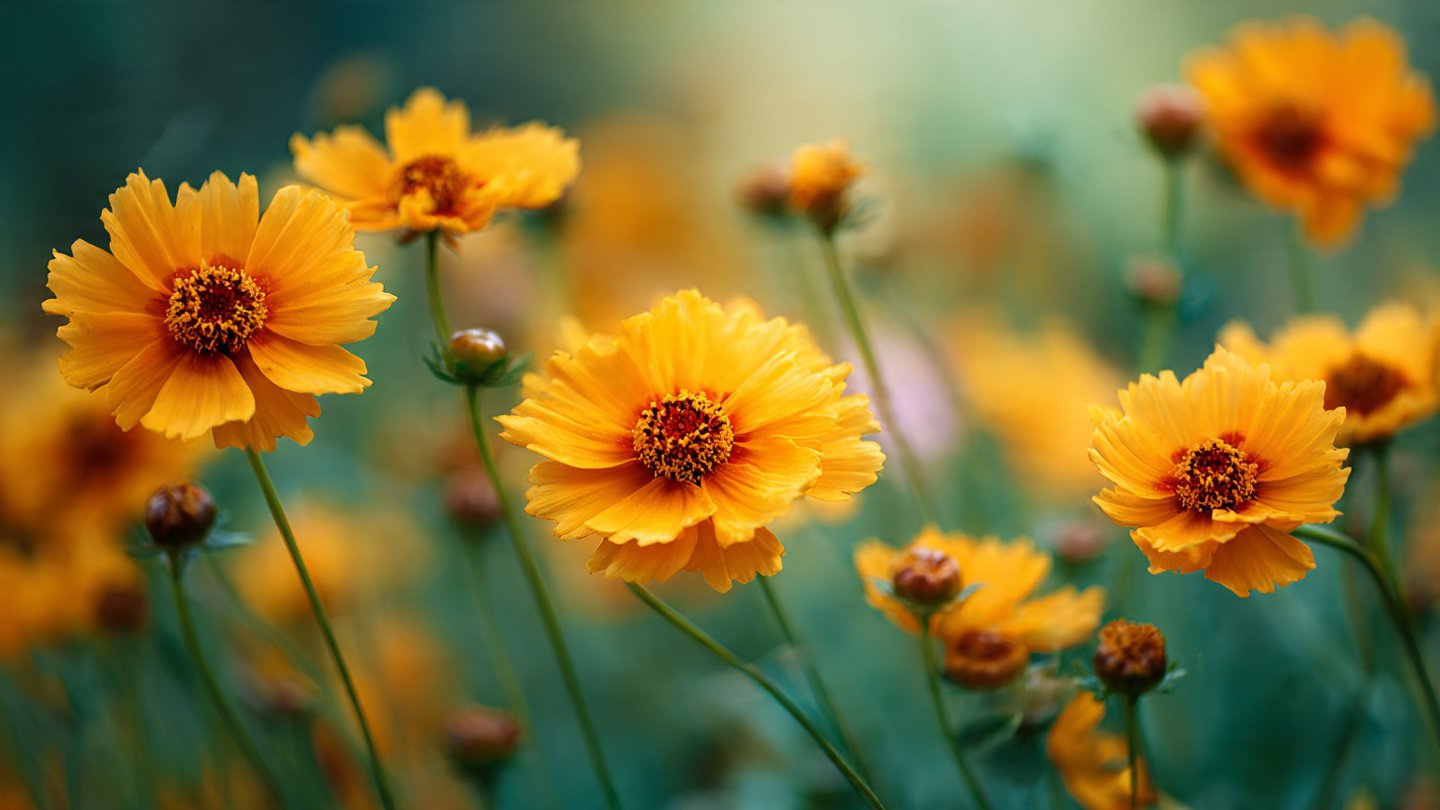
Coreopsis flowers, often referred to as tickseed, are perennial plants beloved for their cheerful blooms and low maintenance needs. Their bright yellow and gold flowers brighten up gardens and attract butterflies, all while being drought resistant, making them a great choice for eco-friendly gardening. If you’re looking to add these beautiful plants to your garden naturally, follow these simple steps for successful growth.
1. Choosing the Right Variety of Coreopsis
Before planting, consider which variety of coreopsis will best suit your garden’s conditions. Popular varieties include:
Latest Posts
- OnePlus Turbo 6V 5G Launched – for Gamers with 9000mAh Battery, 220MP Camera & Snapdragon 8s Gen 4
- Realme GT 8 Pro Officially Launched – 200MP Camera, 7,000mAh Battery and Snapdragon 8 Elite
- OPPO K13 Turbo 5G Launched – 7,000mAh Battery, 50MP Camera and High-Performance Chipset
- Realme 17 Pro 5G Unveiled – IP69K Certified, 200MP Camera and Massive 8600mAh Battery
- Vivo Premium Smartphone Launched – 200MP Camera, 90W Fast Charging and 16GB RAM
- POCO F8 Ultra Launched – Snapdragon Flagship Power, Bose Audio and Huge Battery
- POCO F8 Ultra Launched – Snapdragon Flagship Power, Bose Audio and Huge Battery
- OnePlus Nord 3 5G Launched – 120Hz AMOLED Display, 50MP Camera and 5,000mAh Battery
- OnePlus Nord CE4 Launched – Powerful Snapdragon 7 Gen 3, 50MP Camera and Long-Lasting Battery
- OnePlus Smartphone Revealed – Premium 5G Smartphone with 200MP Camera, 24GB RAM and 100W Fast Charging
- Coreopsis tinctoria (Plains Coreopsis): This annual produces striking yellow and maroon blooms and is excellent for wildflower gardens.
- Coreopsis grandiflora (Large-flowered Coreopsis): Known for its large, golden flowers, this perennial is great for borders and beds.
- Coreopsis verticillata (Threadleaf Coreopsis): This variety has fine foliage and features numerous small yellow flowers, making it ideal for a more delicate look.
Evaluate your climate, soil type, and garden design to choose the right variety.
2. Selecting a Planting Site
Coreopsis flowers thrive in full sun to partial shade. Here are some tips for selecting the best location:
- Sunlight: Ideally, choose a spot that receives at least 6-8 hours of sunlight daily. If planted in partial shade, you may see fewer blooms.
- Soil Quality: Coreopsis prefers well-draining soil. Sandy loam or loamy soil rich in organic matter is ideal. If your soil is compacted or clay-heavy, consider amending it with compost.

3. Preparing the Soil
Preparing your soil before planting is crucial for promoting healthy growth:
-
Test the pH: Coreopsis flourishes in soil with a pH between 6.0 and 7.0. You can use a home soil test kit to determine pH levels.
-
Amend the Soil: If the soil is too acidic or alkaline, amend it accordingly. Adding lime will raise pH, while sulfur can lower it. Additionally, enrich your soil with organic compost or well-rotted manure to improve fertility and drainage.
-
Loosen the Soil: Use a garden fork or tiller to loosen soil to a depth of at least 12 inches. This encourages root growth and improves drainage.
4. Planting Coreopsis
Once the soil is prepared, it’s time to plant:
-
Seeds vs. Transplants: Decide whether to plant seeds or young plants. Seeds can be sown directly outdoors in spring after the last frost, while transplants can be started indoors 6-8 weeks before the last frost and planted outdoors once seedlings are hardened off.
-
Spacing: Space seeds or plants about 12-18 inches apart to allow for their mature size and to promote airflow.
-
Planting Depth: If sowing seeds, plant them about 1/4 inch deep. For transplants, dig holes twice as wide and the same depth as the root ball.
-
Watering: After planting, water the area thoroughly to settle the soil around the roots. Be cautious not to oversaturate the area.

5. Watering Practices
Coreopsis is drought-tolerant, but consistent watering is vital, especially during their initial growth phase:
- Establishment Period: Water newly planted coreopsis regularly, allowing the soil to dry out between waterings.
- Established Plants: Once established, coreopsis can tolerate periods without water. However, during prolonged dry spells, a deep watering once every couple of weeks can promote continued blooming.
6. Fertilization
Coreopsis doesn’t require heavy fertilization, and excessive nutrients can lead to leggy growth. Here’s how to fertilize properly:

- Use Organic Fertilizers: A balanced, slow-release organic fertilizer can be applied in early spring when new growth begins.
- Mid-Season Boost: Consider a second light application during mid-summer if the plants seem sluggish.
7. Pruning and Deadheading
Pruning is essential for maintaining the health and appearance of your coreopsis:
- Deadheading: Regularly remove spent blooms to encourage new growth and prolong the flowering period.
- Pruning: In late fall or early spring, cut back any dead or damaged foliage. This promotes new growth and prevents disease.
8. Pest and Disease Management
Coreopsis is generally pest-resistant; however, keep an eye out for common issues:
- Pests: Watch for aphids and spider mites. Generally, these can be managed by hosing them off or using insecticidal soap.
- Diseases: Coreopsis is susceptible to root rot and powdery mildew, especially in overly moist conditions. Ensure good air circulation and avoid overhead watering to minimize these risks.

9. Winter Care
Preparing coreopsis for winter is essential in maintaining their longevity:
- Cut Back: After the first frost, cut back the dead stems to about 6 inches above the ground. This helps prevent disease and prepares the plant for winter dormancy.
- Mulching: Apply a layer of mulch around the plants to insulate the roots, retain moisture, and suppress weeds.
10. Companion Planting
Consider planting coreopsis alongside other perennials that thrive in similar conditions. Good companions include:
- Echinacea (Coneflowers): These also attract pollinators and complement coreopsis blooms beautifully.
- Rudbeckia (Black-eyed Susans): Both plants have a similar flowering season and a vibrant color palette.
FAQs
Q1: How long do coreopsis flowers bloom?
A1: Coreopsis typically blooms from late spring to early fall, providing a long flowering period. Regular deadheading can encourage even more blooms throughout the season.
Q2: Are coreopsis flowers deer-resistant?
A2: Yes, coreopsis flowers are generally deer-resistant due to their somewhat bitter taste. However, hungry deer may still eat them if food is scarce.

Q3: Can coreopsis be grown in containers?
A3: Yes, many varieties of coreopsis can be grown in containers, provided there is adequate drainage and sunlight.
Q4: Do coreopsis flowers attract pollinators?
A4: Absolutely! Coreopsis is known to attract various pollinators, including bees and butterflies, which can benefit your overall garden ecosystem.
Q5: Are coreopsis flowers invasive?
A5: Most coreopsis varieties are not invasive but check local regulations as some types may spread more aggressively in certain regions.
Q6: How can I differentiate between coreopsis types?
A6: Different coreopsis species can be identified by their flowers’ size, color, and leaf shape. Observing these characteristics can help you choose the right varieties.
Q7: When is the best time to plant coreopsis?
A7: The best time to plant coreopsis is in the spring after the last frost, or in the fall, depending on your climate zone.
Conclusion
Growing coreopsis flowers in your garden naturally is a rewarding experience that adds beauty and attracts pollinators. By following these simple steps, from selecting the right variety and preparing your soil to maintaining and caring for your plants, you’ll be well on your way to enjoying vibrant blooms in your garden. Happy gardening!