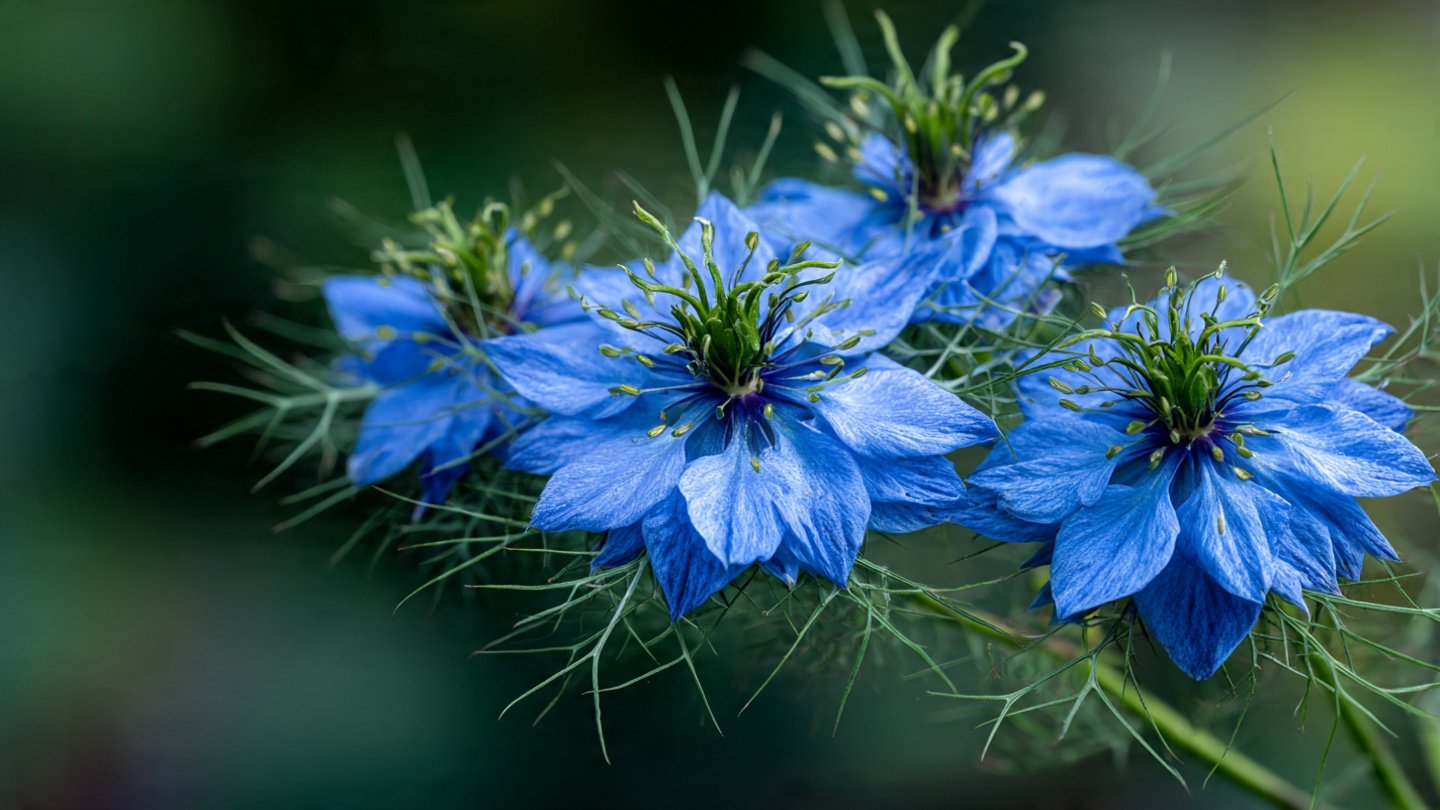
Nigella damascena, commonly known as Love-in-a-Mist, is an exquisite annual flowering plant known for its lush foliage and charming blue or white blooms. This delightful plant has gained popularity among gardeners for its unique beauty and easy-care nature. In this guide, we’ll explore how to grow, care for, and propagate Love-in-a-Mist, ensuring your garden has a touch of ethereal elegance.
Table of Contents
- OnePlus Turbo 6V 5G Launched – for Gamers with 9000mAh Battery, 220MP Camera & Snapdragon 8s Gen 4
- Realme GT 8 Pro Officially Launched – 200MP Camera, 7,000mAh Battery and Snapdragon 8 Elite
- OPPO K13 Turbo 5G Launched – 7,000mAh Battery, 50MP Camera and High-Performance Chipset
- Realme 17 Pro 5G Unveiled – IP69K Certified, 200MP Camera and Massive 8600mAh Battery
- Vivo Premium Smartphone Launched – 200MP Camera, 90W Fast Charging and 16GB RAM
- POCO F8 Ultra Launched – Snapdragon Flagship Power, Bose Audio and Huge Battery
- POCO F8 Ultra Launched – Snapdragon Flagship Power, Bose Audio and Huge Battery
- OnePlus Nord 3 5G Launched – 120Hz AMOLED Display, 50MP Camera and 5,000mAh Battery
- OnePlus Nord CE4 Launched – Powerful Snapdragon 7 Gen 3, 50MP Camera and Long-Lasting Battery
- OnePlus Smartphone Revealed – Premium 5G Smartphone with 200MP Camera, 24GB RAM and 100W Fast Charging
- Understanding Love-in-a-Mist
- 1.1 Origins and Characteristics
- 1.2 Varieties to Explore
- Choosing the Right Location
- 2.1 Light Requirements
- 2.2 Soil Conditions
- Planting Love-in-a-Mist
- 3.1 When to Plant
- 3.2 Sowing Seeds
- Caring for Love-in-a-Mist
- 4.1 Watering
- 4.2 Fertilizing
- 4.3 Pruning and Deadheading
- Pest and Disease Management
- Harvesting Seeds
- Propagation Methods
- FAQs
Latest Posts

1. Understanding Love-in-a-Mist
1.1 Origins and Characteristics
Love-in-a-Mist is native to Europe and North Africa. It gets its whimsical name from the delicate, mist-like foliage that surrounds its flowers, creating a stunning contrast. The plant typically reaches heights of 1 to 2 feet, making it an ideal candidate for borders, containers, and cottage gardens. The flowers are usually blue, white, or pink and have an intricate, star-like shape.
1.2 Varieties to Explore
Several cultivars of Love-in-a-Mist are available, including:
- ‘Miss Jekyll’: Features pale blue flowers.
- ‘Black Seeded’: Known for its striking black seeds and blue flowers.
- ‘Album’: Offers pure white blooms.
Experimenting with different varieties can add visual interest to your garden.
2. Choosing the Right Location
2.1 Light Requirements
Love-in-a-Mist thrives in full sun to partial shade. Ideally, it should receive at least 6 hours of sunlight daily. If planted in shade, the plants may become leggy and produce fewer blooms.

2.2 Soil Conditions
The plant prefers well-draining soil rich in organic matter. A slightly alkaline to neutral pH (6.0 to 7.0) is ideal for optimal growth. Heavy, clay soils may hinder drainage; therefore, amending the soil with compost or sand can enhance its texture.
3. Planting Love-in-a-Mist
3.1 When to Plant
Love-in-a-Mist can be planted in both spring and fall. For spring planting, sow seeds indoors 4 to 6 weeks before the last frost date, or directly sow them outdoors after the danger of frost has passed. For fall planting, sow seeds about 6 to 8 weeks before the first expected frost.
3.2 Sowing Seeds
To sow seeds:
-
Prepare the Soil: Loosen the soil, removing any debris or weeds. Mix in compost for added nutrients.
-
Sow Seeds: Scatter the seeds on the soil surface, giving them enough space to grow (about 6 to 8 inches apart). Lightly cover with soil, as they require light for germination.
-
Watering: Water gently to avoid displacing the seeds. Keep the soil consistently moist but not soggy.
4. Caring for Love-in-a-Mist

4.1 Watering
While Love-in-a-Mist is relatively drought-tolerant, consistent watering is essential, especially during dry spells. Water the plants at the base to avoid wetting the leaves, which can lead to fungal issues.
4.2 Fertilizing
Fertilize Love-in-a-Mist once a month with a balanced, all-purpose fertilizer during the growing season. Over-fertilizing can lead to lush foliage at the expense of flowers.
4.3 Pruning and Deadheading
To encourage prolonged blooming, pinch off spent flowers. If the foliage becomes too dense, lightly trim to maintain airflow around the plants, reducing mildew risks.
5. Pest and Disease Management
Love-in-a-Mist is generally resistant to pests and diseases. However, keep an eye out for aphids and spider mites. The use of insecticidal soap or neem oil can effectively manage these pests.
Fungal diseases like powdery mildew can occur, especially in humid conditions. Ensuring proper spacing between plants and good air circulation can help prevent this issue.
6. Harvesting Seeds
Love-in-a-Mist is easy to propagate from seeds. Once the flowers have faded, allow the seed pods to mature and dry on the plant. When the pods turn brown and start to split, collect them to save the seeds. Store them in a cool, dry place for later planting.
7. Propagation Methods
While seed propagation is the most common method, you can also propagate Love-in-a-Mist through division:

- Timing: Best done in the spring or fall.
- Method: Carefully dig up the plant’s root ball, divide it into several sections, and replant them immediately.
This method ensures new plants maintain the characteristics of the parent plant.
8. FAQs
Q1: How long does it take for Nigella Love-in-a-Mist to bloom?
A: The plants typically bloom 12 to 14 weeks after sowing seeds.
Q2: Is Love-in-a-Mist deer-resistant?
A: Yes, Love-in-a-Mist is considered deer-resistant due to its aromatic foliage.
Q3: Can Love-in-a-Mist be grown in containers?
A: Absolutely! Ensure the container has drainage holes, and use a quality potting mix.
Q4: How do I keep Love-in-a-Mist from spreading?
A: If you want to minimize self-seeding, remove spent flowers before they produce seeds.

Q5: Is Love-in-a-Mist toxic to pets?
A: While Love-in-a-Mist is not known to be toxic to pets, it’s always a good idea to keep an eye on plants around them.
Q6: What is the best time to deadhead Love-in-a-Mist?
A: Deadheading should be done regularly during the blooming period to encourage new flowers.
Q7: Can I grow Nigella Love-in-a-Mist indoors?
A: Yes, you can grow them indoors with adequate light. Use a grow light if necessary.
Q8: How should I winterize Love-in-a-Mist?
A: Being an annual, Love-in-a-Mist will not survive frost. However, you can collect and store seeds for the next planting season.
Conclusion
Cultivating Nigella Love-in-a-Mist can bring charm and personality to your garden with minimal effort. By following this simple guide, you can enjoy their lovely blooms and lush foliage while adding a touch of elegance to your outdoor space. Whether you choose to sow seeds, propagate from divisions, or simply enjoy what they bring to your garden, Love-in-a-Mist is sure to become a favorite!