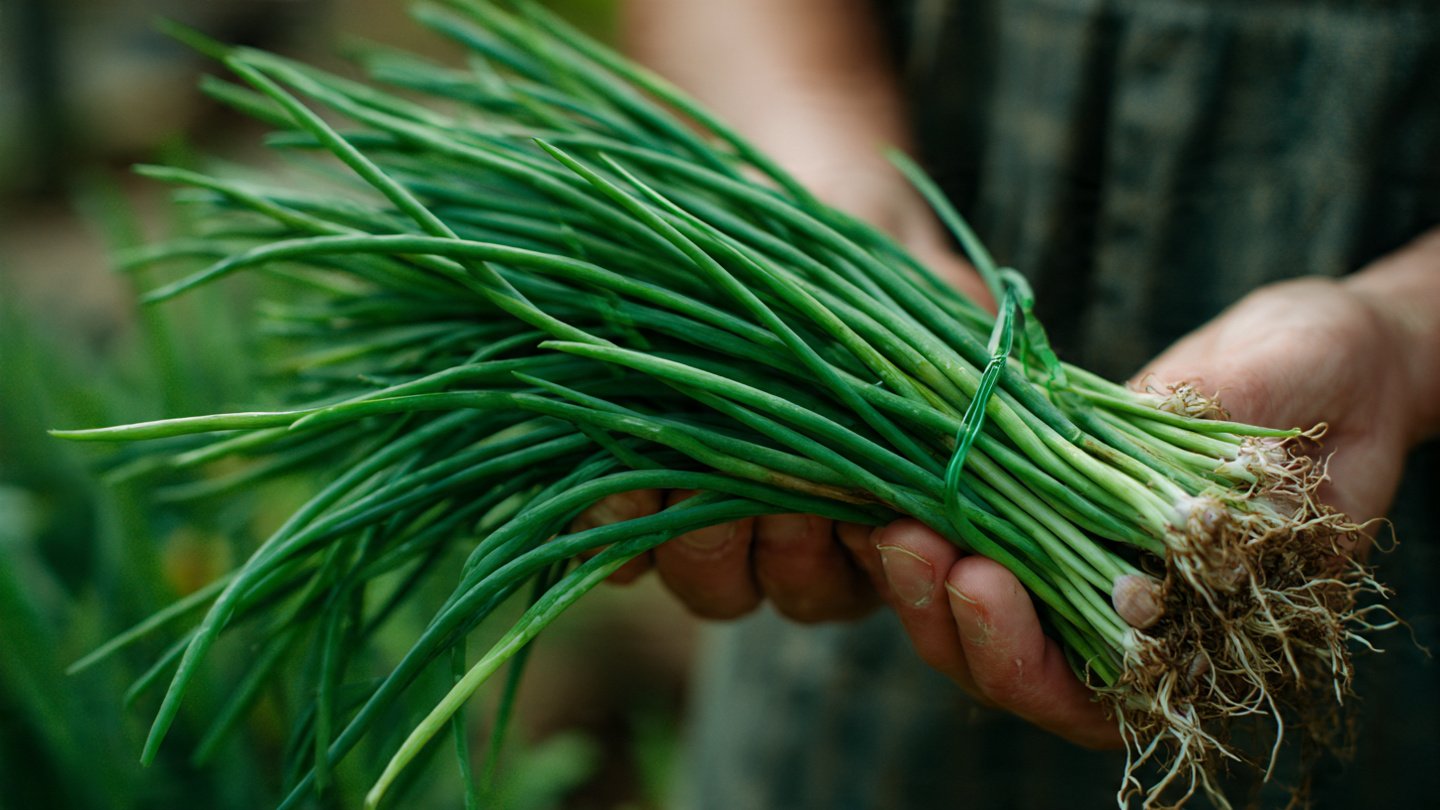
Garlic chives (Allium tuberosum), also known as Chinese chives or Chinese leeks, are a versatile and flavorful herb that often finds its place in various culinary dishes. With their mild garlic flavor, they can enhance salads, stir-fries, and even soups. For beginner gardeners, growing garlic chives at home can be a rewarding endeavor. This guide will walk you through everything you need to know about cultivating garlic chives, from choosing the right environment to harvesting.
Understanding Garlic Chives
Garlic chives are a perennial herb that is native to Asia but can thrive in many temperate regions across the globe. Unlike regular chives, which have a mild onion flavor, garlic chives possess a distinct garlic flavor. They produce flat, grass-like leaves and small, white, star-shaped flowers that bloom in summer, contributing not only culinary value but also aesthetic charm to your garden.
Latest Posts
- OnePlus Turbo 6V 5G Launched – for Gamers with 9000mAh Battery, 220MP Camera & Snapdragon 8s Gen 4
- Realme GT 8 Pro Officially Launched – 200MP Camera, 7,000mAh Battery and Snapdragon 8 Elite
- OPPO K13 Turbo 5G Launched – 7,000mAh Battery, 50MP Camera and High-Performance Chipset
- Realme 17 Pro 5G Unveiled – IP69K Certified, 200MP Camera and Massive 8600mAh Battery
- Vivo Premium Smartphone Launched – 200MP Camera, 90W Fast Charging and 16GB RAM
- POCO F8 Ultra Launched – Snapdragon Flagship Power, Bose Audio and Huge Battery
- POCO F8 Ultra Launched – Snapdragon Flagship Power, Bose Audio and Huge Battery
- OnePlus Nord 3 5G Launched – 120Hz AMOLED Display, 50MP Camera and 5,000mAh Battery
- OnePlus Nord CE4 Launched – Powerful Snapdragon 7 Gen 3, 50MP Camera and Long-Lasting Battery
- OnePlus Smartphone Revealed – Premium 5G Smartphone with 200MP Camera, 24GB RAM and 100W Fast Charging
Growing Conditions
1. Climate and Location
Garlic chives prefer a temperate climate but can tolerate a range of conditions. They do best in USDA Hardiness Zones 3 to 9. When selecting a location, aim for a spot that receives full sun (at least 6 hours daily) but can also tolerate partial shade.
2. Soil Requirements
Garlic chives thrive in well-draining soil rich in organic matter. Ideally, the soil pH should be between 6.0 and 7.0. You can improve soil quality by adding compost or well-rotted manure before planting, enhancing both drainage and nutrient levels.
How to Grow Garlic Chives
1. Starting from Seeds vs. Transplants
-
Seeds: Growing garlic chives from seeds is straightforward but requires patience. Seeds can be sown indoors 8 to 10 weeks before the last frost or directly in the garden after the danger of frost has passed.

-
Transplants: If you’re eager to start harvesting sooner, consider purchasing transplants from a garden center. This method eliminates the waiting time for germination.
2. Sowing Seeds
To sow seeds:
- Prepare the soil bed by loosening the top 12 inches of soil and mixing in organic matter.
- Sow seeds either indoors in seed trays or directly in the garden. If sowing indoors, cover the seeds lightly with soil and provide a heat source to encourage germination.
- Water gently but thoroughly, keeping the soil moist but not waterlogged.
3. Planting Transplants
If using transplants:
- Space them approximately 12 inches apart to allow for growth.
- Dig holes deep enough to accommodate the roots, gently placing the plant in the hole and covering it with soil. Water thoroughly after planting.
Caring for Garlic Chives

1. Watering
Garlic chives require consistent moisture, especially during dry spells. Watering them once a week should suffice, but adjust based on your local climate conditions. Be cautious not to overwater, as this can lead to root rot.
2. Fertilizing
A balanced fertilizer can be applied once or twice during the growing season to boost growth. A 10-10-10 NPK fertilizer is often suitable. Follow the manufacturer’s instructions for dosing; typically, a light application around the base of the plants is sufficient.
3. Mulching
Adding a layer of organic mulch around your garlic chives helps retain moisture, suppress weeds, and maintain soil temperature. Straw, shredded leaves, or grass clippings can be effective mulch materials.
4. Pest and Disease Management
Garlic chives are relatively hardy but can be susceptible to pests like aphids and spider mites. Regularly inspect the plants and remove any affected leaves. In severe cases, insecticidal soap can be used as an organic pest control method.
Harvesting Garlic Chives
Garlic chives can be harvested throughout the growing season. As a general rule, you can begin harvesting about 60 days after planting. Follow these guidelines for an optimal harvest:
- Cutting Leaves: Use scissors or garden shears to cut leaves just above the ground level. Leave the center leaves intact to encourage new growth.
- Flowering: While the flowers are edible and can be used as a garnish, removing them promotes further leaf production. If you don’t mind some flowers, allow a few to bloom for aesthetic appeal.

Culinary Uses
Garlic chives are a fantastic addition to many dishes. Their mild garlic flavor works well in:
- Salads: Use fresh garlic chives to enhance your salads.
- Stir-fries: Add chopped chives at the end of cooking for a burst of flavor.
- Soups: Sprinkle them on top of soups for added freshness.
- Pesto: Incorporate them into a homemade pesto for a garlicky twist.
Winterizing Garlic Chives
In colder climates, garlic chives may die back in winter but will often return in spring. To protect them:
- Apply a thick layer of mulch over the soil to insulate the roots.
- In extreme cold, consider covering them with a frost blanket.
Tips for Success
- Companion Planting: Garlic chives can repel some pests, making them a great companion for vegetables like carrots and tomatoes.
- Regular Trimming: Regularly trimming back the leaves encourages bushier growth and keeps the plants healthy.

Common Issues
-
Leggy Growth: If garlic chives aren’t getting enough sunlight, they may grow tall and spindly. Ensure they receive adequate sunlight.
-
Yellowing Leaves: This may indicate overwatering or nutrient deficiency. Check soil drainage and consider fertilizing.
-
Poor Flavor: Plants grown in too much shade may lack flavor. Ensure your garlic chives receive enough sun exposure.
FAQs
1. How often should I water garlic chives?
Water garlic chives once a week, or more frequently during hot, dry spells, but avoid making the soil soggy.
2. Do garlic chives spread?

Garlic chives can spread through seeds and may self-seed in your garden. Regular harvesting will prevent excessive spreading.
3. Can I grow garlic chives indoors?
Yes, garlic chives can be grown indoors in pots with sufficient sunlight. Choose a south-facing window for optimal growth.
4. How can I store garlic chives after harvesting?
Store harvested garlic chives in the refrigerator wrapped in a damp paper towel in a plastic bag. They can also be frozen, chopped and placed in ice cube trays with water.
5. Are garlic chives Frost-tolerant?
Garlic chives are moderately frost-tolerant. They can survive light frosts but may die back in harsh winter conditions, returning in spring.
Conclusion
Growing garlic chives at home is an enjoyable and rewarding experience for beginner gardeners. With their delightful flavor and easy care requirements, garlic chives can add both culinary and aesthetic value to your garden. By following this guide and addressing any concerns you encounter, you’ll be well on your way to enjoying your very own harvest of this versatile herb! So gather your tools, choose your location, and begin your journey to a thriving garlic chive garden today!